Waymo and Uber Robotaxi Partnership Ending in Austin and Atlanta as Uber Targets 2,000 Robotaxis by 2027
Waymo will end its Uber exclusivity in Austin and Atlanta and launch its own app in January 2028. Here's what changes and when, why the Waymo-Uber partnership broke down, Uber's plan for 2,000+ robotaxis, and what it means for Tesla.
Photo: Waymo
The biggest partnership in the US robotaxi business is coming apart. Waymo is ending its exclusive arrangement with Uber in Austin and Atlanta, and starting in January 2028 it will sell rides in both cities through its own Waymo app, putting it in direct competition with the company that has been its only storefront there.
The news broke the same week Uber laid out its own plan to stop depending on Waymo: about 700 fully driverless vehicles on its network by the end of 2026 and more than 2,000 in 2027, supplied by a long list of other self-driving partners. Here's what is ending, when, why, and what it means for Uber, Waymo and Tesla's Robotaxi.
Jan 2028
Waymo's own app launches in Austin and Atlanta
500K+
Paid Waymo driverless rides per week
~700
Driverless cars Uber expects on its app by end of 2026
2,000+
Uber's robotaxi target for 2027
What Is Ending Between Waymo and Uber, and When?
Today, the only way to ride a driverless Waymo in Austin or Atlanta is through the Uber app. That exclusivity is what ends. Waymo co-CEO Tekedra Mawakana confirmed the plan to Bloomberg on Wednesday, November 4, and an Uber spokesperson confirmed that Waymo had given notice.
The change is not immediate, and it is not a clean break on day one:
January 2028: Waymo launches its own app in Austin and Atlanta. According to Uber's spokesperson, that service will run "alongside their existing deployment with Uber."
At least May 2028: The existing contract keeps Waymo's current fleet on the Uber app until at least then, according to The Next Web's reporting on the deal.
After that: Neither company has said whether Waymos will stay on Uber at all. The Financial Times has reported that Waymo explored leaving the partnership entirely.
Riders in both cities won't notice a change for more than a year. Once Waymo's app goes live, they will be able to book a Waymo directly, as riders already do in Phoenix, San Francisco, Los Angeles and most of Waymo's other markets. Waymo had already ended a more limited Uber arrangement in Phoenix.
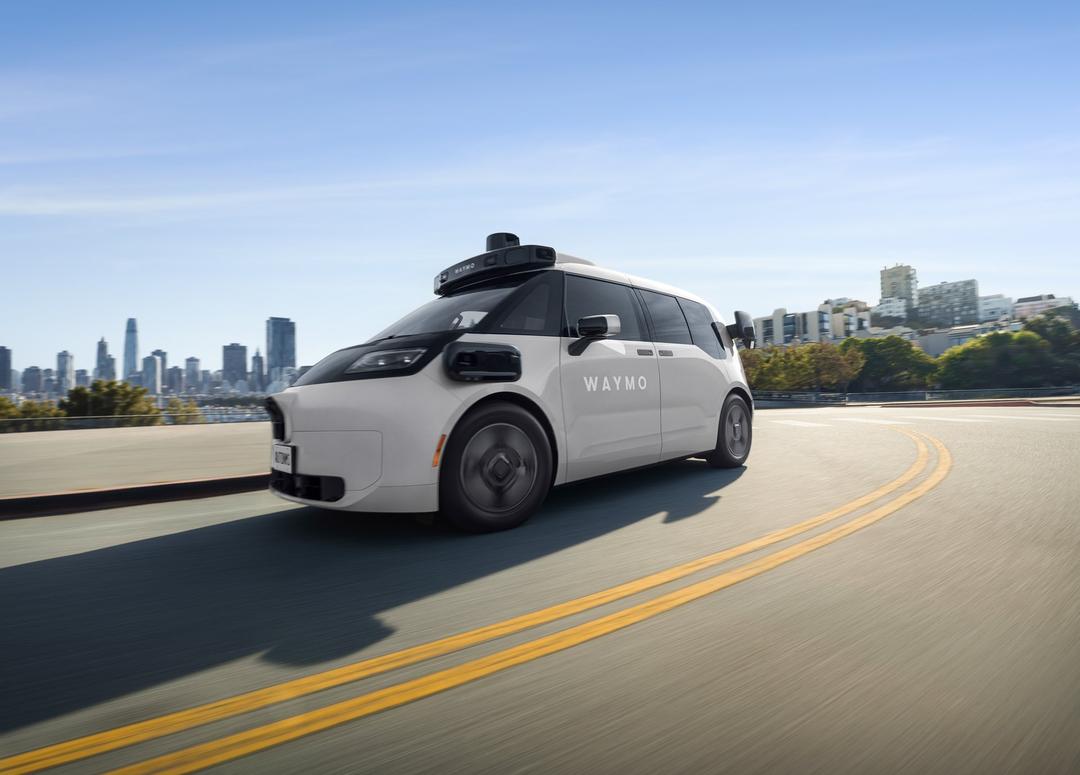
Waymo's next-generation, purpose-built robotaxi. The company is scaling its fleet and its own app while pulling back from Uber. Photo: Waymo
Why Waymo Is Walking Away From Uber
Waymo's reasoning comes down to control of the rider experience. On Uber, turning on autonomous rides in the app's settings never guaranteed a driverless car. Uber matches riders based on which vehicles are nearby, so many customers who wanted a Waymo got a human driver instead.
"In the early days, we would partner because we didn't have the scale." — Waymo co-CEO Tekedra Mawakana, to Bloomberg
Mawakana told Bloomberg that the partnership was "a little bit of a crapshoot" for riders, who couldn't count on which kind of car would show up. Uber reportedly offered a dedicated robotaxi ride option to fix that. Waymo reportedly said no.
Uber's side of the story is different. Bloomberg reported that Uber pointed to economics it considered unsustainable, safety problems and Waymo not being forthcoming about incidents. Those incidents include Waymos illegally passing school buses in Austin, which Uber said it learned about from media reports, and dozens of empty Waymos circling a cul-de-sac in Atlanta in May. Waymo blamed the Atlanta episode on Uber's routing.
Investors took the news hard. Uber shares fell more than 4% to close below $66, their lowest level in more than a year.
Advertisement
Waymo's Own App Keeps Growing
Waymo no longer needs Uber's customer base the way it did when the deal was signed. It now completes more than 500,000 paid driverless trips a week across 15 US cities and plans to add more than a dozen more in the coming months. Since launching on Uber in Atlanta, Waymo hasn't opened a single new Uber city. Its expansion into six more markets since then has gone through its own app.
InsideEVs puts Waymo's fleet at about 4,000 robotaxis. Semafor has reported Waymo is aiming for 8,000 by the end of this year and 20,000 by the end of 2027. In Nashville, Waymo works with Lyft, but that deal is not exclusive, and Waymo also runs its own app there.
Advertisement
Uber's Plan: 2,000 Robotaxis by 2027 Without Waymo
Uber's third-quarter results, released November 4, put its target in writing: about 700 fully driverless vehicles on Uber by year-end and over 2,000 in 2027. CEO Dara Khosrowshahi said the company's "focus on autonomous is now on commercial execution." InsideEVs reports Uber plans to spend about $10 billion on the effort, with roughly half of the 2,000 vehicles in the US and the rest in Europe, Asia and the Middle East, across about 20 cities.
Uber partner
Role
Plan
Lucid and Nuro
Lucid Gravity SUVs with Nuro self-driving tech
Testing in the San Francisco Bay Area; Houston planned for mid-2027; Uber has committed to buy 35,000 vehicles
Rivian
R2-based robotaxis
Up to 50,000 vehicles in a deal worth up to $1.25 billion; first 10,000 in 2028, starting in San Francisco and Miami
Wayve
Self-driving software
Running a robotaxi service with Uber in London
Others
Avride, May Mobility, Momenta, Zoox, Motional
Various US and international launches
Uber says its partners have committed to put 120,000 robotaxis on its platform "in the coming years," with no firm timeline. It says it will fund the near-term fleet from its own earnings and may bring in outside capital once its self-driving fleet tops 10,000 vehicles.
The scale gap: Uber's target of 2,000 robotaxis by the end of 2027 is half of what Waymo runs today and a tenth of Waymo's own 2027 goal. Several of Uber's partners won't have cars carrying paying riders until late this year or later, and the Lucid-Nuro launch has been reported to be slipping into 2027.
What It Means for Tesla Robotaxi
The split shows that the companies making robotaxis would rather own the customer than rent space in someone else's app. That is the approach Tesla took from the start. Tesla builds the car, writes the self-driving software and runs its own Robotaxi app, with no ride-hailing partner in between. It has been expanding city by city across Texas, most recently with its Fort Worth Robotaxi launch on November 2.
Waymo is now moving toward the same model: its own cars, its own software, its own app. Uber is going the other way, betting it can be the single app that offers everyone else's robotaxis. That leaves the US market with two very different strategies and Uber as the main platform for automakers and tech firms that don't want to build a ride-hailing service themselves.
Quick answers
Can I still ride a Waymo on Uber in Austin and Atlanta? Yes. Nothing changes until at least January 2028.
Will Waymo leave Uber completely? Not announced. The current fleet stays on Uber through at least May 2028.
Where else is Waymo on Uber? Austin and Atlanta are the remaining exclusive Uber markets; Waymo already ended its Phoenix arrangement.
Who will supply Uber's robotaxis? Lucid and Nuro, Rivian, Wayve, Avride, May Mobility, Zoox and others.
The bottom line: Waymo will launch its own app in Austin and Atlanta in January 2028, ending Uber's exclusive hold on its robotaxis there, with the existing Uber service running until at least May 2028. Waymo now has the scale to stand alone, with more than 500,000 paid rides a week. Uber is racing to replace it with partners like Lucid, Nuro and Rivian, targeting more than 2,000 robotaxis in 2027. Both companies, along with Tesla, are now competing head-on for the same riders.