August 21, 2026·5 min read·By Learn My EV

Nevada Approves Tesla, Uber, and Waymo for Up to 8,000 Robotaxis — But Even Tesla Says It Can't Hit Its Number

The Nevada Transportation Authority unanimously approved permits letting Tesla, Uber, and Waymo deploy thousands of robotaxis in Las Vegas over the next year. Tesla's own Cybercab chief engineer says the company will be lucky to reach half its 5,000-vehicle ceiling.

Nevada Approves Tesla, Uber, and Waymo for Up to 8,000 Robotaxis — But Even Tesla Says It Can't Hit Its Number

The Nevada Transportation Authority unanimously approved three permits on August 20 that would let Tesla, Uber, and Waymo run commercial robotaxi service across Clark County, home to Las Vegas. Combined, the permits authorize up to 8,000 robotaxis over the next 12 months — a dramatic expansion from where things stood just a few weeks earlier.

8,000
Combined robotaxi ceiling across all three approved permits
5,000
Tesla's individual permit ceiling
~20
Tesla's actual unsupervised robotaxi fleet nationwide today

What Each Company Was Approved For

Tesla's new permit allows up to 5,000 robotaxis in Clark County over the next year. Waymo was approved for up to 1,000 autonomous vehicles over the same period. Uber was also approved for up to 1,000 vehicles, which it plans to operate through its autonomous vehicle partners Motional and Zoox rather than Uber's own hardware. Zoox separately already holds its own permit allowing up to 100 vehicles, granted in mid-July.

Approved 12-month ceilings
  • Tesla: up to 5,000 robotaxis
  • Waymo: up to 1,000 robotaxis
  • Uber (via Motional and Zoox): up to 1,000 robotaxis
  • Zoox (separate, existing permit): up to 100 robotaxis

This Is a Big Jump From Tesla's Original Permit

The scale of this approval is easier to appreciate with some recent history. When Tesla first applied for a Nevada Autonomous Vehicle Network Company permit in June, it requested authority for up to 5,000 vehicles across all of Clark County, including pickups at Harry Reid International Airport. Regulators approved that request on July 27 — but capped the actual fleet at just 10 vehicles, restricted to an approved stretch of the Las Vegas Strip, banned from airport pickups, and limited to 45 mph. The August 20 approval represents a far larger allocation than that initial 10-vehicle permit, though it's still a ceiling rather than a guarantee Tesla will actually field that many cars.

Advertisement

Even Tesla Doesn't Expect to Hit 5,000

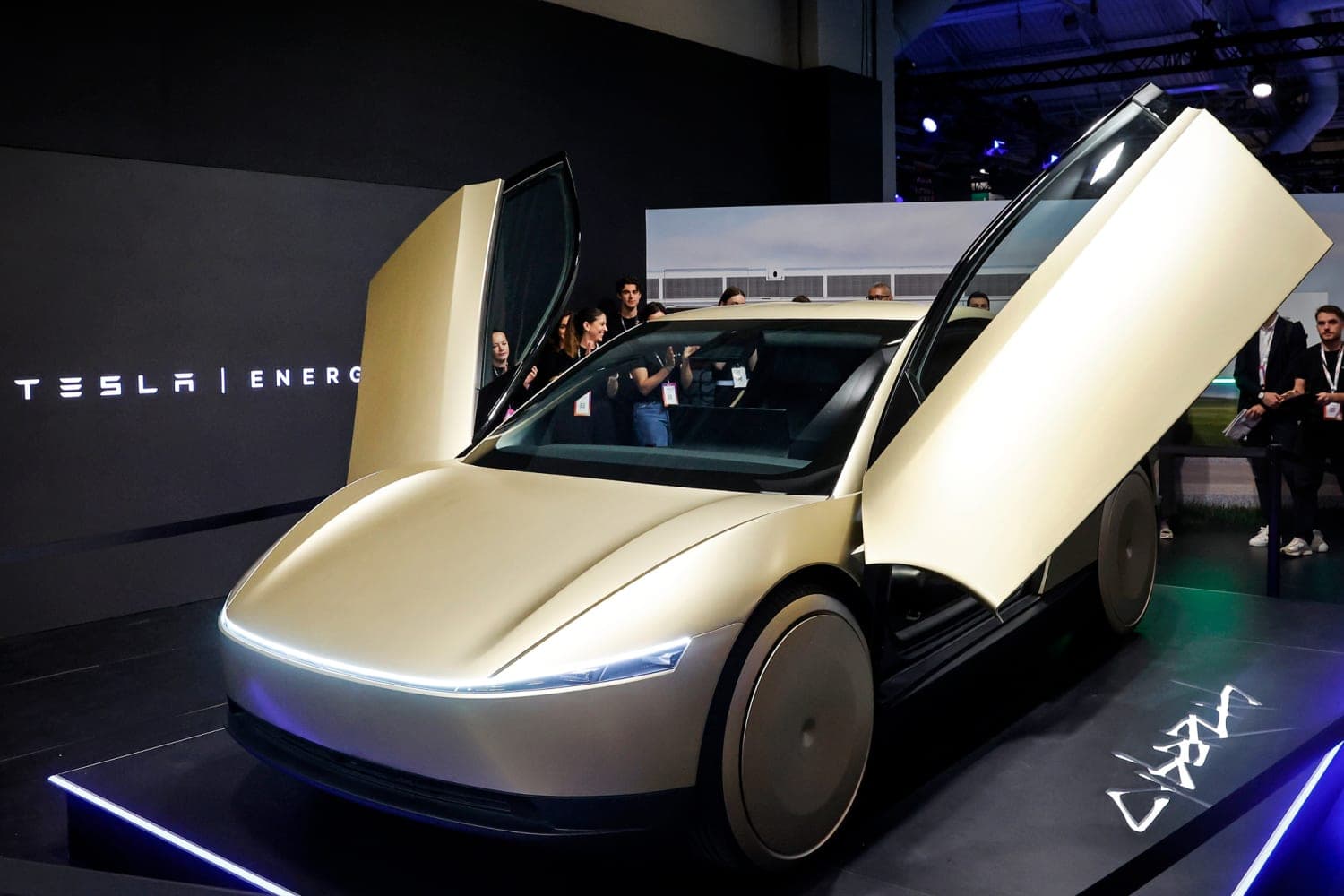
Testimony at the hearing suggests none of the three companies expect to come close to their full allocations within the next year. Tesla's own Cybercab chief engineer was notably blunt about it.

"The 5,000 has always been a ceiling for us. I don't think we'll be in a position by this time next year to deploy 5,000 vehicles, and it's not [because of] the technology... I think we would be extremely happy and satisfied if we could get ourselves up to 2,500, maybe a bit higher than that in the next year."

— Eric Early, Tesla Cybercab Chief Engineer

That's a meaningful admission given the gap between Tesla's permit and its current reality: the company's entire unsupervised robotaxi fleet across the whole United States numbers only around 20 vehicles today, with its original Austin deployment having peaked near 25 and drifted down since. Tesla has said it's already building Cybercabs faster than it can deploy them, with the bottleneck being software validation rather than hardware or permits.

MilestoneDetail
Tesla's initial Nevada permit (July 27)Capped at 10 vehicles, Strip-only, 45 mph limit, no airport pickups
Tesla's new Nevada permit (Aug 20)Ceiling raised to 5,000 vehicles over 12 months
Tesla's own stated target"Extremely happy" with 2,500 or "a bit higher"
Tesla's current national robotaxi fleetRoughly 20 vehicles operating at any given time
Pushback and open questions
  • The Livery Operators Association and local taxi companies opposed the permits, citing oversaturation of the transportation market and traffic concerns in high-traffic areas like the "Golden Triangle" near the Strip
  • Uber has lobbied for a hybrid model mixing human drivers and robotaxis on the same network, putting it at odds with Waymo's fully driverless approach
  • None of the three companies have committed to a timeline for actually reaching their approved fleet sizes
Advertisement

What It Means for Las Vegas

Regardless of how many vehicles actually hit the road, the approval sets up Las Vegas as a major three-way robotaxi battleground, with Tesla, Uber's partners, and Waymo all competing for the same riders in the same relatively compact area. Local officials and taxi groups are already raising concerns about what that competition — and the jobs it could add or eliminate for drivers and vehicle-support staff — will mean for the city's workforce.

The bottom line: This is a genuine regulatory expansion — Tesla alone went from a 10-vehicle cap in July to a 5,000-vehicle ceiling in August — but the permit numbers describe what's legally allowed, not what's actually coming. By Tesla's own admission, a realistic outcome a year from now looks more like 2,500 vehicles than 5,000, and that's assuming the software keeps pace with the paperwork.