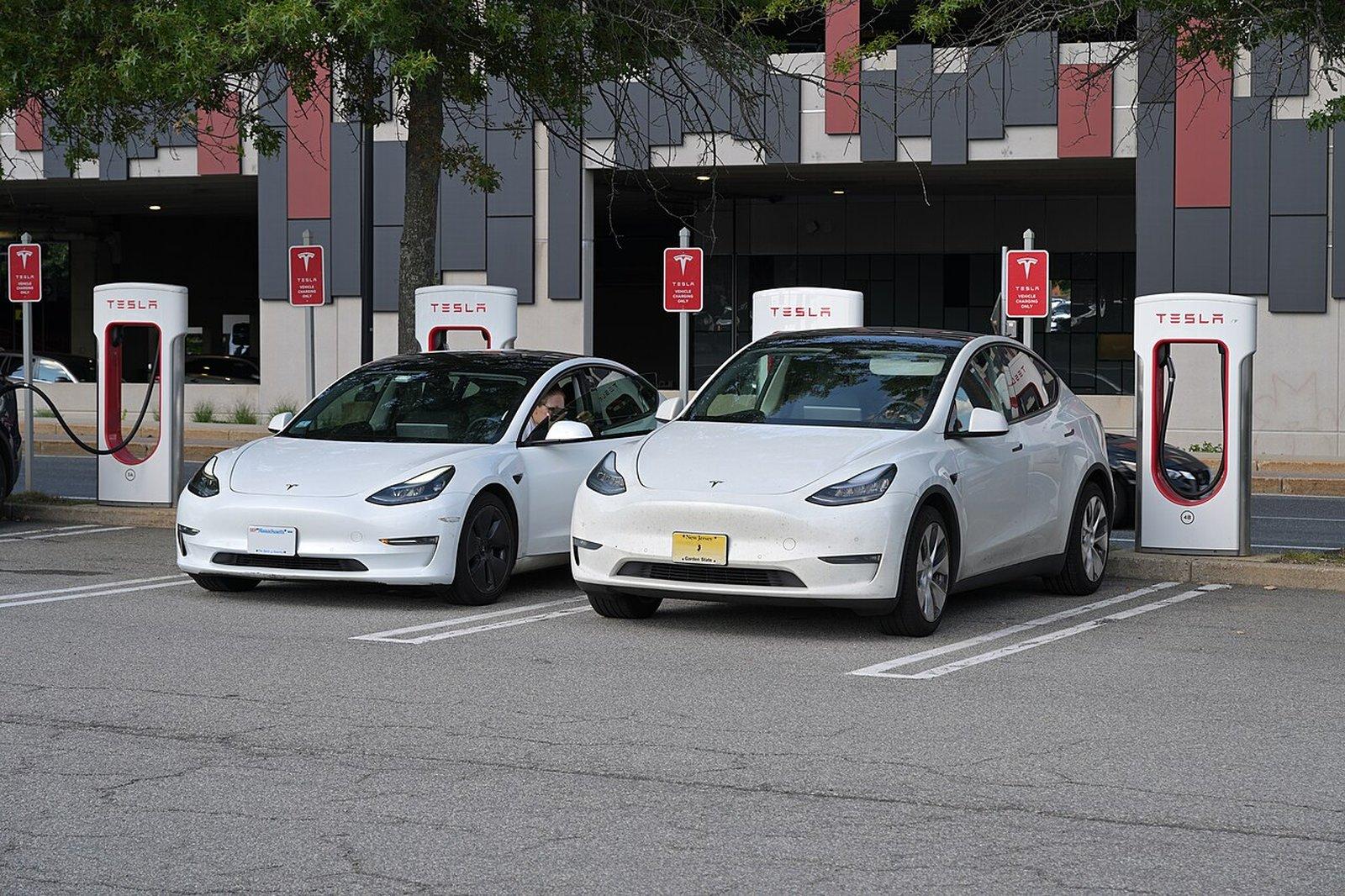
Photo: Wikideas1 / Wikimedia Commons (CC0)
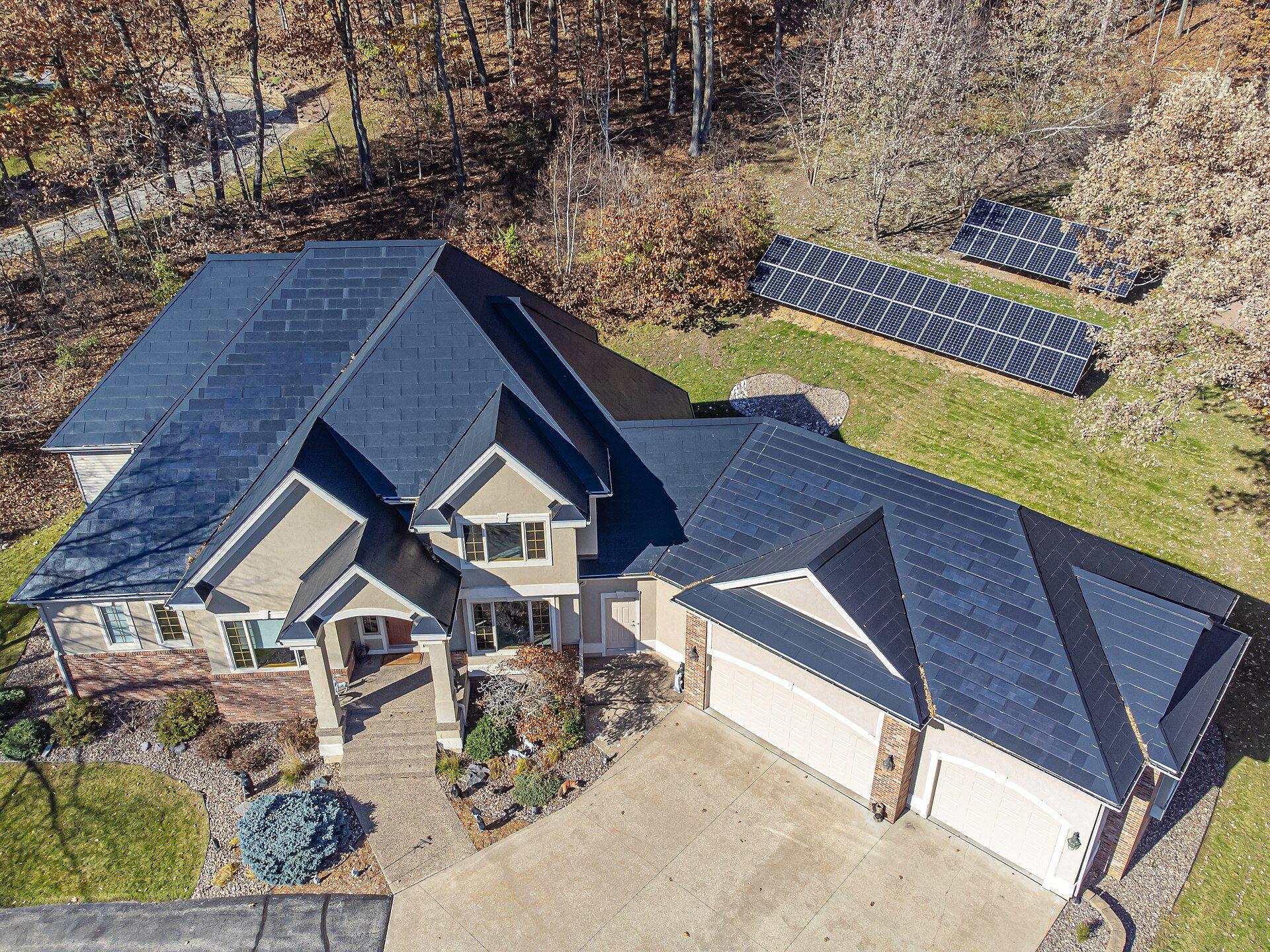
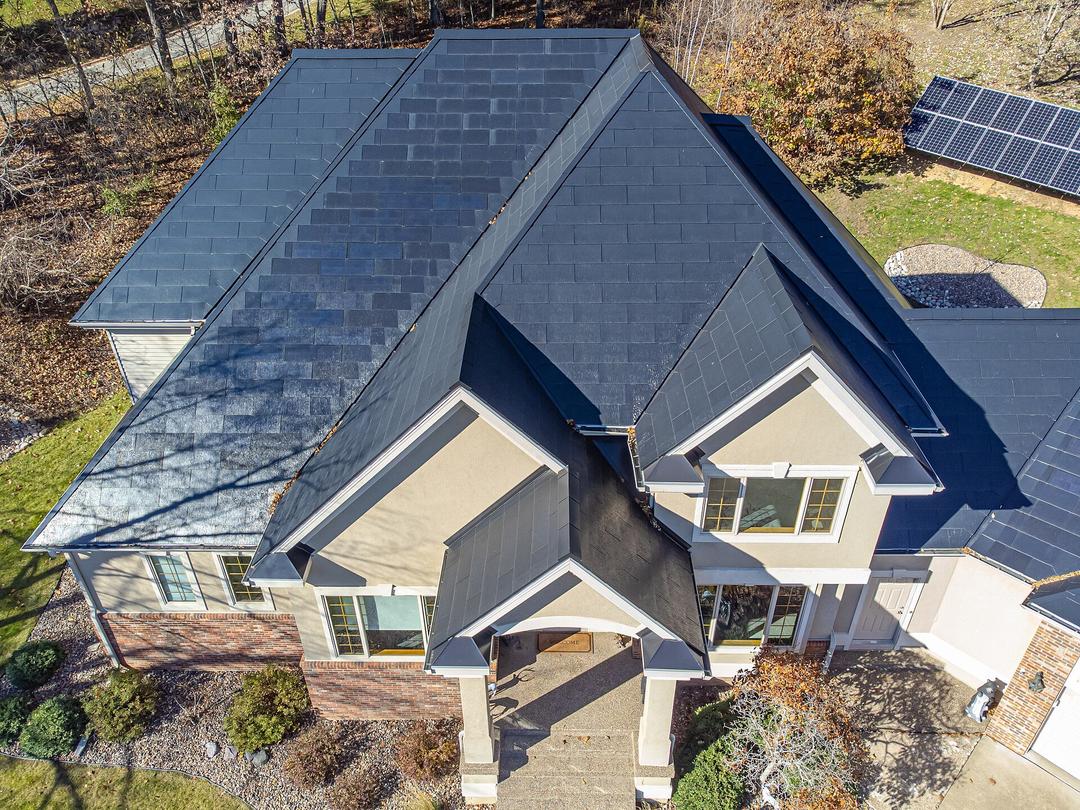
Ambrose Conroy signed up for a Tesla Solar Roof in March 2020. More than six years later, the roof on his Rancho Santa Fe, California, home has never produced a single kilowatt-hour for the house, never passed a county inspection, and is now being torn off. And a San Diego judge has ruled that Tesla is liable for fraud.
The ruling, first reported by Electrek on November 7, 2026, is not a jury verdict. It is a court-ordered sanction after Tesla repeatedly failed to hand over internal records. But the effect is the same on the key question: when the Tesla Solar Roof fraud lawsuit goes to trial, a jury will not decide whether Tesla defrauded the homeowner. It will decide how much Tesla pays, including possible punitive damages.
~$110K
Final contract price for the roof and six Powerwalls
$2.5M+
What the homeowner says repairs will cost
$5,000
Tesla's 2022 settlement offer
0 kWh
Electricity the roof ever supplied the home
The Tesla Solar Roof Fraud Case at a Glance
| Detail | What the filings show |
|---|
| Case | Conroy v. Tesla, No. 37-2022-00043670 |
| Court | San Diego Superior Court, North County |
| Judge | Cynthia Freeland |
| Filed | 2022 |
| Contract | $82,210 for 13.1 kW (March 2020), amended to about $110,000 for 18.2 kW plus six Powerwalls |
| Admitted by Tesla | Breach of contract, breach of warranty, negligence |
| Deemed liable by court | Fraud and negligent misrepresentation (September 11, 2026) |
| Still to be decided | Compensatory and punitive damages |
| Next hearing | Trial readiness conference, December 4, 2026 |
How Tesla Ended Up Liable for Fraud Without a Trial
Tesla has already conceded three of the five claims. According to a joint trial readiness report dated October 20, 2026, the company stipulated to liability for breach of contract, breach of warranty and negligence.
The fraud finding came out of a discovery fight. Judge Freeland sanctioned Tesla $15,467.50 in February 2026 and $13,500 in June 2026 over a deficient privilege log and missing documents, and warned that harsher "issue sanctions" could follow. When Tesla missed another deadline, the court on September 11 deemed it liable for fraud and negligent misrepresentation, limiting the trial to damages. The judge found "ample evidence" the defendants acted willfully.
Records reportedly withheld included Microsoft Teams messages, OSHA logs, emails with San Diego County inspectors and more than 20 quality, install and safety reports from Tesla's internal system. Tesla asked the court to reconsider, saying it had since produced everything. On October 27 the court said no, writing that the late documents could support the theory that Tesla "knowingly used Plaintiff's home as an experiment while knowing they lacked the experience to perform as promised."