Photo: 4300streetcar / Wikimedia Commons (CC BY 4.0)
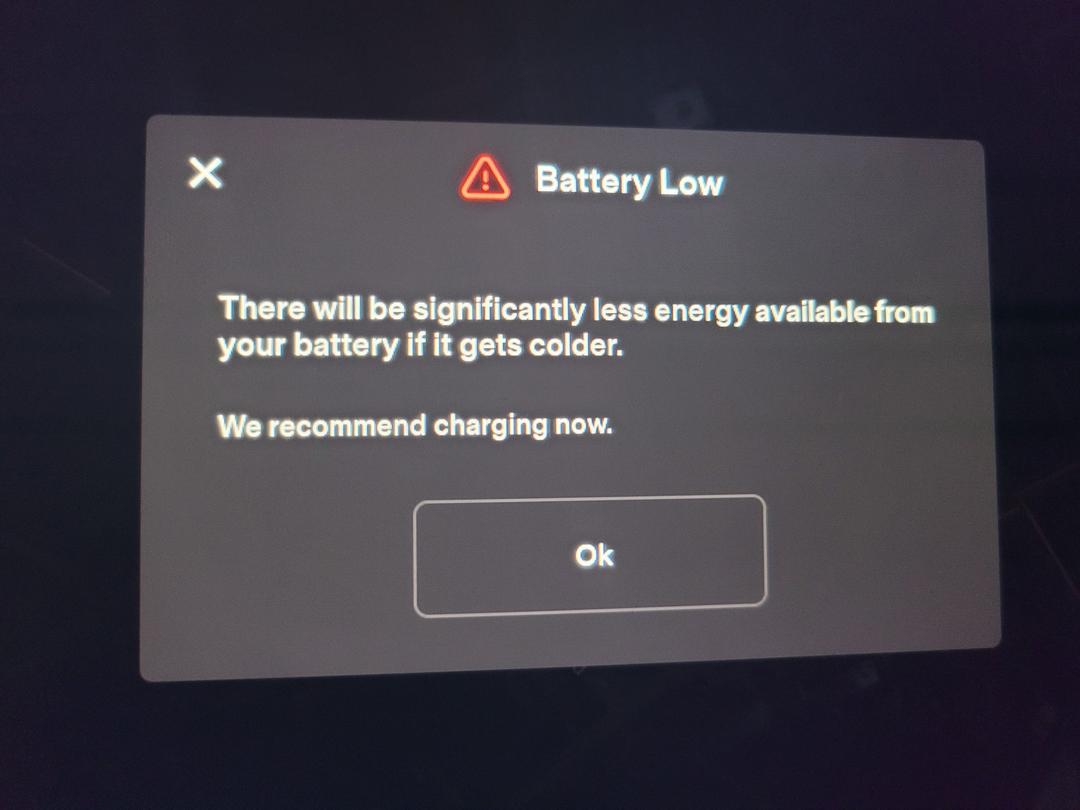
Your EV says 0%. The range readout says 0 miles. Are you about to stop dead in the left lane? Almost certainly not, at least not right away. In independent tests, most electric cars keep driving somewhere between 3 and 20 miles past zero, and one Tesla Model 3 went 31 miles. But the number swings widely by brand, temperature and speed, and automakers, Tesla included, tell owners not to count on any of it.
Here is what real tests show about how far a Tesla and other EVs can go on 0%, why that hidden reserve exists, what the car does as it runs dry, and what to do if you actually run out.
31 mi
Longest past zero: 2026 Tesla Model 3 (Out of Spec)
~10 mi
Average of 15 EVs in Europe's 2026 ECOBEST test
0.6 mi
Shortest: Xpeng P7+ in the same test
2.5 mi
Volvo XC40 Recharge in CAA's winter test
How Far Can a Tesla Go on 0%?
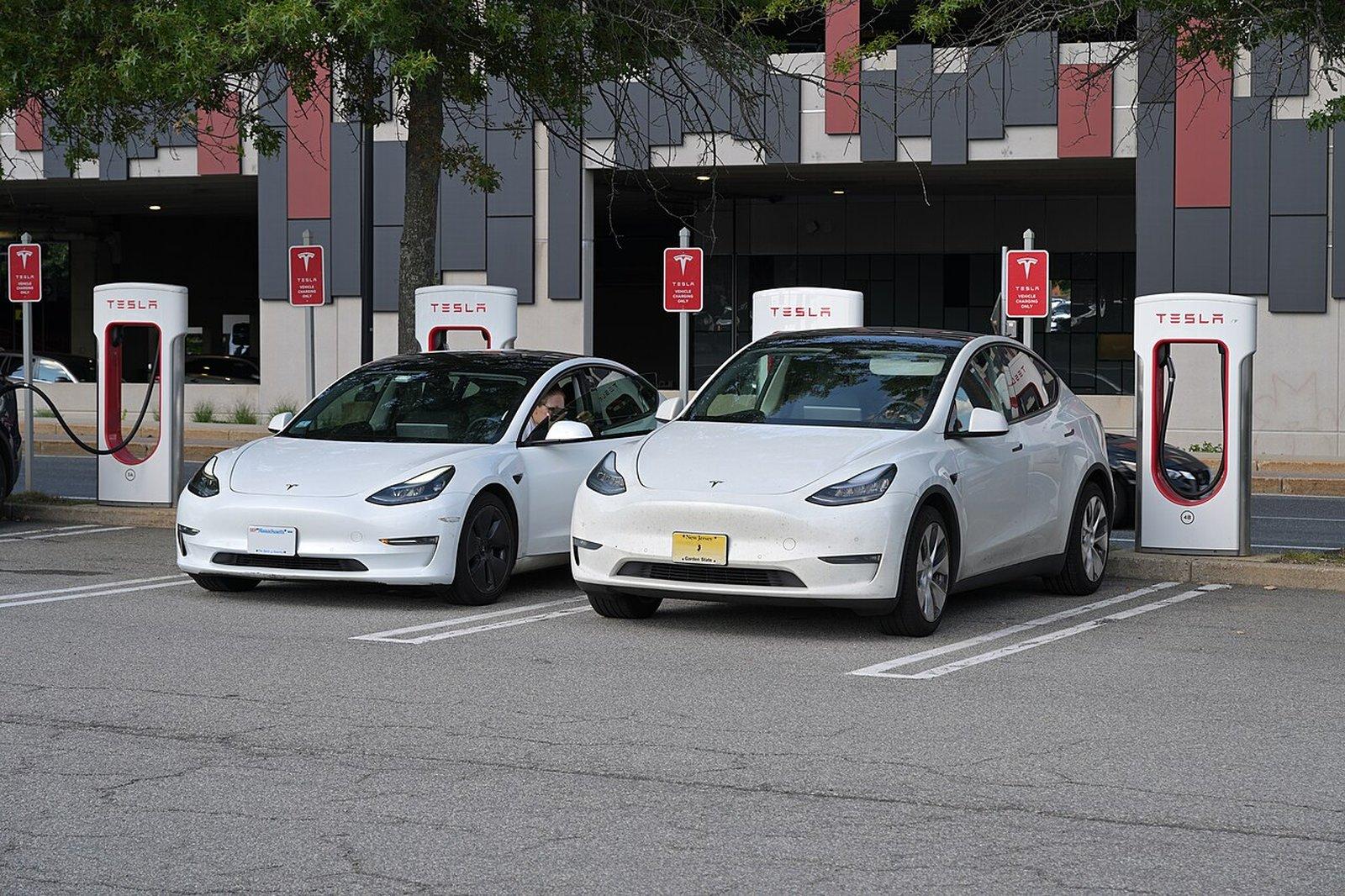
Teslas have consistently posted some of the largest buffers in independent testing, but not the largest every time.
- 2026 Model 3 Premium (rear-drive): 31 miles past displayed zero on a closed circuit, using nearly 6 kWh after the gauge hit empty, in a test by Kyle Conner of Out of Spec reported by InsideEVs. The car then asked the driver to take over, showed shutdown warnings and gradually stopped.
- Model Y: 19.3 miles in the 2026 ECOBEST Challenge near Milan, Italy, second only to the Leapmotor B10's 19.9 miles.
- 2021 Model 3 Long Range: 25.9 miles at a steady 65 mph on Edmunds' test track. A 2020 Model 3 Standard Range Plus went 17.6 miles, and a 2020 Model Y Performance went 12.6.
- 2025 Model 3 in winter: 25 km (about 15.5 miles) in the Canadian Automobile Association's February 2025 cold-weather test, run at -7 to -15°C.
So the realistic answer for a Tesla is roughly 10 to 30 miles past zero, with the lower end more likely in the cold, at highway speed or in an older car. Tesla itself told Edmunds the buffer "cannot be defined exactly to a number every time."
EV Range After 0% by Brand: Real Test Results
| Vehicle | Miles past 0 | Test |
|---|
| Tesla Model 3 Premium (2026) | 31 | Out of Spec, closed circuit |
| Tesla Model 3 Long Range (2021) | 25.9 | Edmunds, 65 mph track |
| Leapmotor B10 | 19.9 | ECOBEST 2026, Italy, 68-77°F |
| Tesla Model Y | 19.3 | ECOBEST 2026, Italy, 68-77°F |
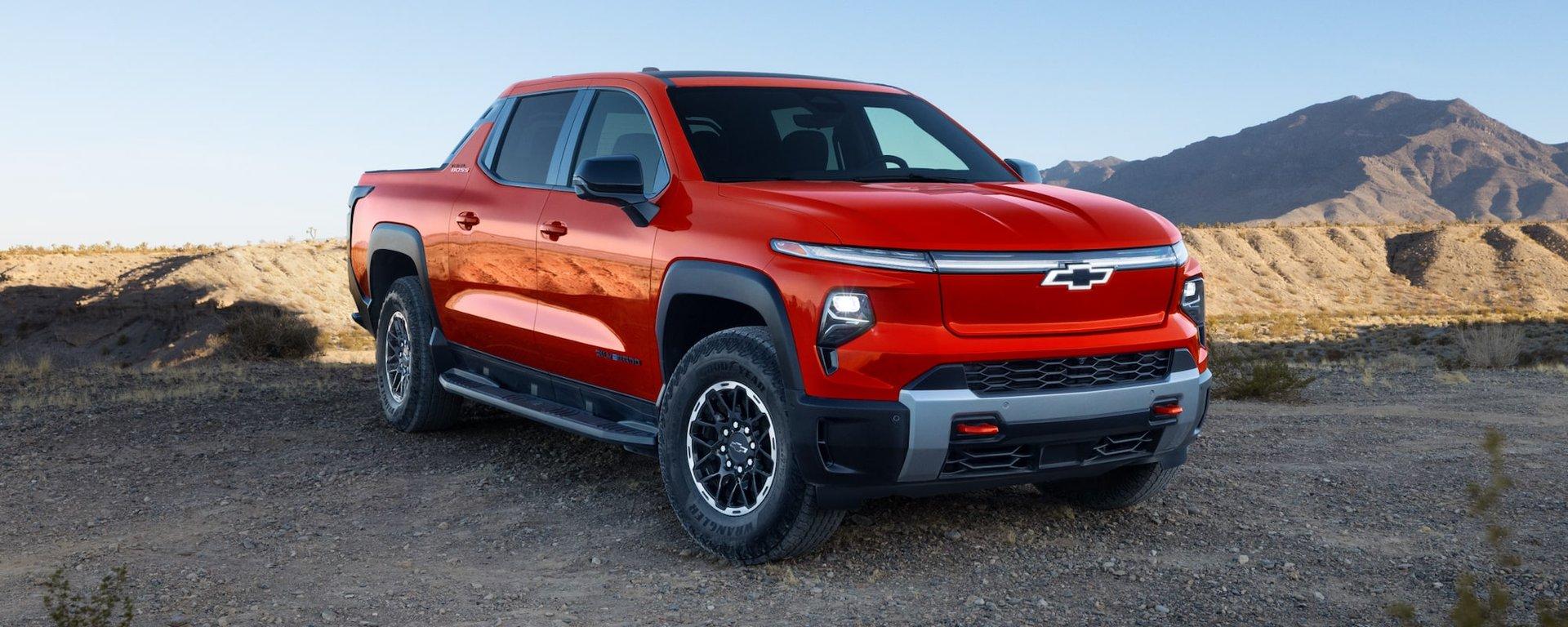
| Chevrolet Silverado EV (2024) | 17.4 | CAA winter, Canada |
| Honda Prologue (2024) | 17.4 | CAA winter, Canada |
| Hyundai Ioniq 6 | 16.3 | Owner test, via InsideEVs |
| Ford Mustang Mach-E (2025) | 15.5 | CAA winter, Canada |
| Volkswagen ID.4 | 12.9 | Edmunds, 65 mph track |
| Kia Niro EV (2024) | 11.8 | CAA winter, Canada |
| Polestar 2 (2024) | 9.9 | CAA winter, Canada |
| Ford Mustang Mach-E (early) | 7.3 | Edmunds, 65 mph track |
| Chevrolet Equinox EV (2024) | 4.3 | CAA winter, Canada |
| Toyota bZ4X / VW ID.4 (2024) | 3.1 | CAA winter, Canada |
| Volvo XC40 Recharge (2024) | 2.5 | CAA winter, Canada |
| Xpeng P7+ | 0.6 | ECOBEST 2026, Italy |
CAA results were reported in kilometers and are converted here. In a separate UK test by What Car?, a BMW i4 managed 19 miles past zero (plus 5 more after a restart), a Volvo XC40 and Kia Niro EV 17 each, a VW ID.5 15, a Kia EV6 and Tesla Model 3 13 each, and a Tesla Model Y 11.
What about Rivian?
We could not find a controlled, published test measuring how far a Rivian R1T or R1S drives after its display reads zero. Owner reports exist, but none we could verify. We will add a figure when a reliable test is published.