With colder weather arriving, EV owners everywhere are about to notice the same thing: their range drops. That's normal, and it's not a sign that anything is wrong. Here's how much range EVs really lose in winter, which models handle the cold best, and the simple tricks that help you keep more of your miles.
~20%
Average range loss at or below freezing (Recurrent)
83%
Average range kept by EVs with heat pumps
75%
Average range kept by EVs without heat pumps
Quick answer
- EVs lose about 20% of their range on average at 32°F (0°C) or colder
- The biggest cause is heating the cabin, not the battery itself
- EVs with heat pumps keep noticeably more range in the cold
- Preconditioning while plugged in is the single best way to save range
- The range comes back when the weather warms up. The cold doesn't permanently damage the battery
Why EVs Lose Range in the Cold
Two things happen in winter. First, heating the cabin takes energy. A gas car uses waste heat from the engine for free, but an EV has to make heat using battery power. Second, cold batteries are less efficient. The chemical reactions inside slow down, and the car has to spend energy warming the battery for driving and charging. Short trips in very cold weather lose the most range, because the car keeps spending energy heating everything up again.
Which EVs Handle the Cold Best?
Recurrent analyzed more than 18,000 EVs in freezing conditions. Here's how much of their normal range popular models kept at 32°F or below:
| Model | Range kept in freezing weather |
|---|
| Tesla Model X | 89% |
| Tesla Model S | 88% |
| Tesla Model 3 / Audi e-tron | 87% |
| Tesla Model Y | 86% |
| Hyundai Ioniq 5 | 85% |
| Rivian R1S | 83% |
| Nissan Leaf | 78% |
| Ford F-150 Lightning / Chevy Equinox EV | 74% |
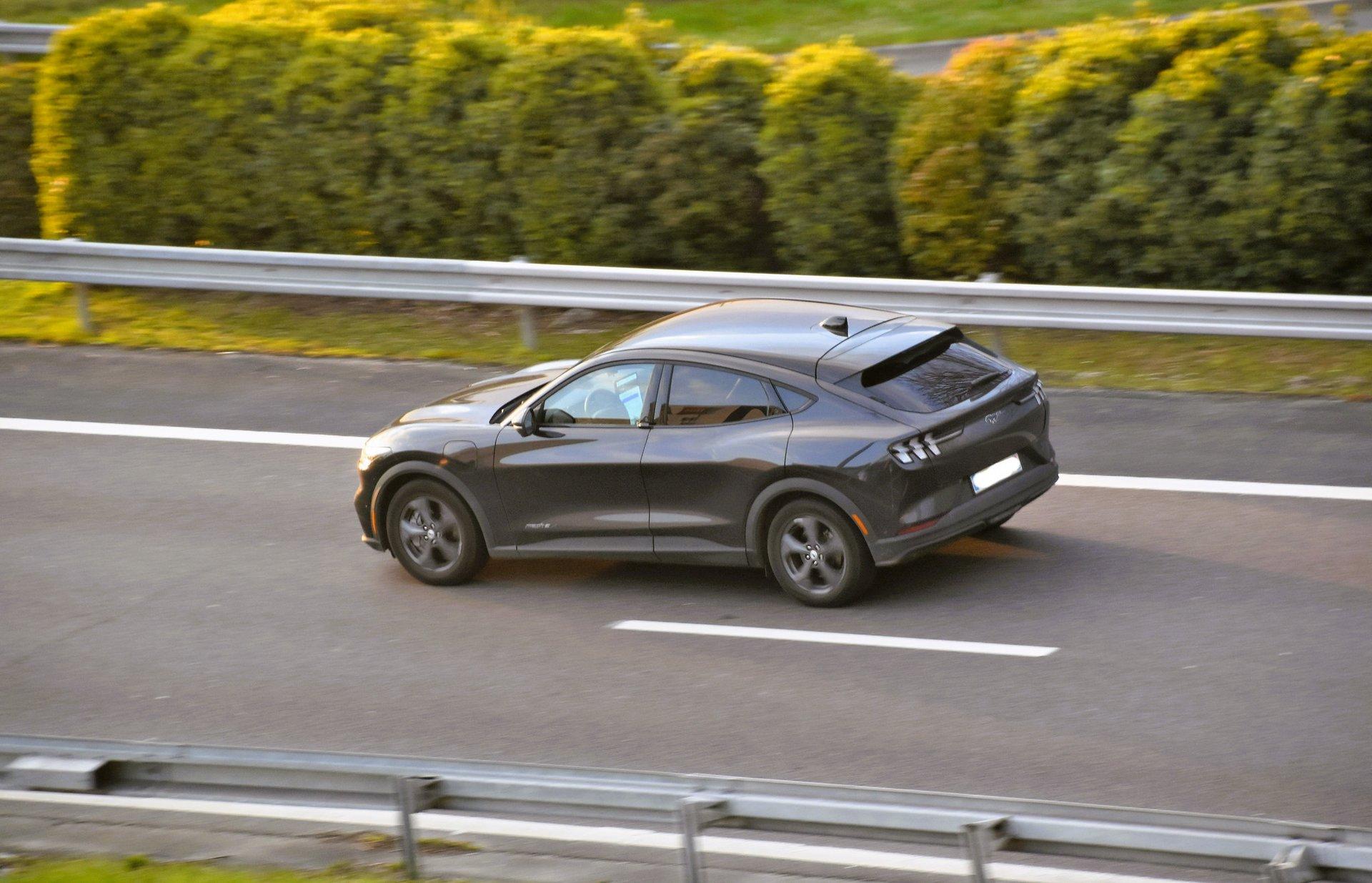
| Ford Mustang Mach-E | 66% |
| VW ID.4 | 64% |
Source: Recurrent study of 18,000+ vehicles. Results can differ for newer model years and software updates.