Tesla Cuts FSD Speed Margin in Europe From 50% to 10% Over the Limit, Renames It Tesla Assisted Driving
Tesla FSD (Supervised) in Europe can now drive only 10% over the speed limit, down from 50%, and is renamed Tesla Assisted Driving after Dutch regulator RDW approval. Here's what changes and how it compares with the US.
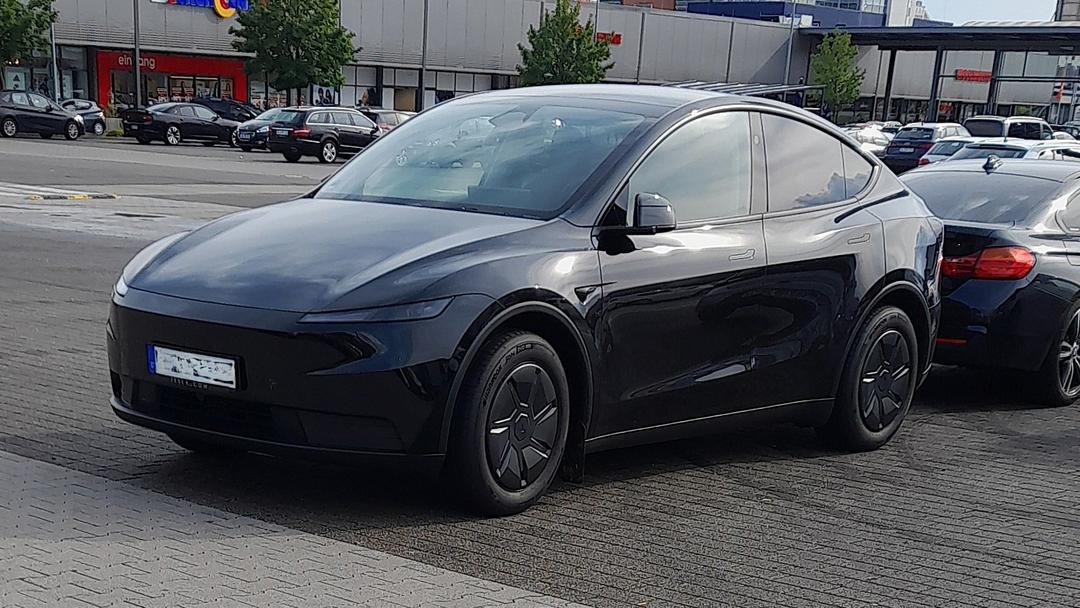
Photo: S5A-0043 / Wikimedia Commons (CC BY 4.0)
Tesla's driver-assistance software in Europe just got a new name and a much shorter leash on speed. The Dutch vehicle authority RDW has approved an update that cuts how far FSD (Supervised) can drive over the speed limit in Europe from 50% to 10%, and renames the system "Tesla Assisted Driving."
The RDW announced the change on November 3. It is Tesla's clearest concession yet to European regulators who have objected to the system's speeding, and it comes a month before EU member states are expected to vote on whether to approve the software across the entire bloc. Here is what changes for drivers, where the system is legal today, and how it compares with FSD in the United States.
+10%
New maximum speed margin (was +50%)
0%
Default margin every time the car starts
10
EU countries where the system is approved
15 of 27
Member states needed for EU-wide approval
What Changes for Tesla Drivers in Europe
The update arrives over the air on Tesla vehicles with Hardware 4 (HW4) or later that have the system. According to the RDW, it makes four changes:
A 10% speed margin cap. The "speed margin" lets the system deviate from the detected speed limit "for safety and traffic flow." The maximum drops from +50% to +10%.
A 0% default. The margin resets to zero every time the car is started, so drivers must choose to add any tolerance on each trip.
Other speed functions off by default. The RDW says other speed-related functions are now disabled by default. It did not list which ones.
A new name. "FSD Supervised" becomes "Tesla Assisted Driving (TAD)" on the car's screen, in the owner's manual and in other driver information.
Posted limit
Old max (+50%)
New max (+10%)
30 km/h (19 mph) city zone
45 km/h (28 mph)
33 km/h (21 mph)
50 km/h (31 mph) urban road
75 km/h (47 mph)
55 km/h (34 mph)
100 km/h (62 mph) highway
150 km/h (93 mph)
110 km/h (68 mph)
130 km/h (81 mph) motorway
195 km/h (121 mph)
143 km/h (89 mph)
The RDW stressed that the rename does not change what the system does. "The driver remains responsible for driving," the agency said. It remains a supervised driver-assistance system, not a self-driving car.
What Is the RDW, and Why Does It Decide for Europe?
The RDW is the Netherlands' vehicle authority, and it is the agency Tesla chose to certify its software in Europe. On April 10, 2026, it granted FSD (Supervised) what it called a "European type approval with provisional validity in the Netherlands," after more than 18 months of testing, including over 1.6 million kilometers on European roads. The Netherlands became the first European country to allow the system.
That approval was issued under Article 39 of EU Regulation 2018/858, a route for new technology that existing rules do not fully cover. It is valid in the Netherlands, and other member states can choose to recognize it. For the November update, the RDW said it checked the changes, found "no adverse or unintended effects," and folded them into the existing approval without amending or extending it.
A Tesla Model Y in Senden, Germany. Germany has said it will back EU approval now that Tesla accepted a 10% speed cap and a new name. Photo: Trop86 / Wikimedia Commons (CC0)
Advertisement
Where Is Tesla FSD Approved in Europe?
As of November 3, the system is approved in 10 EU countries: the Netherlands, plus nine states that recognize the Dutch approval. The RDW notified each of them of the update.
Not approved: Germany, France, Italy and Spain, among others.
Price: €99 per month in European markets, according to InsideEVs, matching the $99 US subscription.
The decision on approval for all 27 member states sits with the EU's Technical Committee on Motor Vehicles (TCMV). Passing requires a qualified majority: at least 15 member states representing at least 65% of the EU population. That vote has been pushed back several times and is now expected in December at the earliest. The RDW says the committee's talks are confidential.
Advertisement
Why Europe Pushed Back on Speeding
Speed has been the main sticking point, and the 10% figure did not come out of nowhere.
June: Electrek reported a letter from the Swedish Transport Administration urging the TCMV to vote against the system unless Tesla removed its ability to exceed posted limits, warning it "risks undermining both the legal framework and the expected safety benefits of vehicle automation."
September: A Brussels pedestrian-safety group tested the system in Belgium, which had already approved it, and found it speeding in 55% of the 30 km/h segments it drove. France cited urban speeding as one reason it will not recognize the Dutch approval.
October 6: Germany's transport ministry said it would support EU approval after talks with Tesla produced agreement on a 10% tolerance and a new name. Transport Minister Steffen Bilger had called "Full Self-Driving" misleading. The ministry said "small excesses can sometimes smooth traffic flow."
The open question: Germany's backing is significant because of its population weight in the vote. But Sweden asked for zero tolerance above the limit, not 10%. Whether France, Italy and Spain accept the new cap will likely decide December's outcome. A cap also does not fix the problem critics raise most often: if the car misreads the speed limit, 10% over the wrong number is still too fast.
"The driver remains responsible for driving."
— RDW, announcing the Tesla Assisted Driving update
How This Differs From FSD Speed Settings in the US
In the United States, Tesla's version of the software is still sold as Full Self-Driving (Supervised), subscription-only at $99 a month since February 2026. The RDW has said the European software "differs substantially" from the US version, and in the US there is no regulator-imposed percentage cap on how far over the limit it may drive.
Since FSD v14, speed in the US is governed by speed profiles rather than a separate offset setting. Tesla's owner's manual lists five: Sloth ("drives under the speed limit"), Chill, Standard ("adjusts speed to match the flow of traffic"), Hurry and Mad Max ("drives more quickly than in the Hurry profile, with more frequent lane changes"). Drivers can switch profiles on the fly with the steering-wheel scroll wheel. With update 2025.44, Tesla made Sloth the default for new owners.
US regulators have taken notice anyway. In October 2025, after drivers reported that Mad Max could run above posted limits, NHTSA said it was "in contact with the manufacturer to gather additional information," adding that "the human behind the wheel is fully responsible for driving the vehicle and complying with all traffic safety laws." That same month the agency opened an investigation into about 2.9 million FSD-equipped Teslas over reported traffic-law violations.
Feature
Europe (Tesla Assisted Driving)
United States (FSD Supervised)
Name
Tesla Assisted Driving
Full Self-Driving (Supervised)
Speed over limit
Capped at +10%
No fixed cap; set by speed profile
Default at startup
0% margin
Last-used profile (Sloth for new owners)
Regulatory basis
RDW type approval, recognized by 9 other states
No federal pre-approval; driver responsible
Price
€99 per month
$99 per month
The bottom line: Tesla has cut the European version of FSD's speed margin from 50% to 10% over the limit, set it to 0% at every startup, and renamed it Tesla Assisted Driving, all approved by the Dutch RDW. It is legal in 10 EU countries today. The real test comes in December, when EU member states may finally vote on approving it everywhere. US drivers are not affected and keep the speed profiles they have now.