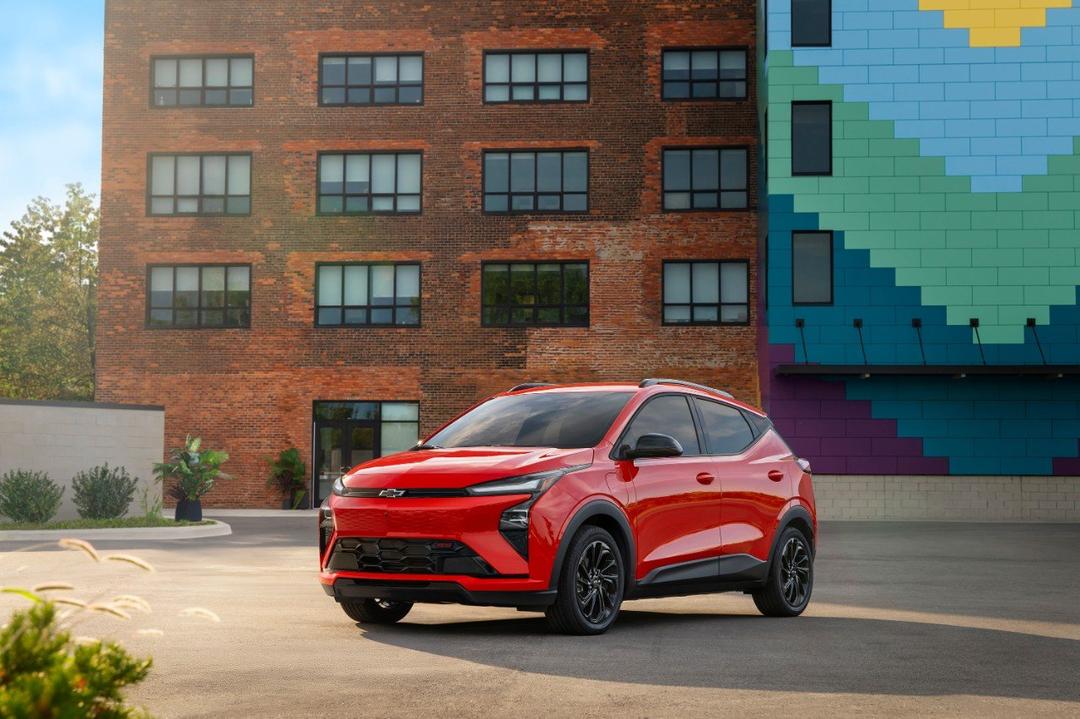
Photo: General Motors
The average new electric vehicle sold in the US cost $56,220 in October 2026, according to Kelley Blue Book. That is up 1% from September but 2.7% lower than a year ago. Automakers are still leaning on discounts to move EVs, which averaged 11.3% of the transaction price, well above the 6.8% average across the whole market.
The bigger story for shoppers is the gap between the average and the bottom of the market. While the average EV costs more than the average new vehicle, the cheapest new EVs now start below $29,000 with destination. Here is what the October numbers show, and what they mean if you plan to buy in November or over Black Friday.
$56,220
Average new EV transaction price, October 2026
11.3%
EV incentives as a share of price (6.8% industry)
$51,109
Average price of all new vehicles, a record
$28,995
2027 Chevy Bolt LT with destination
EV Prices in October 2026: The Key Numbers
Kelley Blue Book, part of Cox Automotive, published its October average transaction price (ATP) report on November 10. ATP is what buyers actually paid before incentives, taxes and fees are applied.
- EV ATP: $56,220, up 1% from September and down 2.7% from October 2025.
- All new vehicles: a record $51,109, up $649 (1.3%) from a revised $50,460 in September and up 2.1% year over year. The old record was December 2025.
- EV incentives: 11.3% of ATP, up from a revised 11.2% in September and 10.3% a year earlier.
- Industry incentives: 6.8% of ATP, or about $3,490 per vehicle.
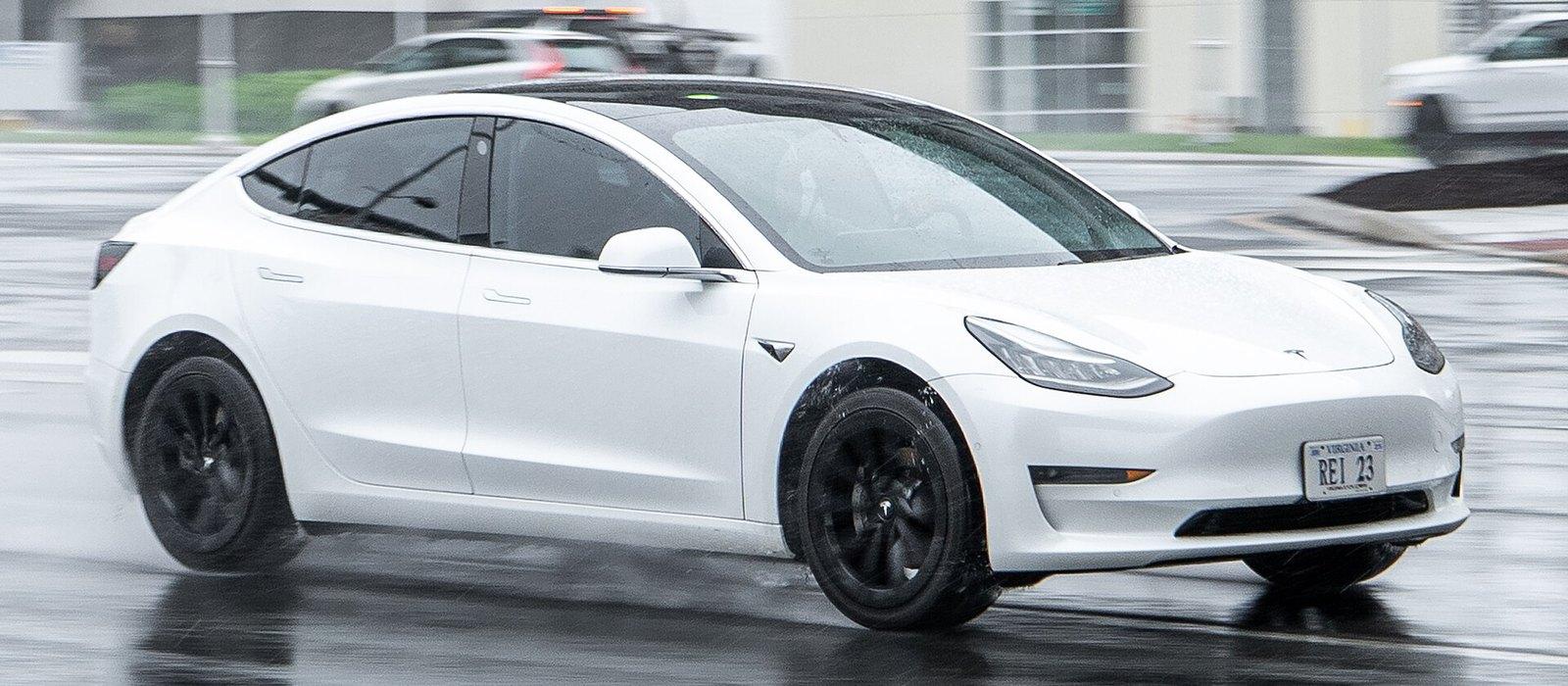
- Tesla ATP: $54,194, down slightly (0.3%) from September but up 1.2% from a year ago.
Put simply, the average EV sold for about $5,111 (10%) more than the average new vehicle in October. By our math, an 11.3% incentive on a $56,220 EV works out to roughly $6,350, nearly double the industry's $3,490 average.
EV Price Trend: May to October 2026
EV prices have moved in a narrow band all year. The gap over the industry average has also shrunk. Cox said in September that the EV premium over gas and hybrid models has stayed near 11% in 2026, down from close to 18% in 2025.
| Month (2026) | EV ATP | All-vehicle ATP | EV incentives (% of ATP) | Industry incentives |
|---|
| May | $54,532 | $49,220 | 14% | 7.1% |
| June | $56,238 | $49,758 | 13% | 7.0% |
| July | $56,126 | $49,855 | 11.8% | 6.4% |
| August | $54,813 | $50,089 | 12% | 6.5% |
| September | $55,879 | $50,562 | 11% | 6.6% |
| October | $56,220 | $51,109 | 11.3% | 6.8% |
Source: Kelley Blue Book/Cox Automotive monthly ATP reports, as first published. Cox later revises some months (for example, September's all-vehicle ATP to $50,460 and EV incentives to 11.2%).
Two things stand out. EV discounts have shrunk from 14% of the price in May to about 11% now. And the all-vehicle average has climbed every month since May, while the EV average has barely moved. That is why the EV price gap keeps narrowing.
Cox does not publish a separate hybrid ATP in its monthly report, so we can't give a clean EV-versus-hybrid price comparison from the same data.