Federal $130 EV Fee Stalls: BUILD America 250 Act Never Reached the House Floor, and Highway Funding Runs Out Dec. 11
The proposed $130-a-year federal EV fee and $35 plug-in hybrid fee in the BUILD America 250 Act still haven't passed the House or Senate. Here's the status, the gas tax math and what it would cost you.
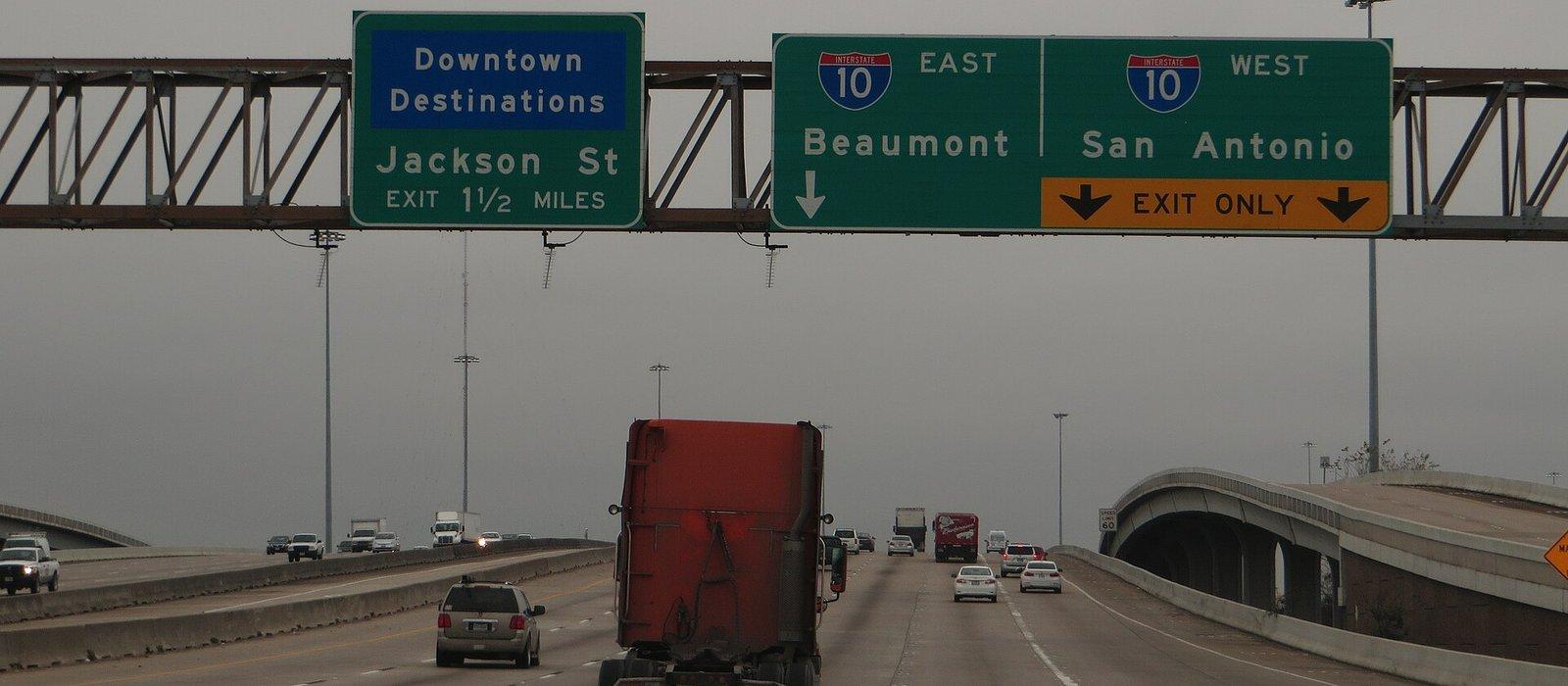
Photo: Ken Lund / Wikimedia Commons (CC BY-SA 2.0)
The proposed $130-a-year federal fee on electric vehicles is still just a proposal. The BUILD America 250 Act (H.R. 8870), the House highway bill that carries it, cleared committee 62-2 back on May 22. Almost six months later it has not had a vote on the House floor, and the Senate has not released a highway bill of its own.
The clock is now the bigger story. Federal highway programs are funded only through December 11, this Congress ends January 3, and Democrats won control of both chambers on November 3. Here is what the fee would actually do, how it compares with the gas tax, and where it stands this week.
$130
Proposed yearly federal fee per EV, rising to $150
$35
Proposed yearly fee per plug-in hybrid, rising to $50
$12B
CBO's net 10-year revenue estimate
Dec. 11
When current highway funding runs out
What the Federal EV Fee Would Do
The fee is in Section 1129 of the bill text. It would add a new section to federal highway law and tell the Federal Highway Administration to charge a yearly fee on every registered EV and plug-in hybrid. Here is what the introduced text says:
Amounts: $130 a year for a battery-electric vehicle and $35 for a plug-in hybrid. Regular hybrids are not covered. Neither are farm vehicles or commercial trucks.
Increases: Starting in 2029, both fees go up $5 every two years, capped at $150 for EVs and $50 for PHEVs. That puts EVs at $150 by 2035 and PHEVs at $50 by 2033. The fee is not indexed to inflation. It rises in fixed $5 steps.
Collection: Your state DMV would add the fee to its normal registration and renewal process. States could ask FHWA to approve another method. They would keep up to 1% for admin costs and send the rest to Washington every month.
Enforcement: A state that doesn't collect would lose federal highway money equal to 125% of what it should have sent. Those penalties could start in the fiscal year beginning October 1, 2027.
End date: The fee expires October 1, 2036.
The bill sets no single start date. The Congressional Budget Office assumed enactment in early 2027 and expects states to need "a few years" to set up collection. CBO's first revenue shows up in fiscal 2028, at $152 million net.
One more detail matters. The bill says only that it is the committee's "sense" that the money should go into the Highway Trust Fund. Actually routing it there falls to the tax-writing Ways and Means Committee, which had not moved its part of the bill as of October, according to a Holland & Knight analysis.
EV Fee vs. Gas Tax: Who Pays More?
The federal gas tax has been 18.4 cents a gallon since 1993, and it isn't adjusted for inflation. Here is what a typical driver pays in federal gas tax each year compared with the proposed fees. Assumptions are listed under the table.
Driver
Yearly miles
Fuel used
Federal cost per year
Gas car, 25 mpg
12,000
480 gal
$88.32 gas tax
Gas car, 25 mpg
13,500
540 gal
$99.36 gas tax
EV (fee at start)
Any
0 gal
$130 flat
EV (fee at cap, 2035)
Any
0 gal
$150 flat
Plug-in hybrid, half its miles on gas at 40 mpg
13,500
169 gal
$31.05 gas tax + $35 fee = $66.05
Our math: gallons x $0.184. The PHEV row is an illustration; your electric share and fuel economy will differ. Fee amounts from H.R. 8870, Sec. 1129.
The break-even point is high. A $130 fee equals the federal gas tax on about 707 gallons. That is roughly 17,700 miles a year in a 25-mpg car, and the EV fee is the same whether you drive 3,000 miles or 30,000. At the $150 cap, a gas driver would need about 20,400 miles to pay as much.
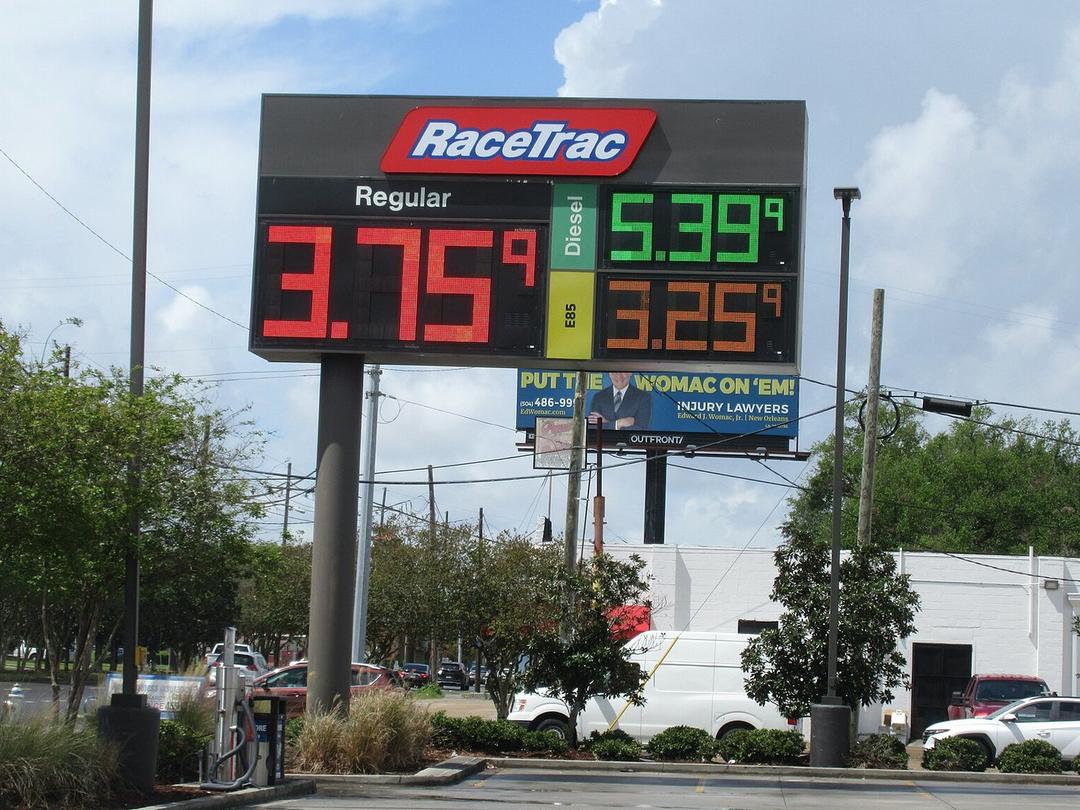
Gas drivers pay the 18.4-cent federal gas tax with every gallon, built into the pump price. EV owners pay nothing at the pump, which is the gap the proposed fee is meant to fill. Photo: Infrogmation / Wikimedia Commons (CC BY-SA 4.0)
On Top of State EV Fees
The federal charge would stack on top of state fees many owners already pay. The National Conference of State Legislatures lists 39 states with special registration fees for EVs or hybrids. A few examples:
State
Current state EV fee
With proposed $130 federal fee
Texas
$200/yr, or $400 upfront on a new EV (covers first 2 years)
$330/yr
Georgia
$238.59/yr (July 2026 to June 2027, indexed)
$368.59/yr
Ohio
$200/yr
$330/yr
Alabama
$200/yr EV, $100 PHEV
$330/yr EV, $135 PHEV
Washington
$150/yr
$280/yr
Sources: Texas DMV, Georgia Department of Revenue, NCSL. State figures are the extra EV fee only, not base registration or local fees.
Advertisement
Does It Close the Highway Trust Fund Gap?
No, and nobody claims it does. CBO estimates the fee would collect about $17 billion through 2036. After lower income and payroll tax receipts, the net gain is about $12 billion. Through fiscal 2031 the net is just $2.8 billion.
CBO's June baseline shows the trust fund's highway account $86 billion short by the end of 2031, and the transit account another $45 billion short. Our math puts the fee's five-year take at about 3% of the highway gap. The Committee for a Responsible Federal Budget says the fund would "remain severely out of balance" even with the new revenue.
Supporters and Critics
Supporters say it's about fairness. Committee chair Sam Graves (R-Mo.) said the fee "ensures that electric vehicle owners begin paying their fair share for the use of our roads." The top Democrat on the panel, Rick Larsen of Washington, said EV owners are "paying $0 into the federal highway trust fund right now." Larsen said the $130 figure came out of negotiations after Republicans had proposed $250 the year before. Senate Environment and Public Works chair Shelley Moore Capito (R-W.Va.) put it simply: "They use the roads; they should help pay."
Critics say it singles out EVs and doesn't fix the funding problem. Sen. Ron Wyden (D-Ore.), the top Democrat on the Finance Committee, called it "another right-wing ideological trophy" and said it was "off the table" as far as he's concerned. Sen. Sheldon Whitehouse (D-R.I.), the top Democrat on EPW, said, "Slapping a fee on electric vehicles isn't a solution for the Highway Trust Fund." During the markup, Rep. Jared Huffman (D-Calif.) filed an amendment to strike the fee, then withdrew it.
"I don't think a $130 registration fee on EVs is going to stop someone" — Rep. Rick Larsen (D-Wash.), ranking member, House Transportation and Infrastructure Committee
Advertisement
What the 2026 Midterm Results Mean for the Bill
Democrats won both the House and the Senate on November 3, and they take over when the 120th Congress opens January 3. Any bill that hasn't passed by then dies and has to be introduced again.
Trade groups following the bill don't expect a five-year deal in the lame-duck session. Land Line, the trucking outlet, called a major highway bill during the handover "unlikely." It said the likeliest outcome is another short-term extension before December 11, possibly for six months or more. The American Car Rental Association, in a November 10 update, called committee work in the first half of 2027 and a law late in 2027 is the realistic timeline.
The fee's two key players line up differently next year. Graves is retiring. FreightWaves reports that Larsen, who backs the fee, is expected to chair the House committee. In the Senate, Wyden and Whitehouse lead the Democratic opposition.
Watch for this
Some reports said the fee could hit as soon as December. That would require both chambers to pass the bill and the president to sign it before December 11. Even then, the bill text lets states set up collection, and CBO doesn't expect money to come in before fiscal 2028.
What It Would Cost You
Nothing yet. No federal EV fee exists today. Your next registration renewal won't include one.
EV owners: If this version became law, expect $130 a year added to your state renewal, rising to $150 by 2035. In Texas, that means $330 a year in EV-specific fees.
Plug-in hybrid owners: $35 a year, rising to $50, on top of the gas tax you already pay at the pump.
Hybrid owners: No federal fee in this bill, though some states already charge one.
The bottom line: The $130 federal EV fee is real bill text with bipartisan support from the House committee's top two members. But it has never had a floor vote, the Senate has no bill, and a December 11 deadline plus a change in party control make another extension far more likely than a final law this year. Watch whether the next Congress keeps the fee, shrinks it, or adds other revenue alongside it.