Cadillac Super Cruise Comes to Europe: Hands-Free Driving at 130 km/h in 16 Countries From December
Cadillac Super Cruise launches in Europe in mid-December on the Optiq, Lyriq and Vistiq, with hands-free driving up to 130 km/h on 180,000 km of roads in 16 countries. Here's what it does, its cost and how it compares with Tesla, BMW and Mercedes.
Photo: Cadillac
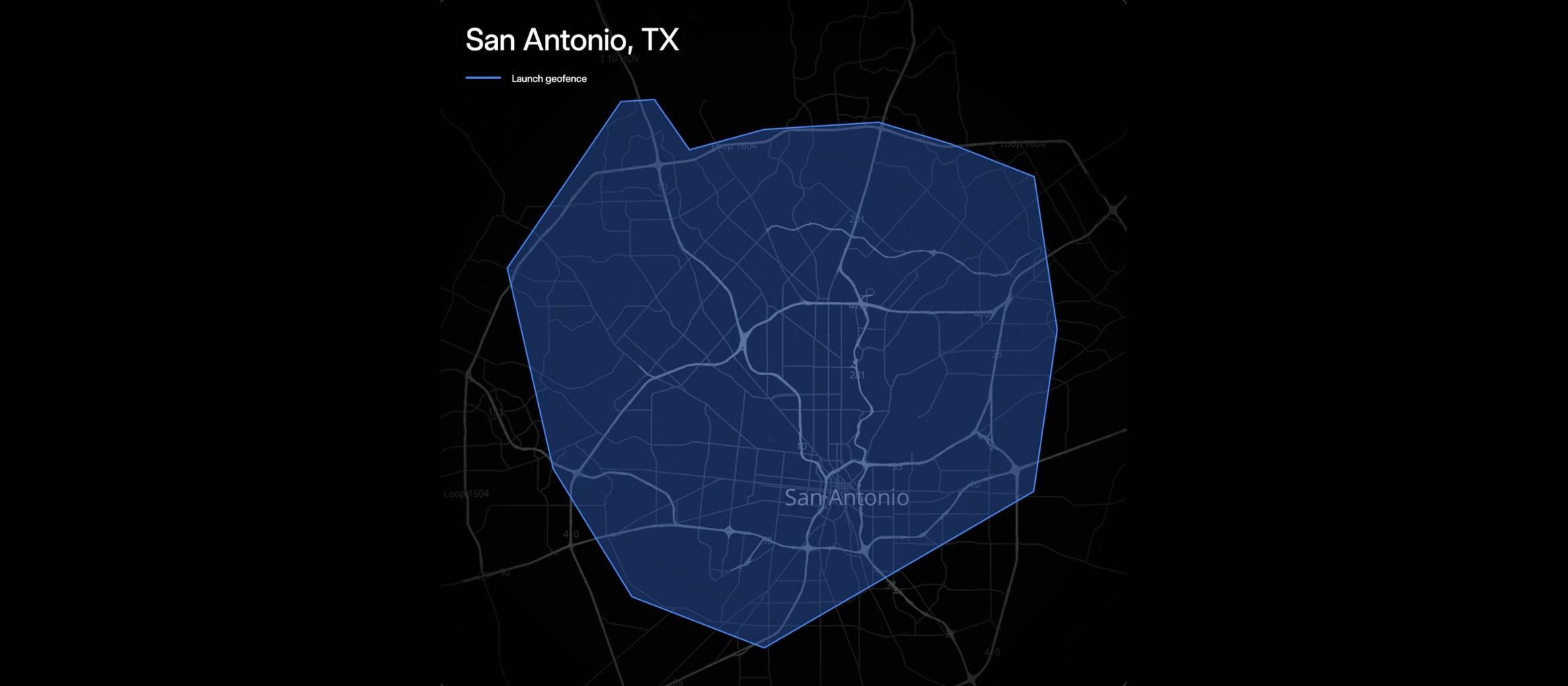
For nine years, General Motors' Super Cruise has let American drivers take their hands off the wheel on the highway. Starting in mid-December, Cadillac owners in Europe get the same option. Cadillac Super Cruise is coming to Europe on more than 180,000 km (about 112,000 miles) of roads in 16 countries, at speeds up to 130 km/h (81 mph), on the Optiq, Lyriq and Vistiq electric SUVs.
Cadillac announced the rollout ahead of its European premiere at the Auto Zürich show (November 5 to 8). Germany, France and Switzerland are among the first markets to go live. Here is what the system does in Europe, what it costs, how it differs from the American version, and where it sits next to Tesla, BMW and Mercedes-Benz.
16
European countries with compatible roads
180,000 km
Of mapped roads (about 112,000 miles)
130 km/h
Top hands-free speed (81 mph)
3 yrs
Included free, then a paid subscription
Which Cadillacs Get Super Cruise in Europe?
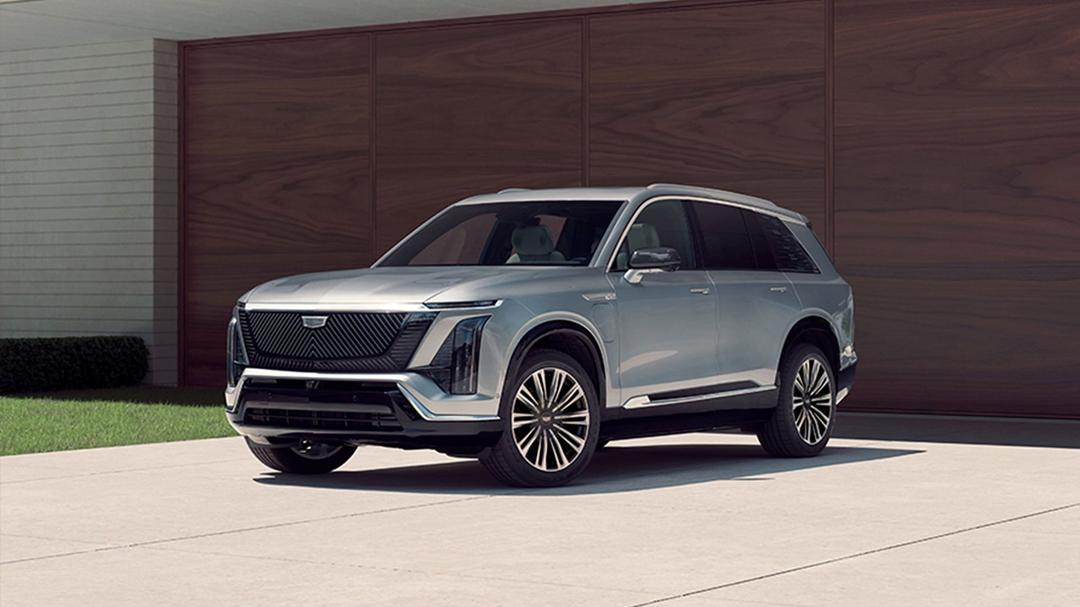
Three electric SUVs qualify, all of which already carry the necessary cameras, radar and driver-monitoring hardware. Cadillac's European websites have been saying for months that these cars are "equipped" with Super Cruise but that the feature is "not yet activated" pending approval. That is now changing.
Detail
Super Cruise in Europe
Models
Optiq (2025 model year and later), Lyriq and Vistiq (2026 model year and later)
Countries
16, including Germany, France and Switzerland
Road network
More than 180,000 km of mapped motorways and dual carriageways
Speed range
0 to 130 km/h, including stop-and-go traffic
Start date
Mid-December 2026
How it arrives
Software update; no new hardware needed
Cost
Included for three years from first registration; subscription after that (price not announced)
Cars already in customers' hands get the feature through a free software update. Sweden's HurBra reports that the update is done at a Cadillac service partner. GM has not published a full list of the 16 countries, and Swedish outlets note that Sweden is not among the markets confirmed so far.
What Super Cruise Can and Can't Do in Europe
Super Cruise steers, accelerates and brakes on its own on approved roads. The driver can take both hands off the wheel and both feet off the pedals, but must keep watching the road. A camera on the steering column tracks the driver's eyes and head. If attention drifts, the system warns the driver and eventually hands control back. A light bar at the top of the steering wheel turns green when the car is driving hands-free.
It can: keep the lane and a set following distance from 0 to 130 km/h, handle heavy stop-and-go traffic, and change lanes when the driver flicks the turn signal and the next lane is clear.
It can't: work off the mapped network, so no city streets or minor roads. It also does not let the driver stop watching the road. This is SAE Level 2 driver assistance, and the driver stays legally responsible.
New for Europe: Google Maps is built into the navigation screen and shows where Super Cruise works and how much of a planned trip can be driven hands-free.
GM says it changed the software specifically for European law and driving conditions and ran performance testing, validation and route testing in the region. The system relies on pre-mapped roads, cameras, radar and precise GPS. The maps were made with lidar, but the cars have no lidar sensor.
"We are excited to bring this hands-free experience to customers in Europe."
Maximilian Wittich, Managing Director, Digital Services and Experiences, as quoted by InsideEVs
The three-row Vistiq is one of three Cadillac EVs getting Super Cruise in Europe, along with the Lyriq and Optiq. Photo: Cadillac
Advertisement
How Europe's Super Cruise Differs From the US Version
In North America, Super Cruise has been on sale since 2017, runs on more than 20 GM models, and according to GM has logged more than one billion hands-free miles. The European version is narrower in a few ways.
Lane changes are driver-initiated. In Europe the driver asks for each lane change with the turn signal. Newer US versions can also pass slower traffic on their own.
Hard speed ceiling. 130 km/h is the top speed in Europe, even on the German autobahn sections that have no general limit. The system also stays within the local speed limit.
Smaller network, at least for now. About 112,000 miles in Europe, compared with the roughly 750,000 miles GM said it planned to cover in the US and Canada by the end of 2025.
Same business model. As in the US, Super Cruise is included for three years, after which owners need a Super Cruise subscription plus a connected-services plan. Cadillac has not given European prices. For reference, Ford's hands-free BlueCruise costs about €25 a month in Germany, according to France's Mac4Ever.
What it costs to get in
The Optiq, Cadillac's entry EV in Europe, costs about €69,500 in France, according to Mac4Ever (roughly $80,000 at current exchange rates).
Super Cruise is included at no charge for the first three years.
US buyers pay much less for the same car: the 2027 Optiq now starts at $49,995.
Advertisement
Super Cruise vs Tesla, BMW and Mercedes in Europe
Cadillac is late, but it is arriving at a moment when Europe's rules on driver assistance are opening up. The four systems below are all legal in at least part of Europe today, and they take very different approaches.
System
What it does
Where and how fast
Cadillac Super Cruise
Level 2, hands-free, eyes on the road; lane change on driver request
Mapped motorways in 16 countries, up to 130 km/h
Tesla Assisted Driving (formerly FSD Supervised)
Level 2, supervised; city streets and highways
Approved in 10 EU countries; speed margin capped at 10% over the limit
BMW Motorway Assistant
Level 2, hands-free; lane changes confirmed with a glance at the mirror
Motorways, up to 130 km/h; iX3 approved under UN R171
Mercedes Drive Pilot
Level 3, eyes-off in limited conditions
German motorways, up to 95 km/h; paused on new S-Class and EQS
Tesla covers far more ground, including city driving, but it still is not approved in Germany or France, the two biggest markets where Super Cruise is launching. Its European approval came through the Dutch regulator RDW, and in November Tesla accepted a much tighter speed limit and a new name to win over holdouts. We covered that in detail in Tesla's European speed-cap change.
BMW is Super Cruise's closest match. In November 2025 BMW said it was the first German automaker approved under UN Regulation 171, the international rulebook for Level 2 driver-control assistance systems (DCAS), for hands-free motorway driving up to 130 km/h in the new iX3. Cadillac's announcement, as reported, does not say which approval route Super Cruise used, so we cannot confirm whether it is R171.
Mercedes went further, with true Level 3 driving where the car, not the driver, is responsible within its limits. Germany approved Drive Pilot for 95 km/h in December 2024. But in January 2026 Mercedes paused it for the facelifted S-Class and EQS in favor of a cheaper Level 2++ system, citing cost and the system's many limitations, according to Electrive.
Keep in mind
Super Cruise is not self-driving. As InsideEVs put it, drivers should not expect to nap with it on.
The rollout begins in mid-December, and semi-automated driving begins at the end of the year. Expect some countries to come later than others.
Subscription pricing after year three is still unknown and could change the value story.
The bottom line: Super Cruise's arrival in Europe gives Cadillac's small European lineup a feature buyers can actually feel, hands-free motorway driving at up to 130 km/h across 16 countries, and it turns cars already on the road into hands-free cars with a software update. It does not match Tesla's breadth or Mercedes' eyes-off ambition, but it is a proven system that is legal in Germany and France, where Tesla's is not yet. The open questions are which countries make the first list and what Cadillac will charge after three years.