BMW Confirms Cheaper LFP Batteries for Neue Klasse EVs: LFP vs NMC, Which Models and the US Impact
BMW will add cheaper LFP batteries to select Neue Klasse EVs, its CEO confirmed. What LFP vs NMC means for cost, range, cold weather and charging to 100%, which models use it, new Gen6 cell suppliers, and the US impact.
Photo: BMW Group
BMW is going to put cheaper LFP (lithium iron phosphate) batteries in more of its new Neue Klasse electric cars. CEO Milan Nedeljković confirmed the plan on the company's third-quarter earnings call last week, while making clear that LFP will be used selectively and won't replace the nickel-based cells in BMW's long-range models.
For a brand that has built its EV comeback around range and charging speed, that is a notable shift. LFP is the chemistry that made affordable EVs possible in China, and it is spreading through the industry. Here is what BMW said, what it didn't say, and what LFP means for drivers.
77 kWh
LFP pack in BMW's entry iX3 30L in China
~$40K
China price of the LFP iX3 (RMB 269,900)
391 mi
Claimed CLTC range of the LFP iX3 (630 km)
5
Gen6 battery assembly plants worldwide
What BMW Confirmed About LFP Batteries
Nedeljković's message was "yes, but carefully." According to BMWBLOG and InsideEVs, which both reported his remarks from the call, he said:
"So we will add the LFP technology in our vehicles, but we will be very specific in which vehicle and for which purpose." — Milan Nedeljković, BMW CEO
He added that LFP "will not be a generic exchange or a generic offer in all segments," and that it "offers a different cost structure, but also different range." BMW's starting point remains the nickel-rich (NMC) cylindrical cells used in most Neue Klasse models, because, in his words, "this technology is now superior in the market."
What BMW did not say
Which future models will get LFP batteries
When LFP models will be sold outside China
Whether cheaper batteries will mean lower sticker prices
Whether any LFP BMW is planned for the US
Which BMW Models Use LFP Today?
BMW already sells one LFP model. The entry-level iX3 30L, a long-wheelbase version built for China, uses a 77 kWh LFP pack. A Chinese government filing reported by CnEVPost lists a CATL subsidiary in Yibin, Sichuan, as the cell supplier. BMW claims 630 km (391 miles) on China's CLTC cycle, which is far more generous than EPA testing, so a US rating would be much lower. The 40L and 50L versions stay with NMC.
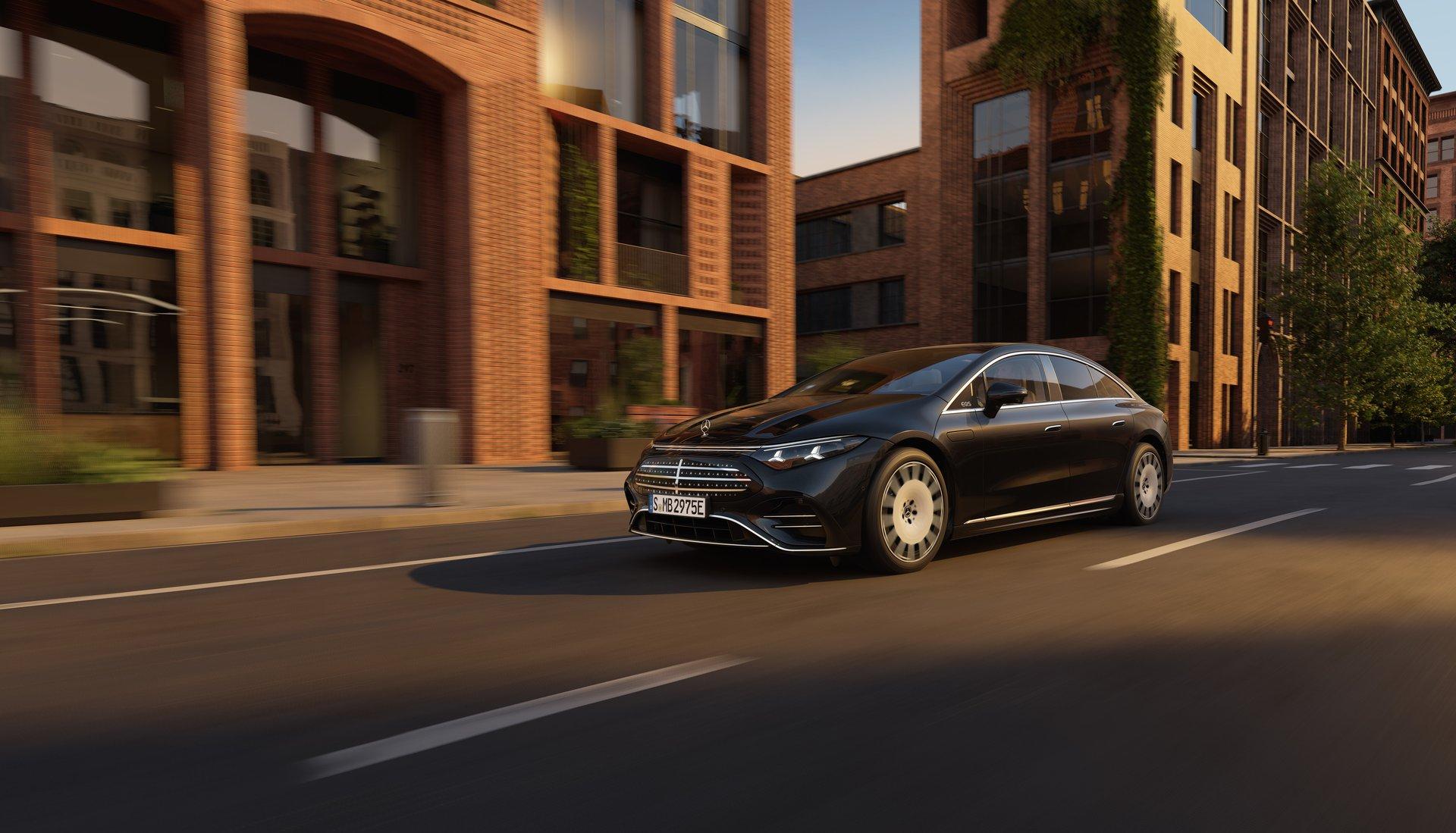
InsideEVs points to the compact, Europe-focused Neue Klasse model due in 2028 as a likely next candidate, since it would compete with Mercedes' electric CLA. In Europe, the CLA already offers a 58 kWh LFP entry battery alongside an 85 kWh NMC pack. BMW has not confirmed LFP for that car.
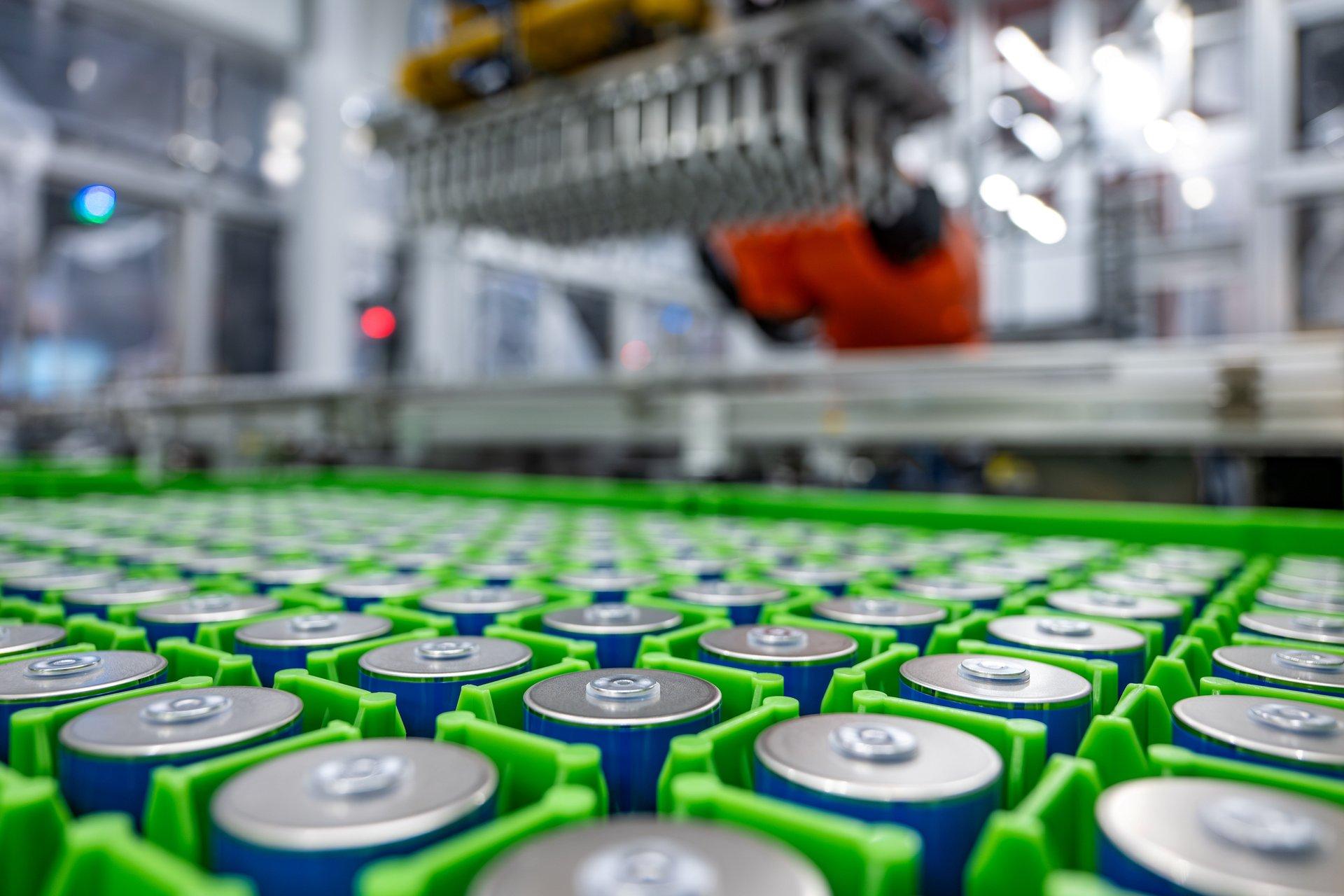
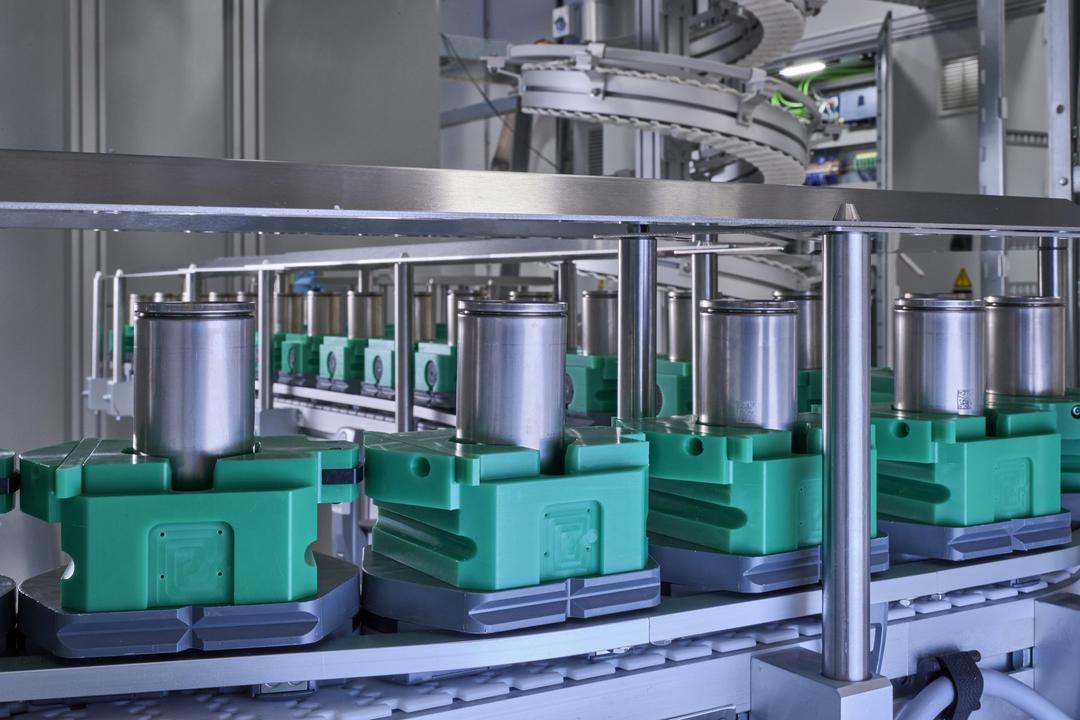
Round cells on a BMW cell assembly line. The Gen6 battery is built around large cylindrical cells. Photo: BMW Group
Advertisement
Gen6 Cells, New Suppliers and Timing
The LFP news came days before BMW named two new cell suppliers for its sixth-generation (Gen6) batteries. In a November 9 announcement, BMW said Samsung SDI will supply cells from Europe and LG Energy Solution will supply cells from the US, both from existing plants starting in the late 2020s. In Europe, Samsung SDI joins CATL and EVE Energy.
BMW didn't say which chemistry these new contracts cover. Gen6 packs are assembled at five plants near BMW's car factories: Irlbach-Straßkirchen in Germany, Debrecen in Hungary, Shenyang in China, Woodruff in South Carolina and San Luis Potosí in Mexico. In its quarterly results, BMW also said Neue Klasse demand is strong enough that it will begin phasing out some older models built on Gen5 battery technology earlier than planned.
"Through our battery cell partnerships, we are actively strengthening value creation in Europe and the US." — Nicolai Martin, BMW Board Member for Purchasing and Supplier Network
LFP vs NMC: What's the Difference for Drivers?
Both are lithium-ion batteries. The difference is the cathode. NMC uses nickel, manganese and cobalt, which are expensive. LFP uses iron and phosphate, which are cheap and plentiful. That one change shapes the whole ownership experience.
Trait
LFP
NMC
Cost
Lower
Higher
Energy density
Lower, so less range from the same space
Higher, best for long range
Longevity
Handles many charge cycles with less wear
Good, but more sensitive to high charge levels
Thermal stability
Very stable
Stable, but needs more careful thermal management
Cold weather
Charges more slowly when cold
Handles cold better
Daily charge habit
Charging to 100% is generally fine
About 80% recommended for daily use
The charging habit is the one owners notice most. Tesla, for example, tells owners of LFP cars to charge to 100% regularly. LFP's very flat voltage curve also makes it harder for the car to estimate the remaining charge accurately unless the battery is topped off now and then. With an NMC car, most automakers suggest about 80% for daily driving. Our guide to charging to 80% or 100% covers brand-by-brand advice.
The cold-weather drawback is real: an LFP battery that hasn't been preconditioned can fast-charge slowly on a freezing morning. Pre-warming the battery on the way to a charger helps a lot.
Advertisement
How Tesla, Ford, GM and Rivian Use LFP
LFP across the US market
Tesla: The US Model 3 RWD used China-made LFP cells until it was dropped in October 2024 after tariff increases. Tesla's new LFP cell plant in Nevada is ramping up, mainly for Megapack energy storage.
Ford: The Mustang Mach-E Standard Range uses a 73 kWh LFP pack, and Ford is making LFP cells in Michigan under a technology license from CATL.
GM: The 2027 Chevrolet Bolt uses a 65 kWh LFP pack for about $29,000 and a 262-mile EPA rating. Packs come from China at first, before a GM and LG Energy Solution plant in Tennessee takes over, expected toward the end of 2027.
Rivian: It offered LFP in the R1 Dual Standard, but stopped selling that version in June 2026, so the R1 lineup no longer has an LFP option.
What It Means for US BMW Buyers
For now, nothing changes. US Neue Klasse models such as the iX3 50 xDrive use NMC cells, and that is why the iX3 recently went 436 miles in a real-world range test. Bringing China-made LFP cells to the US is expensive because of tariffs, and the $7,500 federal EV tax credit ended on September 30, 2025, so any LFP BMW for America would most likely need locally made cells.
Longer term, LFP is BMW's most obvious way to offer a cheaper entry trim. An LFP Neue Klasse would likely give up some range in exchange for a lower price, a battery that tolerates daily 100% charging, and long life. Just don't expect a bargain. As InsideEVs notes, a BMW badge will still cost more than a mainstream brand.
The bottom line: BMW has confirmed that cheaper LFP batteries will join its Neue Klasse lineup, but only in select models chosen for cost rather than maximum range. The only LFP BMW on sale today is China's iX3 30L. There is no US model, timeline or price yet. If an LFP BMW reaches America, expect a more affordable entry version, not a replacement for the long-range NMC cars.