Lucid Cut Production 38% in Q3 on Purpose: Inside CEO Silvio Napoli's $1.4 Billion Reset
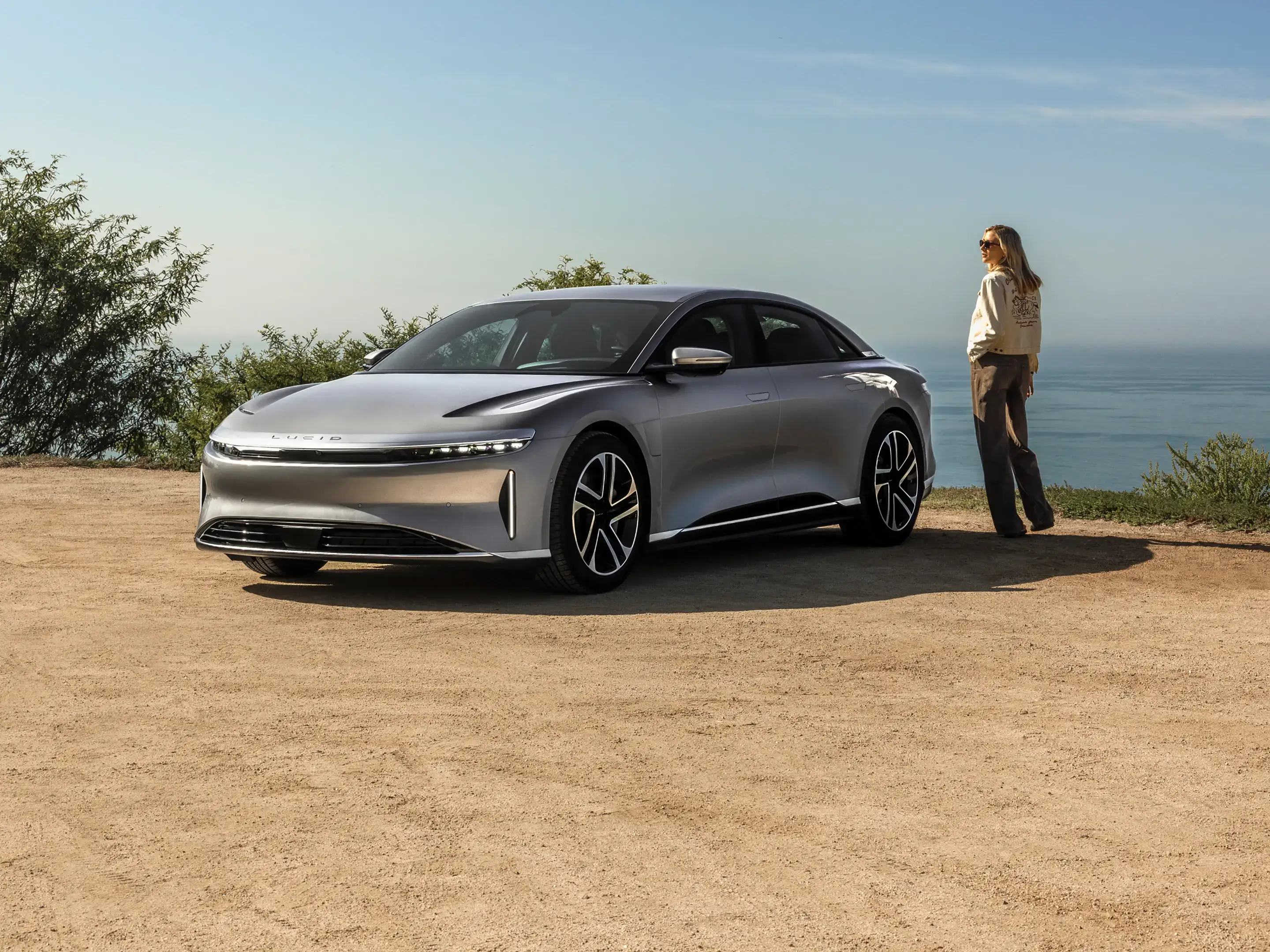
Lucid built 2,954 cars and delivered 3,806 in Q3 2026 as CEO Silvio Napoli clears inventory and resets costs. Here are the numbers and what they mean.
BMW's Gen6 batteries for the Neue Klasse are now in series production in Shenyang. Here's what's new, the 754-mile i3 test, and what it means for US buyers.

Photo by: BMW Group
BMW has started series production of its sixth-generation (Gen6) high-voltage batteries in Shenyang, China. These are the batteries behind its all-new Neue Klasse EVs, the most important vehicles BMW has launched in decades. On the same day, BMW announced that a Neue Klasse i3 drove 1,213 km (754 miles) on a single charge in a real-world road test. BMW says that's the longest distance any of its EVs has ever traveled on one charge.
Until now, most BMW EVs, like the iX, i4 and i5, have used prismatic battery cells packed into modules. Gen6 is a different design. It uses large cylindrical cells, similar in diameter to Tesla's 4680 format, and mounts them directly into the battery housing without modules. That saves weight and space, leaving room for more energy in the same footprint.
BMW says the result is more than 20% higher energy density than its previous cell generation, along with up to 30% faster charging and up to 30% more range. Paired with an 800-volt electrical system and BMW's sixth-generation electric motors, this is the technology BMW is counting on to catch up with Tesla and China's fastest-moving EV makers.
"The high-voltage battery is a key component of our all-electric vehicles."
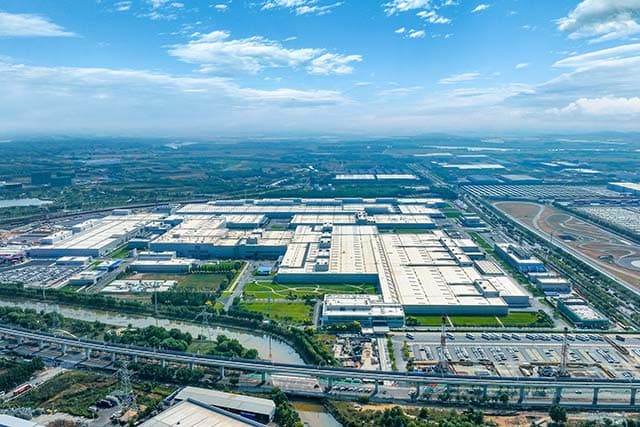
— Dr. Raymond Wittmann, BMW Board Member for ProductionShenyang, in northeastern China's Liaoning province, is BMW's largest production base in the world. The Gen6 battery project is a 10 billion yuan (about $1.49 billion) investment, part of a broader site conversion worth roughly €2.5 billion. Construction began in May 2023, and the battery facility is planned at 240,000 square meters, about five times BMW's existing battery production space there.
Shenyang will also build the other two core parts of BMW's sixth-generation electric drive. Trial production of the "Energy Master," the in-house control unit that manages the battery's power, started at the Shenyang powertrain plant in late September. That makes Shenyang the only BMW plant outside Germany that can build the Energy Master, and the only site worldwide that combines casting, motor, high-voltage battery and Energy Master production.

To mark the start of production, BMW announced that a Neue Klasse i3 50L, the long-wheelbase version built for China, covered 1,213 km on one charge on a mix of expressways, highways, rural roads and city streets. It finished with 1% battery left. The car has a 113.4 kWh battery and averaged 8.8 kWh per 100 km, which works out to about 7.1 miles per kWh, an exceptional efficiency figure for a sedan.
Even with those caveats, the efficiency is the real story. Averaging under 9 kWh per 100 km in mixed driving shows how far BMW has pushed its motors, aerodynamics and battery packaging with the Neue Klasse.
In China, the first Shenyang-built Gen6 batteries go into the long-wheelbase iX3, a China-only version that opened for pre-orders on August 21. Prices start at 269,900 yuan (about $39,800), and deliveries are scheduled to begin in November. The China-built i3 sedan will follow. Its driver-assistance system was developed with Momenta, and it has AI voice features built with Alibaba and DeepSeek.
| Gen6 battery plant | Country | Status |
|---|---|---|
| Debrecen | Hungary | In production (supplies iX3 for Europe and US) |
| Irlbach-Straßkirchen | Germany | In production |
| Shenyang | China | Series production started October 2026 |
| Woodruff, South Carolina | USA | Series production starting December 2026 (iX5) |
| San Luis Potosí | Mexico | Starting in the coming months |
Batteries from Shenyang aren't coming to the US. They're for cars built and sold in China. Neue Klasse cars sold in the US get Gen6 batteries from elsewhere. The iX3 sold outside China is built in Debrecen, Hungary, and BMW's new plant in Woodruff, South Carolina, starts Gen6 battery production in December 2026 for the iX5, built about 15 miles away at BMW's Spartanburg factory. The iX3 50 xDrive is listed at around $61,500 in the US, according to EVXL.
One open question: BMW hasn't confirmed where the cells for its US-built batteries will come from. Reports point to AESC's 46120 cylindrical cells, but AESC paused construction of its planned Florence, South Carolina, cell factory in June 2025, citing "policy and market uncertainty."
What is BMW's Gen6 battery?
It's the sixth-generation high-voltage battery for BMW's Neue Klasse EVs. It uses large cylindrical cells in a cell-to-pack design on an 800-volt architecture.
How much better is Gen6 than BMW's previous batteries?
BMW claims more than 20% higher energy density, plus up to 30% faster charging and up to 30% more range.
Which BMWs use the Gen6 battery?
The Neue Klasse models, starting with the iX3, followed by the i3 sedan and the iX5.
How far did the BMW i3 go on one charge?
1,213 km (about 754 miles) in a BMW road test in China, using a 113.4 kWh battery. It's not an official range rating.
Where are BMW Gen6 batteries made for the US?
BMW's Woodruff, South Carolina, plant starts series production in December 2026. US iX3 models are built in Hungary.
The bottom line: Gen6 is BMW's biggest step in battery technology since it started building EVs. With Shenyang online, BMW now builds the battery on three continents, with the US plant coming next. Take the 754-mile test with some skepticism, but the efficiency behind it is real. The Neue Klasse looks like the EV lineup that could finally make BMW a serious EV competitor.

Lucid built 2,954 cars and delivered 3,806 in Q3 2026 as CEO Silvio Napoli clears inventory and resets costs. Here are the numbers and what they mean.

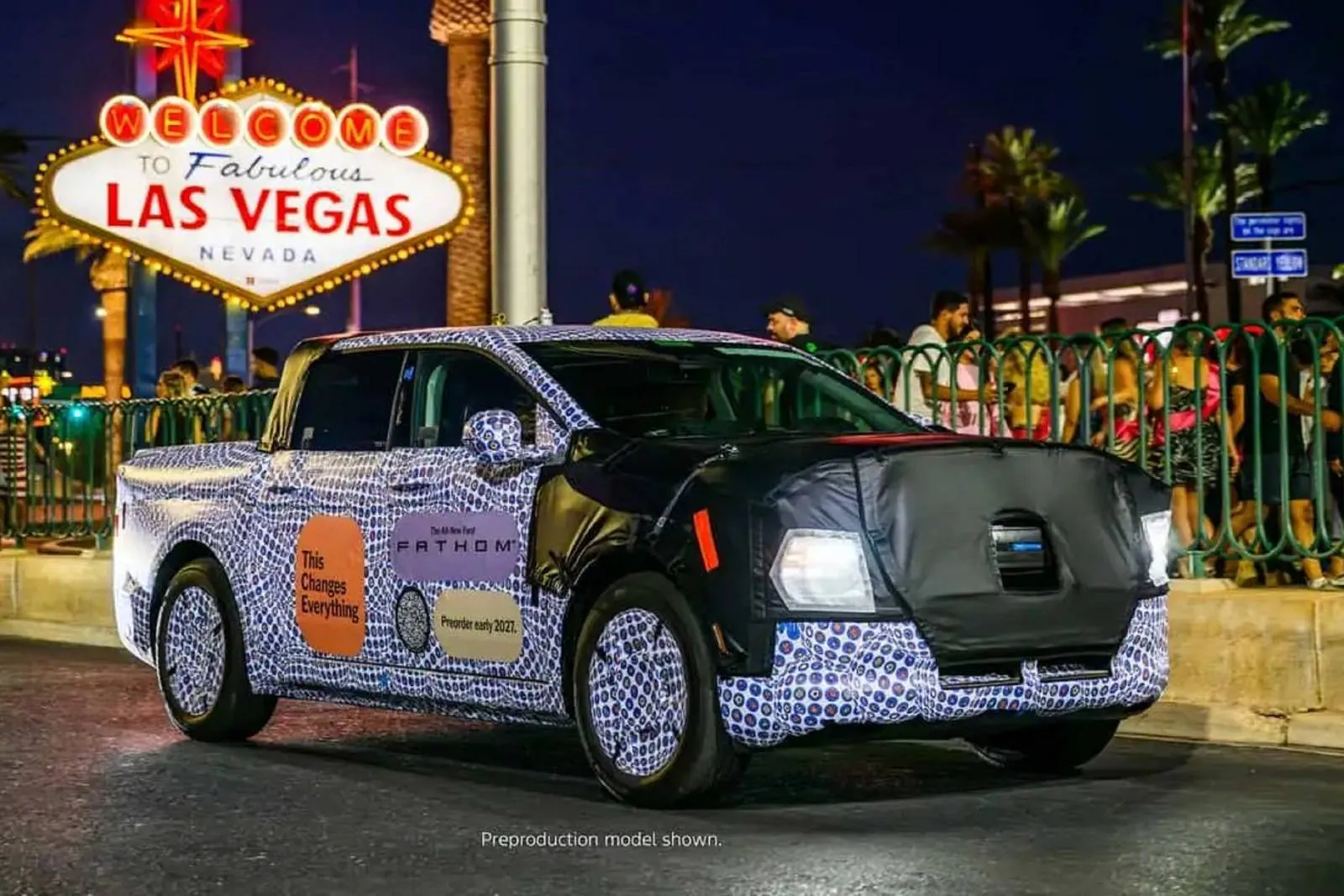
Ford opened a preorder invite list for the $28,350 Fathom electric pickup ahead of early 2027 preorders. How to sign up, what's confirmed and what isn't.

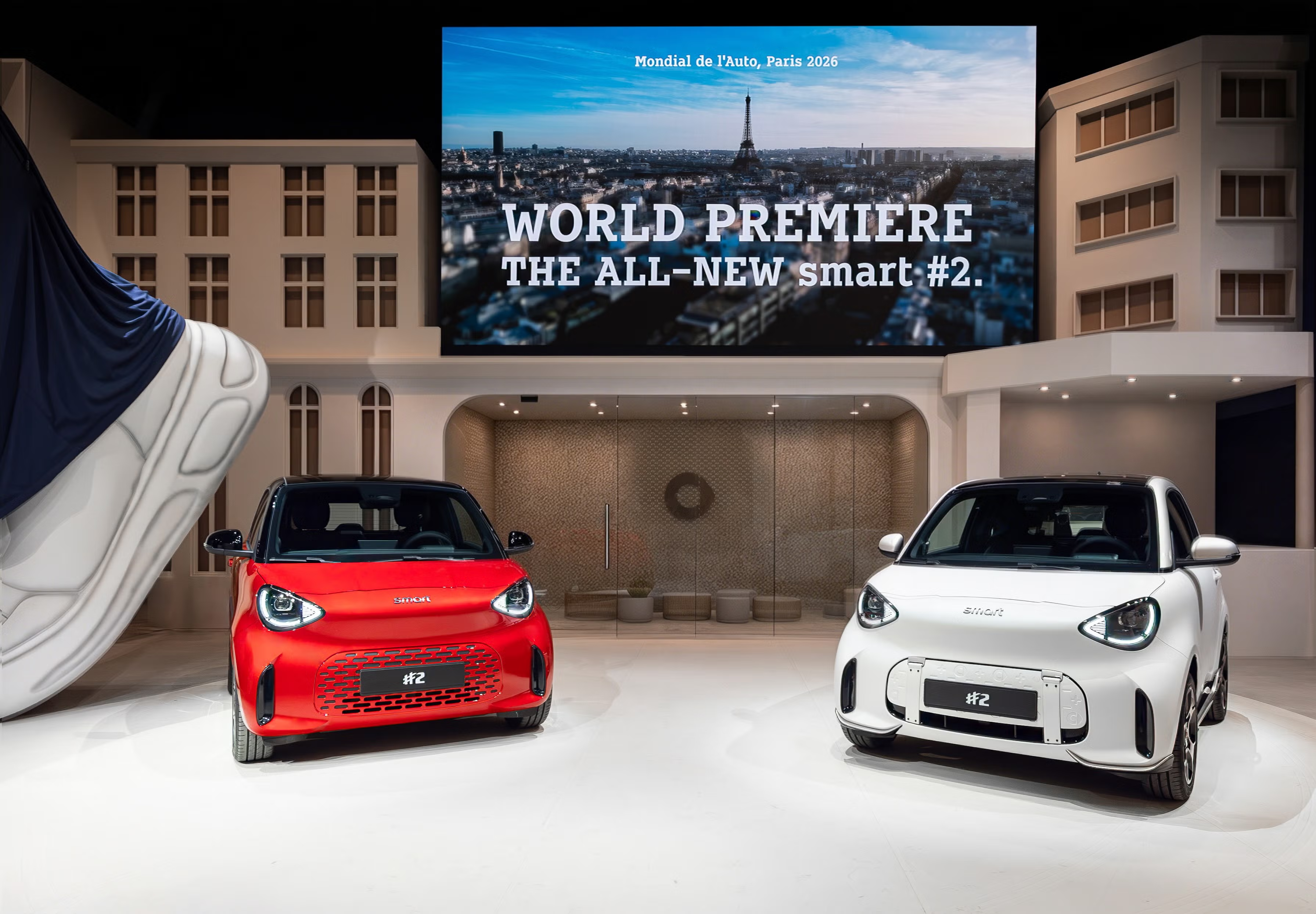
Smart's new #2 two-seater revives the Fortwo with a 35.8 kWh battery, up to 290 km of range and fast charging from €19,990. Specs, prices and US status.