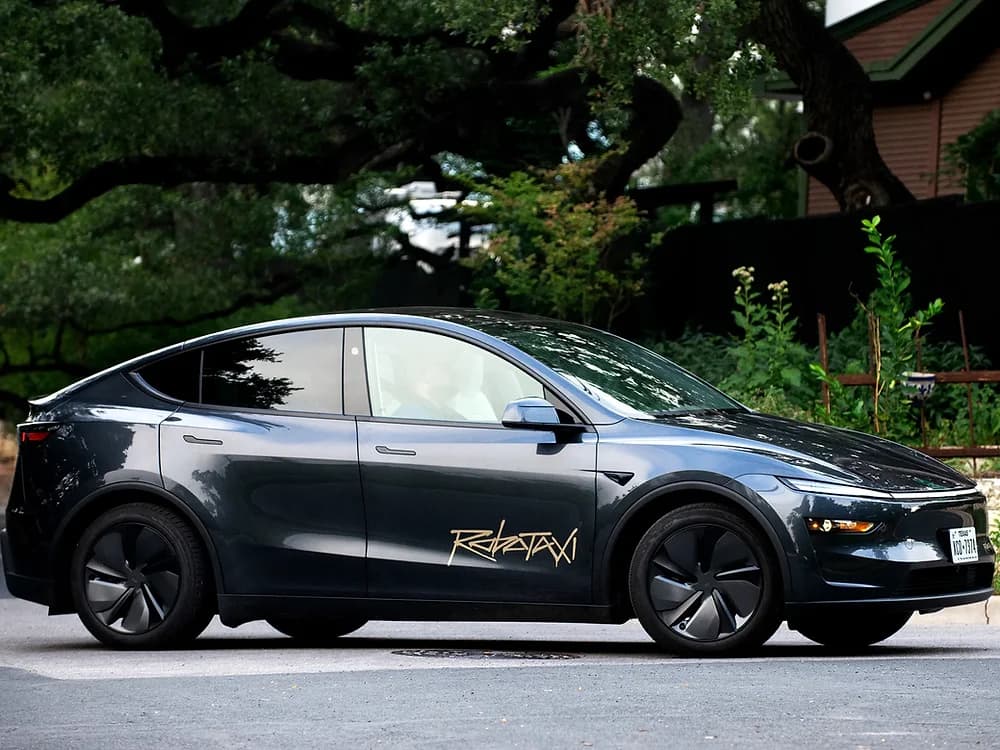
San Francisco, July 31, 2025 – In a significant development for the electric vehicle landscape, Tesla has expanded its ride-hailing service into the San Francisco Bay Area, following a recent launch in Austin, Texas. The expansion marks a major step in Tesla’s broader vision to deploy autonomous ride services across the United States, although regulatory barriers continue to limit its use of fully autonomous vehicles.
Tesla CEO Elon Musk announced the expansion via social media, stating, “You can now ride-hail a Tesla in the SF Bay Area, in addition to Austin.” The company confirmed that the new service covers major regions including San Francisco, San Jose, Fremont, and Berkeley.
What’s Available Today: Human-Driven Rides
Despite the long-term goal of deploying autonomous robotaxis, Tesla's Bay Area rollout is currently limited to human-driven vehicles. California regulations require that any autonomous vehicle service first undergo a pilot phase, during which companies cannot charge customers and must demonstrate safety compliance.
Tesla notified regulators that its Bay Area service will include rides for employees' friends and family as well as select public participants, but these will be operated by human drivers. The company’s vehicles may utilize Tesla’s Full Self-Driving (Supervised) technology, which can perform advanced driving tasks but still requires a driver to remain attentive and in control.
Regulatory Landscape
Tesla is currently navigating California’s complex regulatory environment. The company holds a permit to test self-driving vehicles with a safety driver, but it has not yet secured the necessary approvals to operate a commercial autonomous ride-hailing service.
The state's Public Utilities Commission requires companies to first complete a non-commercial pilot phase before they can apply for permits to transport paying passengers in autonomous vehicles. This process can take years and includes rigorous oversight to ensure public safety.
Expansion Strategy
The launch in the Bay Area aligns with Tesla’s larger strategy to roll out its ride-hailing and autonomous vehicle services across multiple states. CEO Elon Musk has previously indicated that the company aims to deploy robotaxi capabilities across at least half of the U.S. by the end of the year, pending regulatory approval.
While the Bay Area service currently relies on human drivers, it represents a critical stepping stone toward broader autonomous operations. Tesla is working to meet state requirements and is expected to pursue additional permits to eventually transition to a fully autonomous fleet.
Why It Matters
This expansion marks a pivotal moment not just for Tesla, but for the evolving future of transportation. With EV adoption rising and autonomous technology advancing, services like Tesla’s ride-hailing platform offer a glimpse into a future of smarter, cleaner, and more efficient mobility solutions.