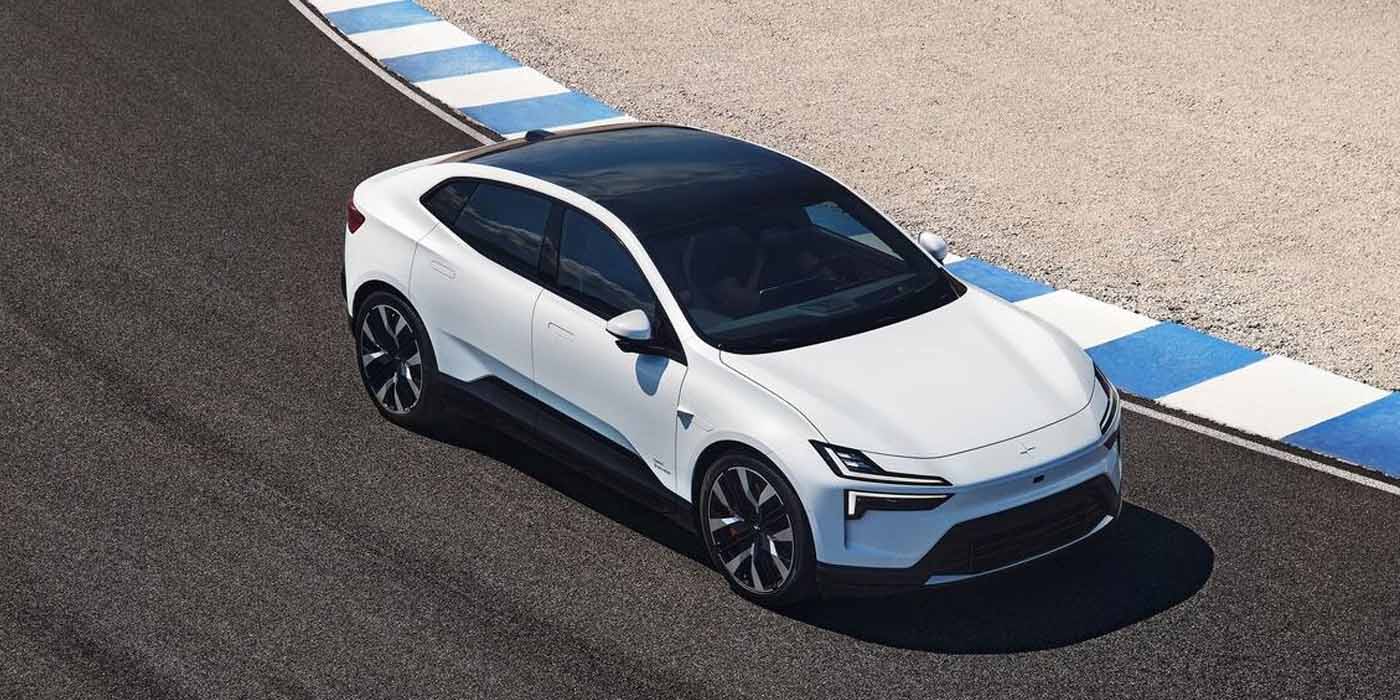
Polestar is out of the US market. The US Department of Commerce's Bureau of Industry and Security denied the Swedish EV brand authorization to sell vehicles from model year 2027 onward, citing the Connected Vehicle Rule — a sweeping regulation that blocks cars with ties to China or Russia from American roads. The company confirmed the decision on June 25, 2026.
Here's the part that stings: the Polestar 3 is built at a Volvo plant in Charleston, South Carolina. The Polestar 4 is assembled in South Korea. Neither car is made in China. But it doesn't matter — because Polestar is majority-owned by Geely, a Chinese conglomerate, and under this rule, ownership is what counts.
2027
Model year after which Polestar cannot sell new vehicles in the US
80%
Share of Polestar's retail sales that already come from Europe
94%
Share of Q1 2026 Polestar deliveries that came from outside the US
What the Connected Vehicle Rule Actually Does
The Connected Vehicle Rule was finalized in January 2025 by the Biden administration and prohibits cars with a "sufficient nexus" to China or Russia from the US market. The software ban kicks in for model year 2027 vehicles — which is exactly where Polestar got cut off. Hardware restrictions follow in 2030.
The rule covers a wide net of technology: telematics systems, cameras, microphones, GPS modules, Bluetooth, cellular connectivity, and automated driving software. The concern, as Washington framed it, is that Chinese-linked vehicles could harvest US driver data — location history, behavioral patterns, even audio — and transmit it back to Beijing. The Trump administration has doubled down on enforcement, casting the effort as protection for domestic manufacturing.
What the Connected Vehicle Rule covers
- Software ban: Model year 2027 — in effect now for Polestar
- Hardware ban: Model year 2030
- Technologies covered: Telematics, cameras, GPS, Bluetooth, cellular, automated driving systems
- Applies to: Gas, hybrid, and electric vehicles alike — not just EVs
- Trigger: "Sufficient nexus" to China or Russia — ownership, software sourcing, or supply chain links
The Volvo Problem
Here's the wrinkle that everyone is talking about. Volvo Cars is also majority-owned by Geely. Same Chinese parent company. And Volvo was granted authorization to keep selling in the US.
One Geely brand stays, the other goes. The distinction appears to come down to corporate structure and how deeply each brand's software and platform architecture is entangled with Geely's broader ecosystem. Polestar shares vehicle platforms and technology more tightly with Geely affiliates than Volvo does, and it's a smaller, more recently listed company with a thinner US footprint. Whatever the precise reasoning inside the Commerce Department, the Volvo-yes-Polestar-no split shows just how much discretion this rule carries — and how much uncertainty that creates for any automaker with Chinese investment somewhere in its chain.
"The automotive industry is entering a new phase, based on regional dynamics."
— Michael Lohscheller, Polestar CEO