Hyundai Kona Electric Airbag Recall: 29,058 EVs (2019-2023) Recalled Because Airbags May Not Deploy
Hyundai is recalling 29,058 2019-2023 Kona Electric EVs because an airbag control unit software fault can switch off the airbags. Here's the NHTSA campaign number, how to check your VIN, the free fix and what to do now.
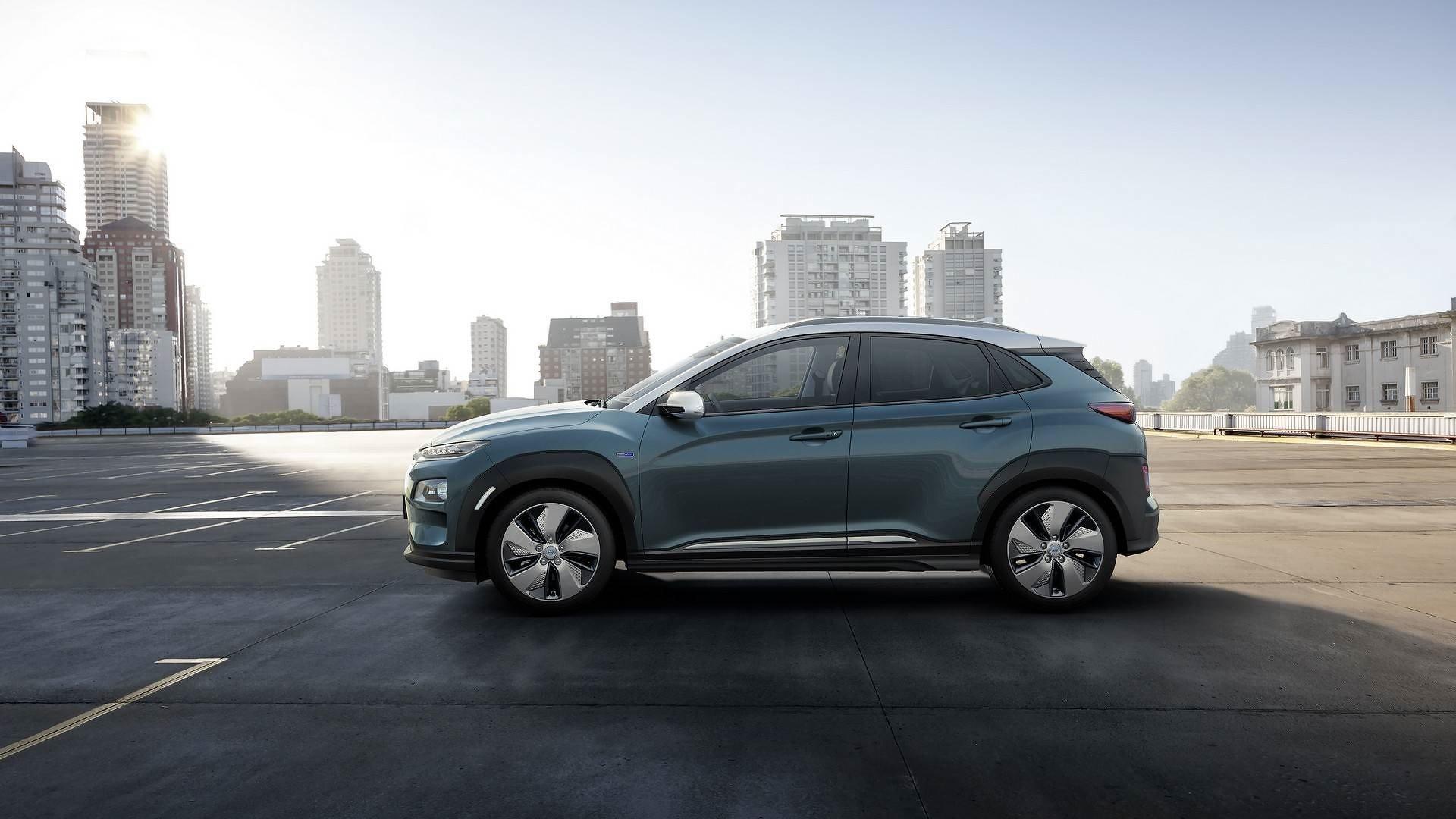
Photo: Hyundai, via Dennis Sylvester Hurd / Wikimedia Commons (public domain)
If you drive a first-generation Hyundai Kona Electric, the airbag warning light on your dashboard just became a lot more important. Hyundai is recalling 29,058 Kona Electric crossovers from the 2019 through 2023 model years because a software fault can switch off the airbag system, which means the airbags may not deploy in a crash.
The fix is a free software update at a Hyundai dealer. Owner letters are not scheduled to go out until January 1, 2027, so there is a gap of several weeks between the recall and the remedy notice. Here is what is wrong, which cars are covered, how to check your VIN and what to do in the meantime.
29,058
Kona Electric EVs recalled in the US
2019–2023
Model years affected (first generation)
331
Incidents Hyundai has logged in the US
0
Crashes, fires or injuries reported
Which Hyundai Kona Electric Models Are Recalled?
The recall covers the original Kona Electric, the small crossover that was one of the first affordable long-range EVs sold in the US. The redesigned second-generation Kona Electric, sold from the 2024 model year, is not part of this campaign. Hyundai's filing also includes 8,843 gas-powered Veloster N hatchbacks that use similar airbag control software, bringing the total to 37,901 vehicles.
Detail
Recall info
Model
Hyundai Kona Electric (first generation)
Model years
2019 through 2023
Built
August 28, 2018 to July 26, 2023, in South Korea
Kona Electric vehicles
29,058 (37,901 including Veloster N)
NHTSA campaign
26V728
Hyundai recall number
311
Part involved
Airbag control unit, part no. 95910-K4100 (supplier: ZF)
Remedy
Free airbag control unit software update at a dealer
Owner letters
Expected January 1, 2027, by certified mail
Hyundai estimates that about 1% of the recalled vehicles actually have the defect. That is a small share, but the consequence, an airbag that stays silent in a crash, is serious enough that every affected owner should get the update.
What Is Wrong With the Kona Electric Airbags?
Every modern car has an airbag control unit, a small computer that reads crash sensors and decides when to fire the airbags and tighten the seat belts. Like any computer, it routinely writes data to its internal memory.
According to Hyundai's Part 573 safety recall report filed with the National Highway Traffic Safety Administration (NHTSA) on November 2, the problem happens when that writing is interrupted. In Hyundai's words, "a system reboot or power interruption while the ACU is writing data to its internal memory may result in data corruption." When the stored data is corrupted, the airbag warning light comes on and the airbag system deactivates.
NHTSA's recall summary adds that the seat belt pretensioners, which pull the belts tight in the first instant of a crash, can be switched off as well. With both systems disabled, the risk of injury in a collision goes up.
What the fix does
Dealers update the airbag control unit software. No parts are replaced.
The new software keeps the last known valid data if a memory write is interrupted, so a power blip can no longer corrupt it.
The repair is free, even if your car is past its new-vehicle warranty.
Hyundai will reimburse owners who already paid out of pocket to fix this condition, under its reimbursement plan on file with NHTSA.
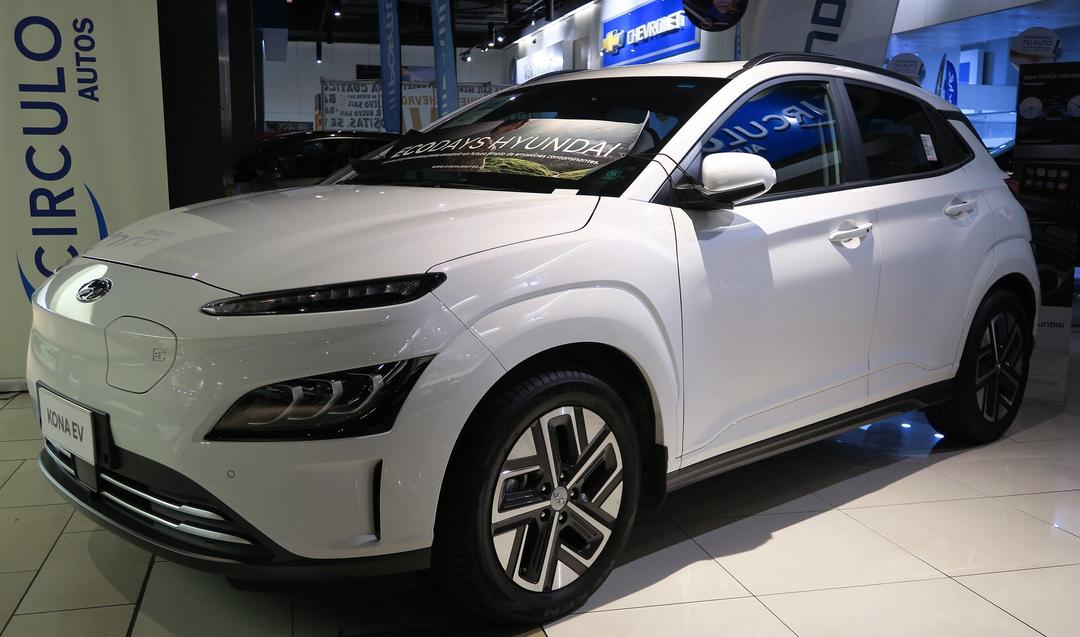
The facelifted first-generation Kona Electric, sold in the US for 2022 and 2023, is also covered. Photo: RL GNZLZ / Wikimedia Commons (CC BY-SA 2.0)
Advertisement
How Hyundai Found the Problem
This recall took more than two years to reach. The chronology in Hyundai's filing shows how hard the fault was to pin down:
August 19, 2024: Hyundai's North America Safety Office opens an investigation after spotting a rise in warranty claims for the airbag warning light.
September to December 2024: Five airbag control units pulled from North American vehicles go to supplier ZF for analysis.
May to August 2025: Hyundai and ZF run electrical stress tests across a wider voltage range to try to reproduce the failure.
September 2025 to August 2026: ZF cannot recreate the fault in a vehicle but can trigger it on a test bench.
September 18, 2026: Hyundai learns other models may use the same software, and the review expands to the Veloster N.
October 22, 2026: Hyundai decides to recall the vehicles.
By then, Hyundai had logged 331 unique incidents in the US between October 2019 and September 2026 alleging the condition. The company says there have been no crashes, fires or injuries tied to it.
Advertisement
How to Check Your Kona Electric VIN
Affected vehicle identification numbers became searchable on November 6. To check yours:
Find your 17-digit VIN on your registration, insurance card, or the lower corner of the windshield on the driver's side.
Enter it at nhtsa.gov/recalls, or use the recall lookup on Hyundai's owner site.
If your car is listed under campaign 26V728 (Hyundai recall 311), call a Hyundai dealer to ask when the update can be scheduled.
Questions can go to Hyundai customer service at 1-855-371-9460.
Until your car is updated
Watch the airbag light. The fault shows itself by turning on the airbag warning light. If it comes on and stays on, treat the airbags as possibly disabled and contact a dealer promptly.
Hyundai has not issued a do-not-drive or park-outside warning. NHTSA lists neither advisory for this recall.
Keep your address current. Letters go to the registered owner by certified mail. If you bought the car used or moved, update your details with Hyundai.
Used buyers: run the VIN before you buy a 2019 to 2023 Kona Electric, and ask the seller whether the update has been done.
Not the Kona Electric's First Recall
Longtime EV followers will remember that the Kona Electric was at the center of one of the industry's biggest battery recalls. In 2021 Hyundai recalled roughly 82,000 electric vehicles worldwide, most of them Kona Electrics, to replace battery packs after a series of fires. This new campaign is unrelated. It involves the restraint system, not the high-voltage battery, and the remedy is software, not hardware.
It is also a reminder that software is now a safety part. The airbags and sensors in these cars are physically fine. What failed was the code that manages them, and the fix is code too, though in this case it still requires a trip to the dealer because the update cannot be sent over the air.
"A system reboot or power interruption while the ACU is writing data to its internal memory may result in data corruption."
Hyundai Motor America, Part 573 safety recall report
The bottom line: If you own a 2019 to 2023 Hyundai Kona Electric, check your VIN at nhtsa.gov/recalls today. Only about 1% of the recalled cars are expected to have the fault, and no injuries have been reported, but the warning sign is easy to spot: an airbag light that stays on. If you see it, call a dealer rather than waiting for the January 1 letter. The software fix is free and does not require new parts.