Photo: General Motors
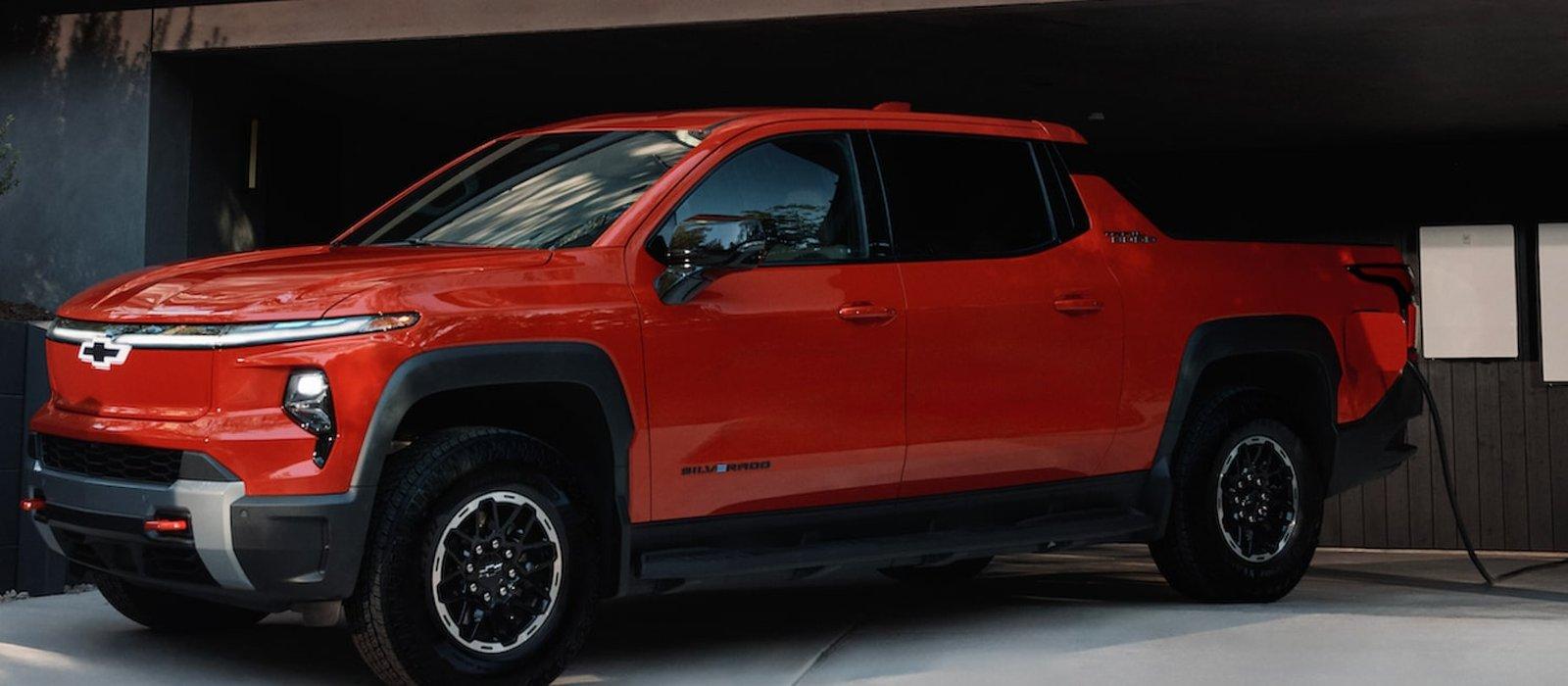
General Motors wants California EV owners to treat a parked truck as a small power plant. On November 19, GM Energy and software company WeaveGrid announced a vehicle-to-grid (V2G) pilot with select Southern California Edison (SCE) customers. GM says the people in it will be the first GM drivers in California to send EV power through their homes and back to the grid.
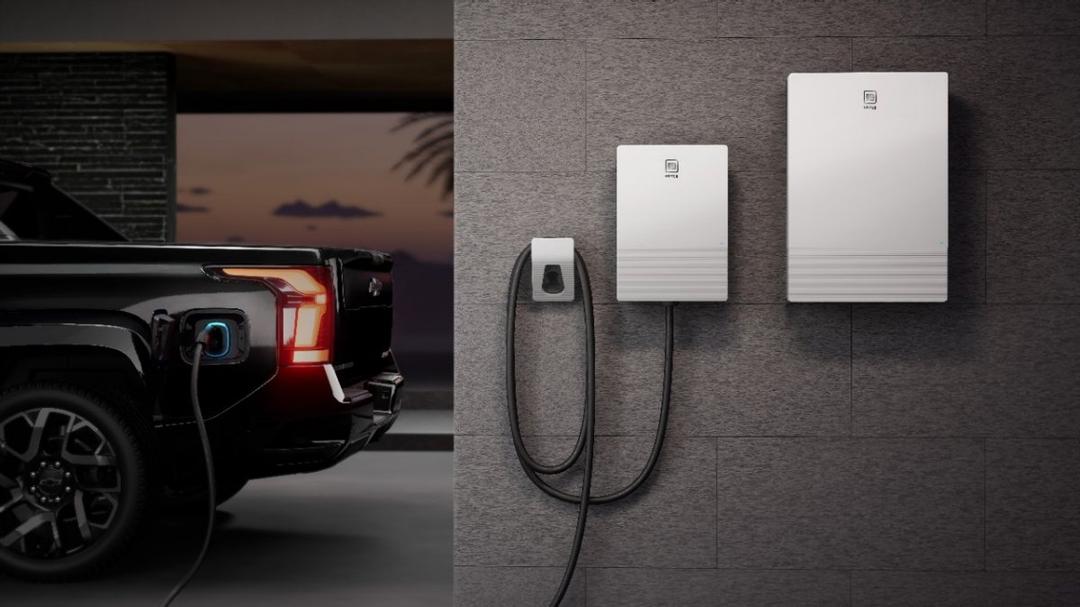
The money is the headline. Eligible SCE customers in the utility's Emergency Load Reduction Program (ELRP) can get up to $8,000 toward a GM Energy vehicle-to-home (V2H) system and up to $8,099 toward installation and grid connection, funded through the California Energy Commission. That is $16,099 in total, enough to cover most or all of a typical setup. Drivers can also be paid when they send power to the grid during demand-response events.
$8,000
Max toward a GM Energy V2H system
$8,099
Max toward installation and interconnection
9.6 kW
Backup power from the GM Energy V2H Bundle
Select
SCE customers only; no public sign-up yet
V2L vs. V2H vs. V2G: What's the Difference?
All three let energy flow out of an EV battery instead of only in. The difference is where it goes.
- V2L (vehicle-to-load): You plug tools or appliances straight into outlets on the vehicle. No home wiring needed.
- V2H (vehicle-to-home): The EV powers your house through special equipment, usually during a blackout. The home is cut off from the grid while this happens.
- V2G (vehicle-to-grid): The EV sends power through your home and out to the utility grid, with the utility's permission. This is what can earn money.
GM also separates V2G from managed charging. Managed charging only changes when your car charges. GM Energy offers managed charging programs through 13 utilities, with bill credits or incentives that vary by utility. V2G goes a step further and pushes energy back out.
How the SCE Pilot Pays Drivers
GM did not publish a payment rate for the pilot. It said only that participants can use time-of-use energy management and join eligible demand-response events "which may pay them for sending energy to the grid," and that actual savings and payments depend on eligibility, usage, rate plans, participation and program terms.
ELRP itself has published rules. SCE says the program pays a bill credit of $2 per kWh of incremental load reduction during an event. Events can be called from May 1 to October 31, between 4 p.m. and 9 p.m., any day of the week. The California Public Utilities Commission caps events at five hours a day and 60 hours a year, and ELRP runs as a pilot through 2027.
For a rough sense of scale: an EV sending 9.6 kW for a full hour would deliver about 9.6 kWh, worth roughly $19 at $2 per kWh. Real earnings will depend on how many events SCE calls, how long they last and how much the car actually exports.
Before you get excited
The pilot is limited to select SCE customers already in ELRP. GM and WeaveGrid have not posted a public enrollment page. Sending power to the grid also requires utility interconnection approval and Permission to Operate, which the California Energy Commission says must be in place before any export.