Tesla Q3 2026 Earnings: FSD Hits 1.74M Subscribers, Cybercab Comes to Dallas, and Optimus Production Begins
Tesla beat on profit with $0.48 EPS on $28.05B revenue. FSD subscriptions jumped 67%, Cybercab launches in Dallas in November, and Optimus production began.
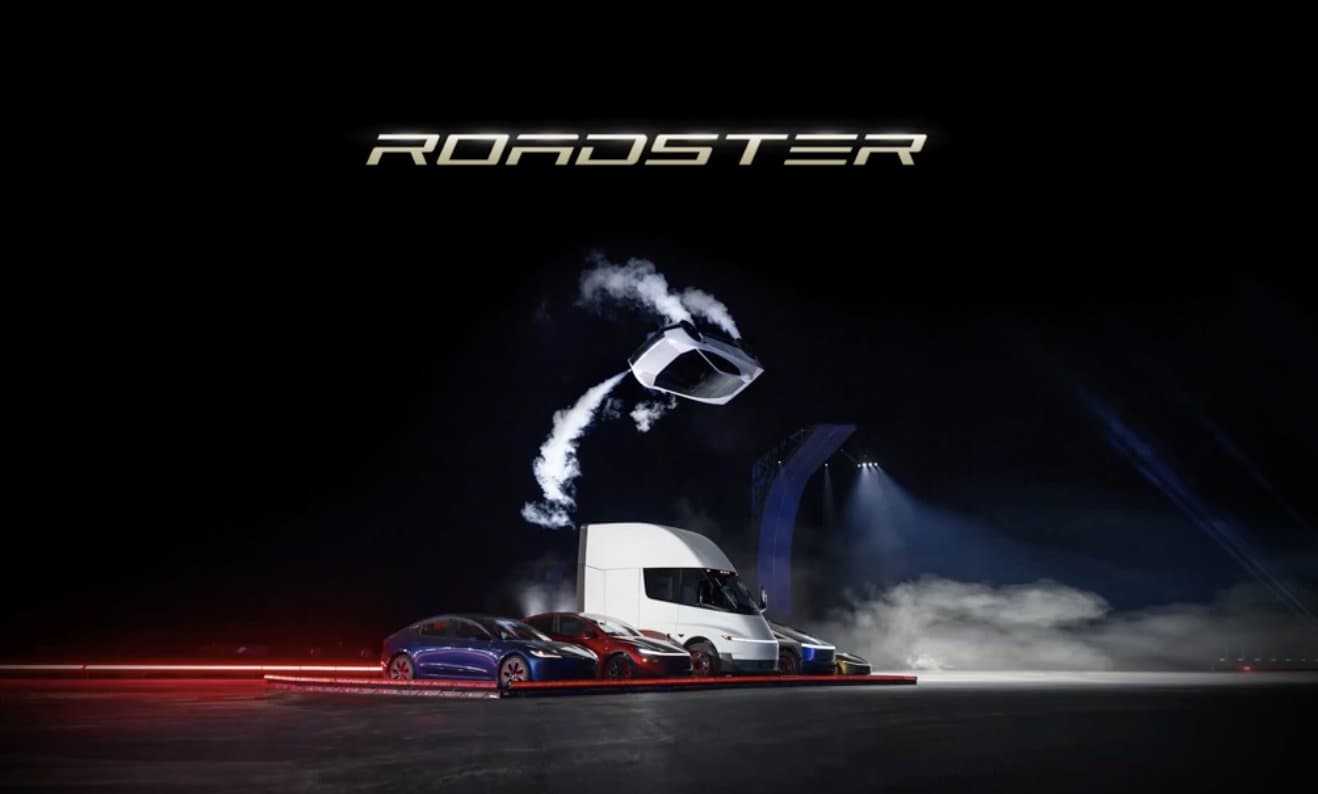
Image: Tesla livestream, Roadster reveal, Oct. 15, 2026
Tesla's Q3 2026 earnings had a little of everything: a profit beat, flat revenue, record Full Self-Driving growth, and a long list of autonomy and robot milestones. The headline for drivers here in Texas: Tesla plans to launch public Cybercab rides in Dallas next month. Here's everything that matters from the report and the earnings call.
$28.05B
Revenue, flat year over year
$0.48
Adjusted EPS, vs. ~$0.45 expected
1.74M
Active FSD subscriptions, up 67%
Q3 2026 at a glance
Adjusted EPS of $0.48 beat estimates; revenue of $28.05B was roughly in line
FSD subscriptions hit 1.74 million, with a record 260,000 added in the quarter
More than 75% of new North American deliveries included a paid FSD subscription
Largest passenger-vehicle order backlog in four years
Cybercab public rides launch in Dallas in November 2026
Optimus production has started on Fremont's high-volume line
2026 capex guidance cut to about $20B, from about $25B
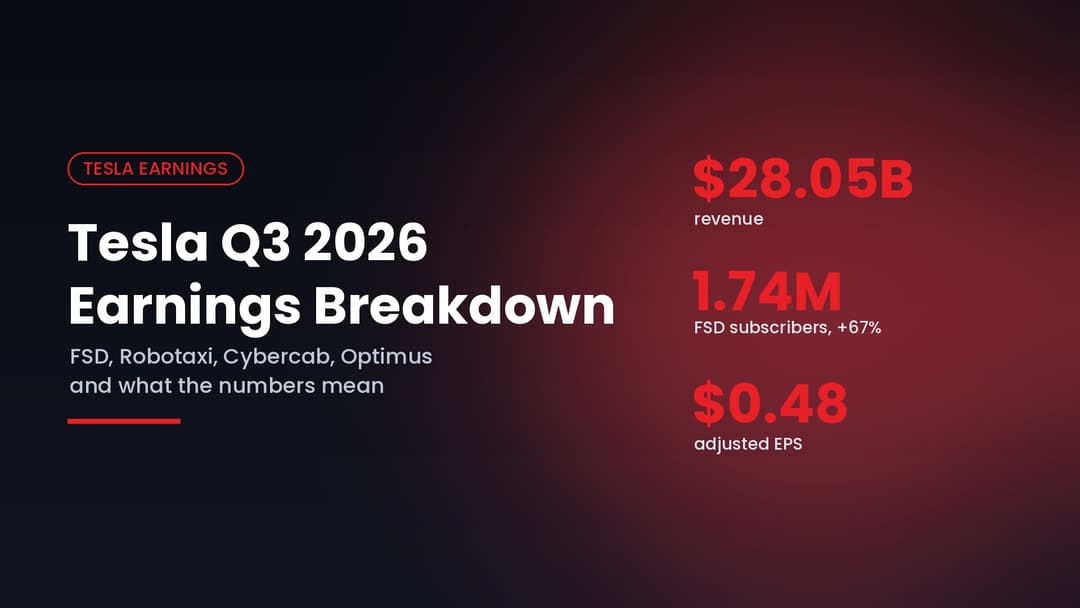
Tesla Q3 2026 by the numbers. (Graphic: Learn My EV, data from Tesla)
The Financials
Metric
Q3 2026
Q3 2025
Change
Total revenue
$28.05B
$28.10B
Flat
Automotive revenue
$20.56B
$21.21B
−3%
Energy revenue
$2.88B
$3.42B
−16%
Services and other revenue
$4.61B
$3.48B
+33%
GAAP gross margin
19.6%
18.0%
+1.6 pts
Operating income
$718M
$1.62B
−56%
GAAP net income
$787M
$1.37B
−43%
Adjusted EPS
$0.48
$0.50
−4%
Free cash flow
$1.53B
$3.99B
−62%
Capital expenditures
$4.73B
$2.25B
+110%
Cash and investments
$45.45B
$41.65B
+9%
Source: Tesla Q3 2026 shareholder update.
The story in the numbers: Tesla's core business got more profitable. Gross margin rose to 19.6%, and auto gross margin reached 18.5%. But operating expenses jumped 39% to $4.78 billion and capital spending more than doubled as Tesla pours money into AI training compute, Robotaxi, Cybercab and Optimus. That's why operating income fell 56% even as margins improved. Energy's gross margin climbed to 33%, though analysts note that was helped by one-time tariff refunds and warranty adjustments.
FSD Is Becoming a Real Business
Full Self-Driving (Supervised) was the standout. Active FSD subscriptions, which Tesla counts as both upfront purchases and monthly subscriptions, reached 1.74 million, up 67% from 1.04 million a year ago. Tesla added about 260,000 in the quarter, its most ever, or roughly 2,800 new FSD customers a day.
Quarter
Active FSD subscriptions
Q3 2025
1.04M
Q4 2025
1.10M
Q1 2026
1.28M
Q2 2026
1.48M
Q3 2026
1.74M
Even more striking: Tesla says more than 75% of new North American deliveries included a paid FSD subscription signup in Q3, up from 55% in Q2, even though every new car already comes with a free one-month trial. Tesla says customers are now visiting showrooms specifically to try FSD rather than to shop for a particular model. Tesla plans to start disclosing more FSD metrics, including subscription revenue and churn, as the business grows. Based on the subscriber count, Tesla watchers estimate FSD is already bringing in around $90 million a month.
"We believe that FSD is driving demand in markets where it is available, and we continue to work with regulators to get it approved in other markets."
— Tesla, Q3 2026 shareholder update
On Europe, Elon Musk said Tesla hopes for EU-wide FSD approval within a few months and would be surprised if it takes longer than Q1 2027, though the timing is up to regulators.
Demand Is Outrunning Production
Tesla delivered 486,532 vehicles in Q3 (see our full deliveries breakdown) and built 464,391. It ended the quarter with its largest passenger-vehicle order backlog in four years, and global inventory fell to just 11 days of supply. That lines up with what buyers are seeing, like the Model Y L sold out into 2027.
"Demand is growing rapidly for our vehicles, and exceeding our production."
— Elon Musk, Q3 2026 earnings call
Tesla says battery availability is the main thing limiting how many cars it can build, and it's working to secure more supply. Musk also restated a long-term target: 5 million vehicles a year by 2030, roughly 2.5 times today's pace.
Advertisement
Robotaxi: Dallas Gets Cybercab Next Month
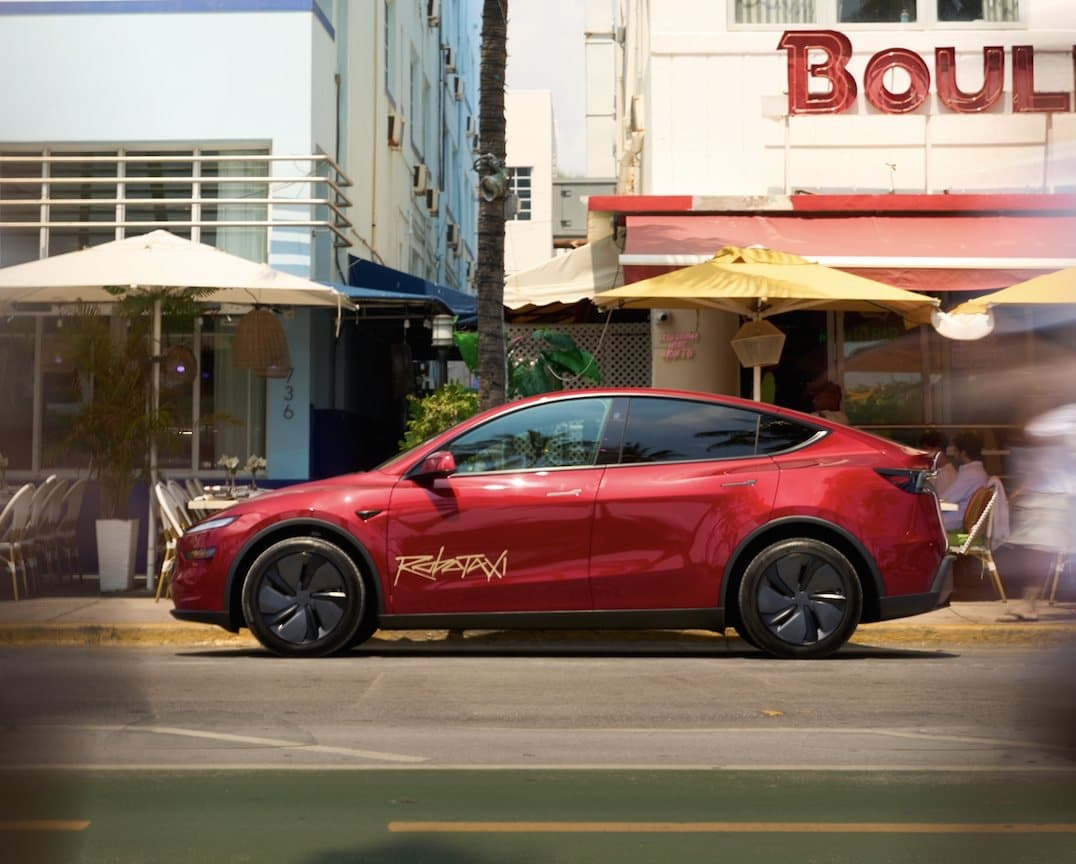
The biggest autonomy news for Texas: Tesla says it will launch unsupervised Cybercab rides for the public in Dallas in November 2026, with more cities to follow. Dallas is already Tesla's second-biggest Robotaxi market, with more than 600,000 driverless miles so far.
Fleet growth: Tesla's unsupervised Robotaxi fleet is now averaging about 80,600 miles a day, and has passed 3 million driverless miles (see our Robotaxi safety report breakdown)
24/7 service: Tesla is extending operating hours, aiming for round-the-clock service by the end of 2026
More roads: Expansion to highways, higher-speed roads, more weather conditions and nighttime operation is targeted by the end of 2026
Customer cars in the network: Tesla expects some customer-owned vehicles running FSD Unsupervised to join the Robotaxi network around Q2 2027, in select US areas
Financial impact: Musk expects Robotaxi to start making a noticeable contribution to results around Q2 2027, and to become a significant business by late 2027
Cybercab: First Deliveries by Year-End
Cybercabs are already being built on Tesla's line in Texas, but all of them are currently going into Tesla's own Robotaxi fleet. Tesla is targeting its first Cybercab deliveries to fleet-owner customers by the end of 2026, starting small.
"Cybercab is primarily something that is offered as transport as a service, whereas our other cars would be more the cars that you'd want to own, like Model 3/Y and Roadster."
— Elon Musk
In other words, don't expect to buy one for your driveway. Musk said the vast majority of Cybercabs will be owned and operated by Tesla. Businesses interested in running a fleet can fill out an interest form Tesla introduced in September.
Optimus: Production Has Started, Slowly
Tesla says it has officially started producing Optimus humanoid robots on its high-volume line in Fremont, calling them "the first production quality bots that we have manufactured." Most of the equipment for a line designed to build about 1 million robots a year is already installed. Musk was careful to set expectations:
"The growth of Optimus is an S curve, but the initial curve is a shallow slope. There's still quite a lot of work to do with the AI in the robot... I do want to temper expectations that we still have a lot to get through, it will take about a year to get through that."
— Elon Musk
Reaching a 1-million-per-year pace (about 20,000 a week) will take at least another year, possibly longer
An Optimus V3 demo showing AI-driven tasks, not preprogrammed moves, could come within one to two months
Tesla is targeting mid-2027 to put its AI5 chip into Optimus
Production costs are trending toward Cybercab's expected cost, though the design is still changing
Advertisement
AI Chips, Compute and Terafab
AI5 chip: Musk says Tesla's next-gen AI5 could start shipping to customers in late 2027. Tesla claims about 50x total improvement over AI4, including 10x raw compute and 9x memory
Training compute: Tesla plans to reach 400 MW of AI training compute by the end of 2026, up from about 270 MW today
Terafab: Tesla's planned chip fab in Austin is under construction, with equipment commissioning in 2027, first experimental chips around May–June 2027, and useful volume production targeted around Q3 2028
Tesla-built maps: Tesla is developing its own AI-based maps and navigation using fleet data, with conversational voice commands, personalized routing and smarter parking
Energy and Supercharging
Tesla deployed 13.7 GWh of energy storage in Q3, up 10%, and says its 2027 Megapack production capacity is nearly sold out. It expects higher Megapack prices and further margin gains as production grows. The Supercharger network grew to 8,904 stations and 84,465 connectors, up 15% and 14% from a year ago.
The other side of the report
Operating income fell 56% and GAAP net income fell 43%, as spending on AI and new products surged
Free cash flow dropped 62% to $1.53B
Deliveries were down 2% year over year, and energy revenue fell 16%
FSD Unsupervised for customer cars is now a 2027 target, and Musk's autonomy timelines have slipped many times before
Part of energy's margin jump came from one-time tariff refunds
Tesla Q3 2026 Earnings FAQ
Did Tesla beat earnings in Q3 2026? Yes on profit. Adjusted EPS was $0.48 versus about $0.45 expected. Revenue of $28.05 billion was roughly in line with estimates.
How many FSD subscribers does Tesla have? 1.74 million active FSD subscriptions at the end of Q3 2026, up 67% year over year.
When is Cybercab launching in Dallas? Tesla says public, unsupervised Cybercab rides will launch in Dallas in November 2026.
When will FSD Unsupervised come to customer cars? Tesla expects some customer-owned cars to join the Robotaxi network around Q2 2027, in select US areas.
Has Tesla started making Optimus robots? Yes. Early production has started on Fremont's high-volume line, but Musk expects about another year of work before reaching high volume.
The bottom line: Tesla's Q3 showed a car business that's more profitable and supply-limited, and an FSD business that's growing faster than ever. Profits are being squeezed by heavy AI and robotics spending, which is a bet on Robotaxi, Cybercab and Optimus paying off in 2027 and beyond. The first real test is right here: Cybercab in Dallas, next month.