November 17, 2026·6 min read·By Learn My EV

Tesla Cybercab Has 8 Crashes in NHTSA Data: 4 Driverless at 5 MPH or Less, and a 53 MPH Highway Crash With a Test Driver

Tesla's Cybercab has 8 crashes in NHTSA data: 4 driverless Austin crashes at 5 mph or less, and 4 Level 2 test-driver crashes, including 53 mph in Philadelphia, with narratives redacted.

Tesla Cybercab Has 8 Crashes in NHTSA Data: 4 Driverless at 5 MPH or Less, and a 53 MPH Highway Crash With a Test Driver

Image: @robotaxi on X

Tesla's Cybercab now has eight crashes on file with federal safety regulators, about two months after the two-seat robotaxi started giving public rides in Austin on September 4. The newest NHTSA crash data splits them neatly in half, and the two halves tell very different stories.

Four happened while the Cybercab was driving itself in Austin. None was faster than 5 mph and no one was hurt. The other four happened in September with a Tesla test driver aboard and a Level 2 driver-assist system engaged, in four different states. One was at 53 mph on a Philadelphia highway, and two involved injuries. Tesla redacted the written description of every one of those four.

8
Cybercab crashes in NHTSA's crash database
5 mph
Top speed in the 4 driverless Cybercab crashes
53 mph
Speed in the Philadelphia test-driver crash
2
Crashes with injuries, both with Level 2 engaged

Electrek first reported the crashes on November 16. Learn My EV downloaded NHTSA's current Standing General Order (SGO) crash files and checked every record. The figures below come straight from that data.

Level 2 vs. ADS: Why the Cybercab Is in Two Datasets

NHTSA's crash-reporting order splits automated driving into two buckets:

  • ADS (Automated Driving System): the car drives itself, and no one in it is expected to take over. This is Tesla's driverless Robotaxi service. Companies must report almost every ADS crash, even minor bumps.
  • Level 2 ADAS (driver assistance): the system steers, brakes and accelerates, but a human driver must watch the road and stay in charge. Tesla's FSD (Supervised) and Autopilot fall here. Level 2 crashes only have to be reported when they are serious: a death, a hospital trip, a pedestrian or cyclist hit, an airbag deployment or a vehicle towed.

So how does a car with no steering wheel end up in the driver-assist file? Tesla has been testing Cybercab prototypes that do have steering wheels and pedals. Electrek reported sightings of steering-wheel Cybercabs in Austin back in December 2025, and says these test units run with a human behind the wheel, often in places where Tesla has no Robotaxi permit. In NHTSA's data, all four Level 2 Cybercab reports list the operator as "In-Vehicle (Commercial / Test)," the source as "Testing," and the system as "Verified Engaged."

The 4 Driverless Cybercab Crashes in Austin

All four are in Austin, and Tesla left the narratives public. In two of them, another driver hit the Cybercab while it was stopped.

Report IDDateWhereSpeedWhat happened
13781-16672Aug. 2026Parking lot5 mphDrove into a large, water-filled pothole; safety monitor aboard, no passengers
13781-16733Sept. 2026Parking lot0 mphStopped at the lot exit; a car backing out of a parking spot hit its side
13781-16941Sept. 2026Street0 mphStopped in traffic and rear-ended by a pickup truck; no passengers
13781-17178Sept. 2026Parking lot3 mphDrove over a raised concrete edge, across a sidewalk and down a curb with one rider aboard

Source: NHTSA Standing General Order ADS incident data. All four list property damage only, with no injuries reported.

The other two, the pothole and the curb, were the Cybercab's own driving mistakes, both at walking pace.

Advertisement

The 4 Level 2 Test Crashes, Speeds and Injuries

All four happened in September 2026 with a test driver aboard. Here is what NHTSA's data shows:

Report IDCityRoadSpeedOther vehicleInjuries
13781-16881Philadelphia, PAHighway53 mphPassenger carUnknown
13781-16964Austin, TXHighway5 mphSUVMinor, hospitalized
13781-16524Lehi, UTIntersection11 mphSUVMinor, not hospitalized
13781-16583Tampa, FLHighway0 mph (stopped)Passenger carProperty damage only

Source: NHTSA Standing General Order ADAS incident data. Investigating agencies: Pennsylvania State Police, Austin Police, Lehi Police and Florida Highway Patrol.

The damage codes add useful detail, and they don't all point at the Cybercab:

  • Philadelphia (2:19 a.m.): the Cybercab's front left struck the rear of a passenger car. The other car's airbags deployed and both vehicles were towed. What the other car was doing is listed only as "Other, see narrative," and the narrative is redacted.
  • Austin: the Cybercab took damage to its front left, front right and rear right, and both vehicles were towed. Someone was hospitalized with minor injuries.
  • Lehi: the Cybercab was turning right at 11 mph when the front of an SUV going straight hit its rear right corner. The SUV's airbags deployed.
  • Tampa: the Cybercab was stopped on a wet highway when the other car's front right hit its rear right.

The data doesn't assign fault. The Tampa crash and probably the Lehi crash look like the other vehicle made contact with the Cybercab. Only the Philadelphia crash clearly shows the Cybercab running into another car at speed.

What Tesla redacted

For all four Level 2 Cybercab reports, Tesla marked three fields as confidential business information: the crash narrative, the software version and whether the car was inside its designed operating conditions. The four driverless Cybercab reports, by contrast, keep the narrative public. Street addresses, GPS coordinates and serial numbers are withheld in every report as personal information.

The Philadelphia highway crash is not the same event as the October crash on Broad Street, where Electrek says a Cybercab lost a door panel. Tesla doesn't have a permit to run automated vehicles in Pennsylvania and doesn't offer Robotaxi in Utah.

Advertisement

Tesla's Robotaxi Data Tops Out at 29 MPH

The speed gap is the real story. We counted 43 unique Tesla reports in NHTSA's current ADS file (39 Model Ys and 4 Cybercabs), and they confirm Electrek's numbers:

  • Highest speed: 29 mph. A driverless Model Y with two riders hit a pothole near a Dallas work zone in September 2026. One rider said they sought medical care.
  • Median speed: 1 mph.
  • Where: 21 on streets, 15 in parking lots, 7 at intersections, and none on a highway.

For context, Waymo's 1,441 reports in the same file include 28 on highways or freeways, at speeds up to 65 mph. Waymo runs a far bigger fleet, so the raw counts don't compare. But it shows Tesla's driverless record so far comes from slow, local driving.

That matters for Tesla's Robotaxi safety report, which claims 3.1 million driverless miles with zero injuries. By Electrek's reading, those numbers leave out the Cybercab test fleet and any miles with a safety monitor aboard. The Level 2 crashes are a different mode with a human in charge, so they don't contradict Tesla's driverless claim. But they are the only public look at how the Cybercab does at highway speeds, and the key details are blacked out.

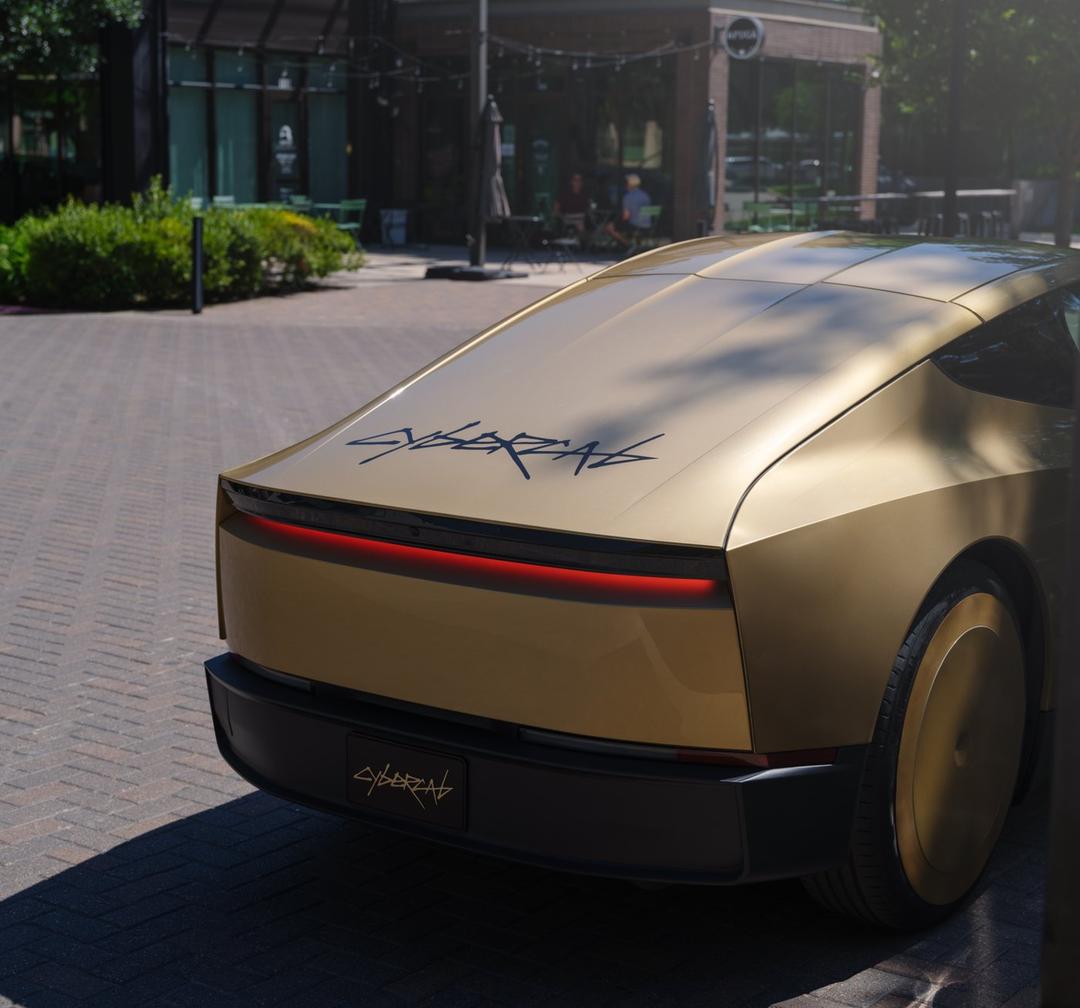
Gold Tesla Cybercab robotaxi rear view parked on a brick street in Austin, Texas
Every driverless Cybercab crash so far happened in Austin, at 5 mph or less. Image: @robotaxi on X

What It Means for Cybercab Buyers

Tesla is taking invite-only orders for the $29,990 Cybercab, with deliveries estimated to start in December. Buyers must take delivery in one of five Texas cities, and the car only drives inside Tesla's Robotaxi zones.

  • Driverless crashes so far are minor. Inside the Austin service area, the Cybercab's four driverless crashes were all at walking pace with no injuries, and two weren't its fault.
  • Highway driving is unproven. No Tesla ADS crash report comes from a highway. The only highway-speed Cybercab data comes from supervised test cars, and Tesla redacted what happened.
  • The sample is small. Eight reports in a few months says little about long-term safety either way. Watch NHTSA's monthly releases as the fleet grows past the 300-plus Cybercabs Tesla says it runs in Austin.

The bottom line: NHTSA's data backs up Electrek's count: eight Cybercab crashes, four driverless ones at 5 mph or less, and four with a test driver, including a 53 mph highway crash and two with injuries. The driverless record is clean but slow. Until Tesla lifts the redactions or runs driverless Cybercabs at higher speeds, buyers and riders can't judge how it handles a highway.

Related: Tesla's Robotaxi safety report · Cybercab's real cost to buy · MKBHD's Cybercab bet with Musk

Advertisement