What to know before reserving
Things to keep in mind
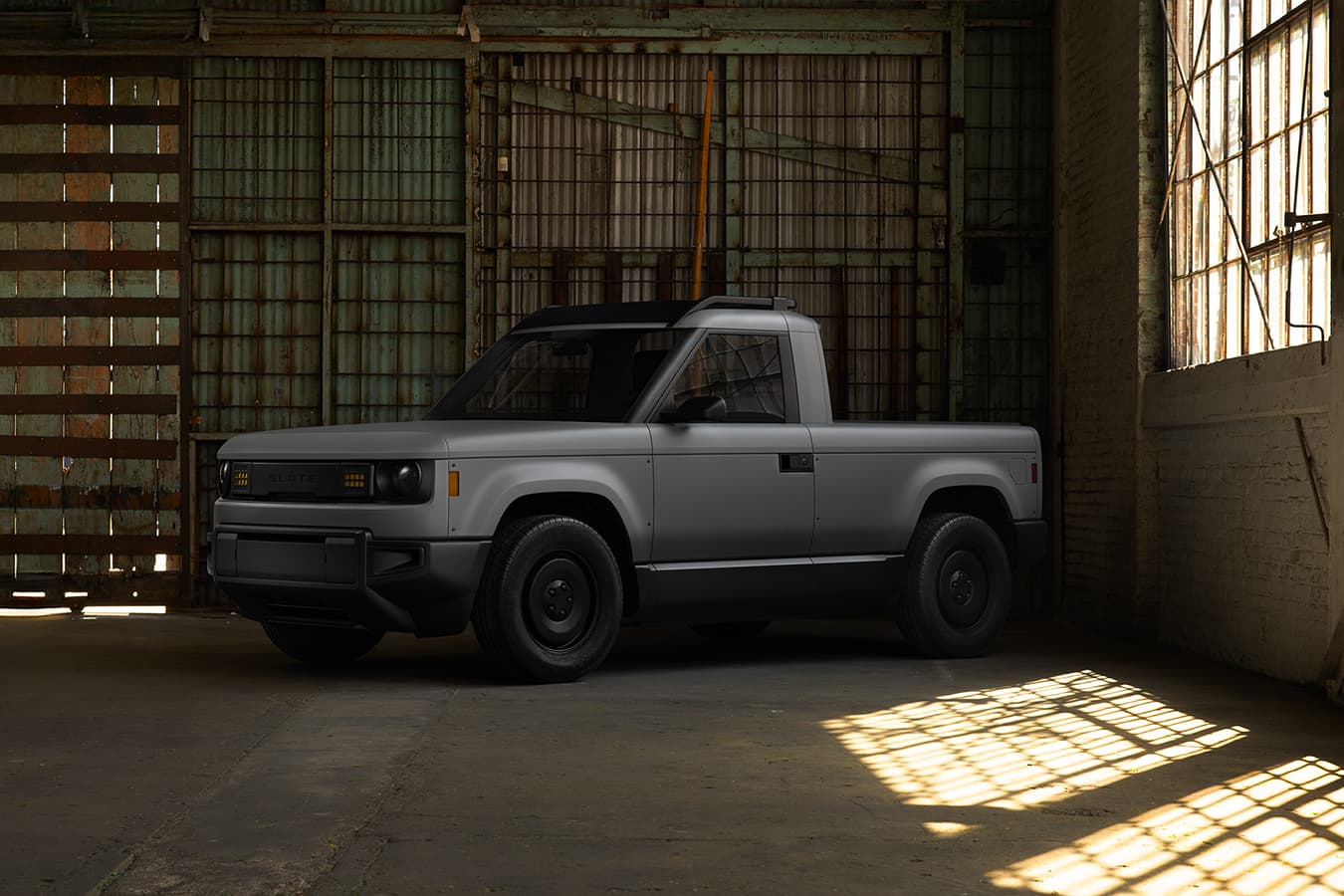
- The $24,950 base price is the "Blank Slate" — minimal trim. Most buyers will add accessories, wraps, or body kits that will raise the final cost.
- Q4 2026 deliveries are a target, not a guarantee. First deliveries from new EV startups frequently slip — plan accordingly.
- The 90 mph top speed and 8.0-second 0-60 time make this a practical daily truck, not a performance vehicle.
- RWD only at launch — no AWD option has been announced yet.
- 205 miles of range is sufficient for most daily use but should be considered if you regularly take long highway trips without DC fast charger access.
- The 2,000-lb tow rating is lighter than most gas trucks. Check your specific towing needs before committing.
- Slate is a new company. Unlike Tesla or Ford, it does not have years of manufacturing scale behind it. Quality and delivery execution are unknowns until vehicles reach customers.
The bigger picture
Every major electric truck on the market today — the Lightning, the Silverado EV, the Rivian R1T, the Cybertruck — was designed for buyers who could afford to spend $50,000 or more. Slate is the first company to seriously address the majority of American truck buyers, who spend $25,000 to $35,000 on a vehicle.
Whether Slate can actually deliver on that promise at scale is the open question. Manufacturing a vehicle at this price point profitably is genuinely hard. But the product itself — modular, customizable, LFP-powered, Supercharger-compatible, and backed by a 10-year warranty — is a more coherent answer to the question of what an affordable American EV truck looks like than anything that has come before it.
Slate Auto has done the thing most people said could not be done: built an electric truck in America and priced it under $25,000. First deliveries in Q4 2026, 180,000 reservations already in hand, and access to every Tesla Supercharger in the country from day one. The next question is whether the company can actually build them. If it can, this is the vehicle that puts EV ownership within reach for the majority of American truck buyers who have been left out of the electric revolution so far.