On August 1, 2026, a gunman opened fire outside a recently opened In-N-Out on Blue Lakes Boulevard in Twin Falls, Idaho — a location with a Tesla Supercharger station in the same lot. Police say three people were killed and seven others were injured before the shooter, 24-year-old Chad Williams, took his own life. Twin Falls Police Chief Matthew Hicks said an off-duty Idaho State Police trooper and a civilian who exchanged gunfire with the suspect "helped drive the suspect away from the scene, preventing further casualties." Our thoughts are with everyone affected.
Aug 1
Date of the shooting
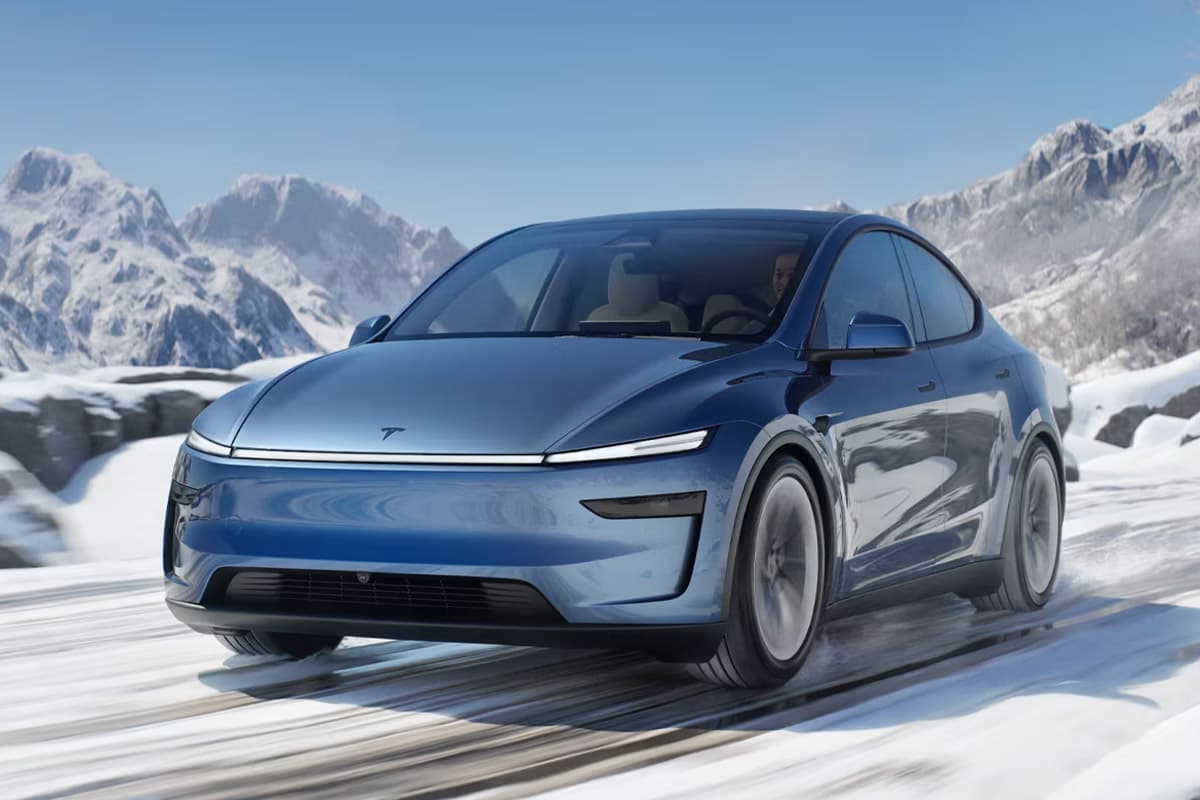
Among those hurt was a Twin Falls taxi driver who was sitting in his Tesla Model Y while it charged at the Supercharger when the vehicle was struck. He survived and is recovering. In the aftermath, EV owners on social media turned their attention to a specific, uncomfortable question: if you're plugged in and charging when something goes wrong, how quickly can you actually drive away?
How Tesla's Charge Port Release Actually Works
Under normal circumstances, releasing a Tesla from a Supercharger takes one of two steps: tapping "Unlock Charge Port" on the car's touchscreen, or pressing the physical button on the charging handle itself. If neither is accessible or working, Tesla also includes a manual emergency release cable located behind the charge port, reachable after opening the trunk — but that requires physically exiting the vehicle and walking to the back of the car, which defeats the purpose in a fast-moving emergency.
Ways to release a Tesla from a Supercharger
- Touchscreen: tap "Unlock Charge Port"
- Physical button on the charging handle/plug itself
- Manual emergency release cable behind the charge port, accessed via the trunk (requires exiting the vehicle)

What EVject Actually Is
EVject is an aftermarket accessory, not a Tesla-built feature, designed to let a driver simply put the car in drive and pull away without going through any of the normal unlock steps — the connector is built to break away from the charge port under force rather than requiring a deliberate release first. It's the kind of product that sounds like an obvious idea once you learn Superchargers otherwise expect a clean, intentional disconnect before you drive off.
Why a breakaway connector isn't a complete answer
- A breakaway connector only helps if you have the seconds and the composure to shift into drive and go — during a sudden, chaotic attack, that window may not exist
- If a vehicle is being fired upon directly, as reportedly happened in this incident, no charging-port mechanism changes that specific danger
- It addresses one narrow failure point (being physically tethered to a charger) rather than the broader personal-safety problem an active-shooter situation presents
Some Tesla owners have floated a related idea: a software-based option that would let a driver shift into drive while still plugged in, triggering an on-screen confirmation and a small fine for improperly ejecting the connector, with the charger releasing automatically. That's a community proposal circulating online, not a confirmed Tesla product or roadmap item — there's no indication yet that Tesla is building anything like it.
A Bigger Conversation About Where Chargers Get Built
Beyond the connector question, this incident is renewing a broader conversation about charging station placement as EV infrastructure increasingly shows up in busy commercial parking lots, sharing space with restaurants, retail, and heavy foot traffic. That's a real infrastructure and site-design conversation, separate from any single accessory, and one that charging networks and property developers will likely face more as EV adoption grows.
The bottom line: A tragedy exposed a real, narrow design gap — Tesla's charge port isn't built for a driver who needs to leave in the next two seconds, not the next twenty. That's worth Tesla examining, and a faster software or hardware release option would be a reasonable, achievable fix. But it's important not to oversell what a $100 connector or a menu option can solve. It addresses being physically tethered to a charger; it does nothing about the far larger problem of gun violence in public spaces, which no automotive engineering can fully solve.