Why Rivian and Lucid Play by Different Rules
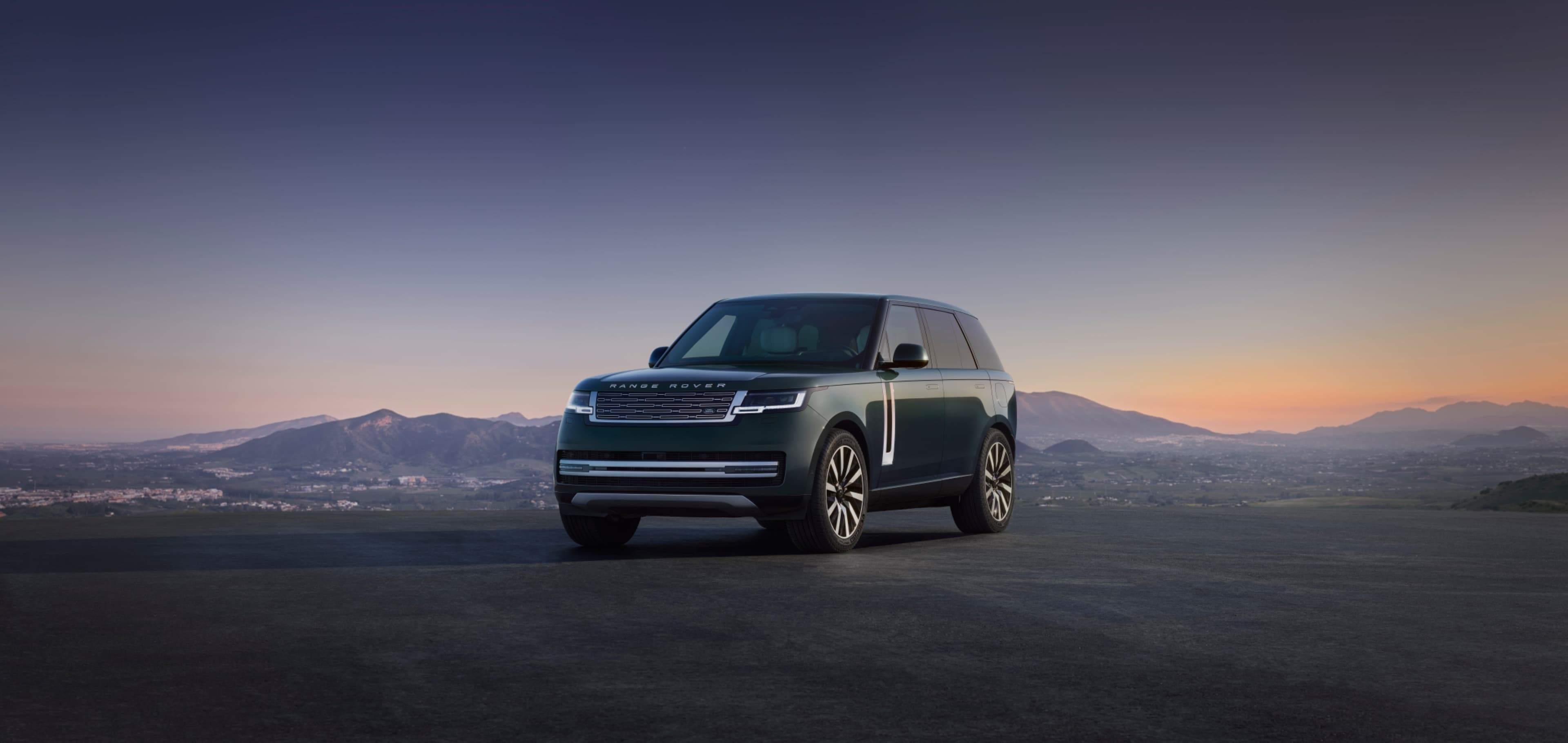
Here's a wrinkle worth understanding if you're cross-shopping: MyFirstEV includes an exemption from the $50,000 price cap for any automaker headquartered in California. That exemption applies to exactly two companies — Rivian, headquartered in Irvine, and Lucid, headquartered in Newark, California — letting their vehicles qualify for the rebate regardless of price, even though both companies' cheapest EVs start well above $50,000.
Tesla doesn't get that exemption. The company moved its corporate headquarters from Palo Alto to Austin, Texas, in 2021, and under the bill's language, headquarters status is defined as of January 1, 2026 — a fixed date that doesn't account for Tesla's continued manufacturing and major engineering presence in California. As a result, the standard $50,000 cap applies to every Tesla model, which is exactly why pricier models like Model Y L and Cybertruck are shut out while cars costing considerably more from Rivian or Lucid are not.
Things to double-check before you order
- You must be a first-time EV buyer — if you've previously owned or leased a battery-electric vehicle, you don't qualify
- Program funding is limited and shared statewide across all participating automakers, so eligibility isn't guaranteed just because you place an order
- Under the state program's rules, vehicles receiving the rebate generally can't be resold or re-registered outside California for a period of years, so factor that into any near-term resale plans
- Confirm your exact trim's price against the $50,000 cap at the time you order, since configurator pricing can shift
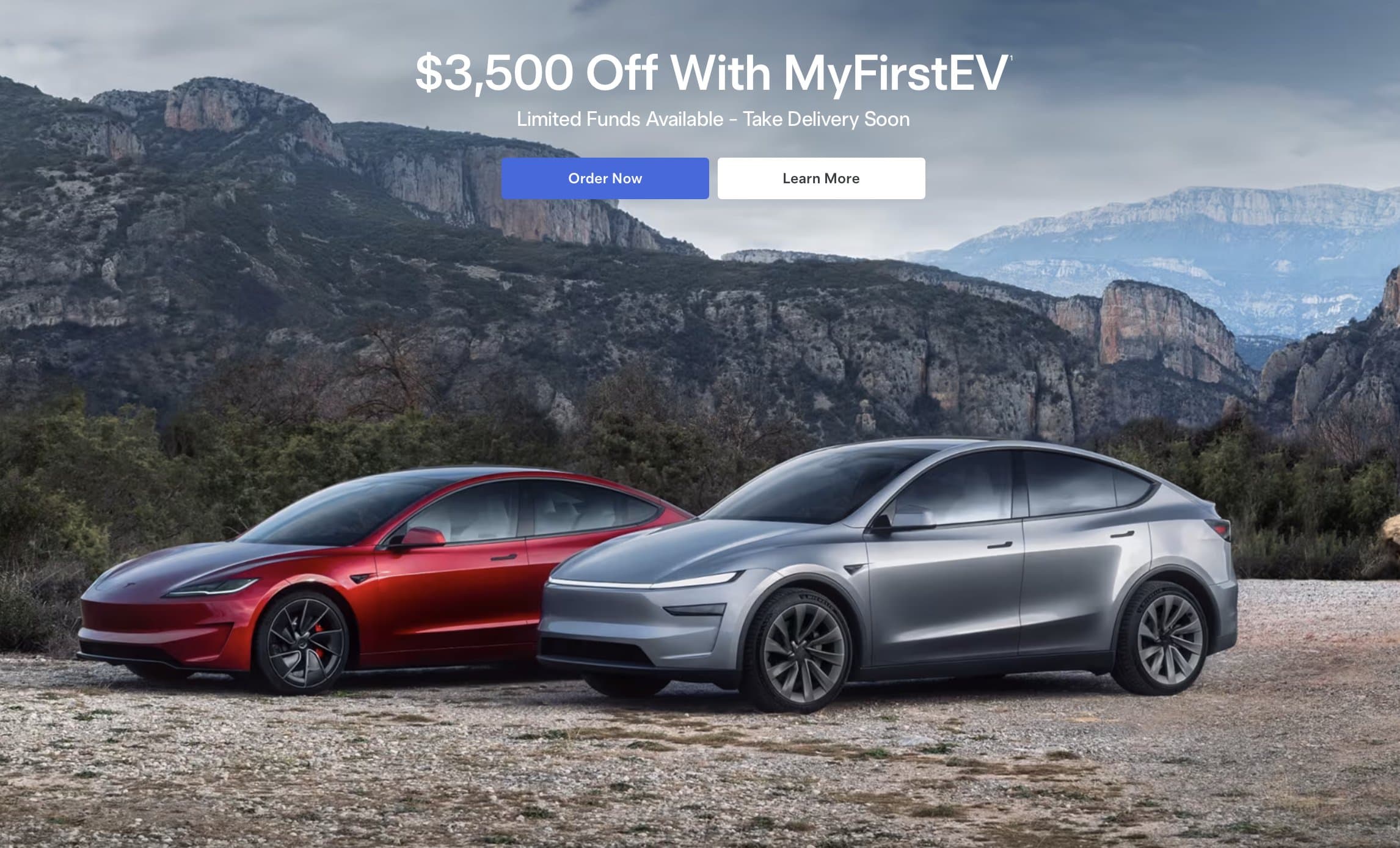
The bottom line: If you're a first-time EV buyer in California eyeing a Model 3 or Model Y under $50,000, this is real, meaningful money — $3,500 off at the point of sale, stackable with Tesla's own financing offers. Just don't assume every Tesla qualifies, and don't assume the program has unlimited funding. Order after August 3, confirm your trim's price, and move before the money runs out.