July 14, 2026·6 min read·By Learn My EV

Lucid Denies Bankruptcy and Going-Private Report After Stock Crashes Over 40%

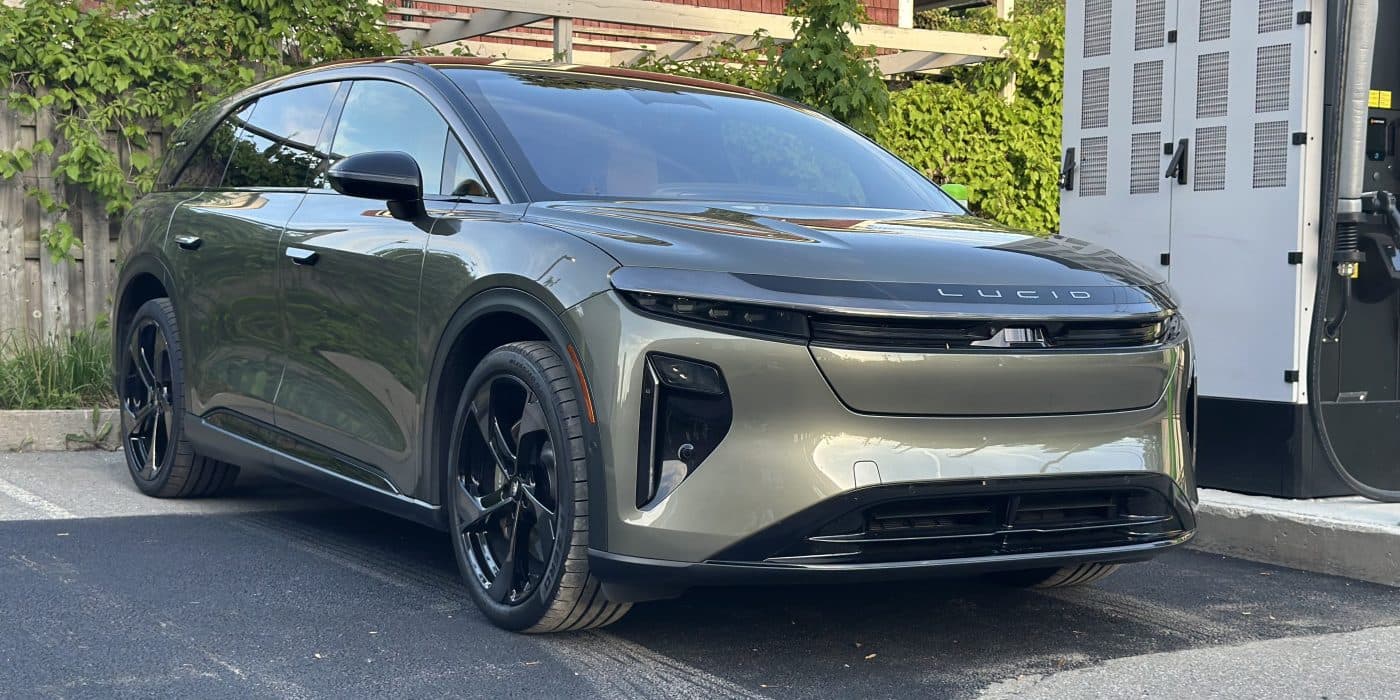
Lucid (LCID) shares were halted twice and crashed more than 40% on July 14, 2026, after a report claimed the automaker was weighing Chapter 11 or a take-private deal. Lucid called it "completely false," citing $4.7 billion in pro forma liquidity — but the panic exposed just how fragile confidence in the company has become.

Lucid Denies Bankruptcy and Going-Private Report After Stock Crashes Over 40%

Lucid Motors (LCID) stock was hit with multiple volatility trading halts and crashed more than 40% intraday on July 14, 2026 — one of the worst single-day drops in the company's history — after a report claimed the automaker was weighing Chapter 11 bankruptcy or a take-private deal. Lucid denied it within hours, calling the report "completely false" and pointing to billions in available liquidity. Rival Rivian's stock also dipped on the news as investors reassessed the broader EV-startup landscape.

40%+
Intraday stock drop, triggering two trading halts
$4.7B
Pro forma total liquidity, per Lucid's own figures
-90%
Stock decline since its 2021 SPAC peak near $58

What the Report Claimed

The story came from eletric-vehicles.com, a trade outlet with limited sourcing credibility, building on earlier reporting (already circulating from other outlets) that Lucid had retained restructuring firm AlixPartners. The new claim went further: that AlixPartners had advised Lucid's board to consider strategic options including a take-private transaction or a Chapter 11 filing. That framing — landing on a stock already deep in a multi-year decline — was enough to trigger panic selling within minutes.

Lucid's Denial

Nick Twork, Lucid's head of communications, pushed back publicly and specifically the same day:

"The rumors are completely false. The company has sufficient liquidity to carry its operations well into next year, as recently published in its last quarterly filings, and it has not formed any special Board committee to explore the scenarios reported today. Our focus is on improving execution, strengthening operations, and positioning Lucid to realize the full potential of its technology, products, and innovation. AlixPartners is assisting us in that and nothing else and has not recommended bankruptcy to management or the Board."

— Nick Twork, Lucid Motors

Twork's statement confirmed for the first time on the record that Lucid had in fact retained AlixPartners — a detail that had previously rested on outside reporting rather than company acknowledgment. But he was explicit that the firm's mandate is operational, not a prelude to bankruptcy or a sale.

The Financial Reality Behind the Panic

Lucid's own numbers are the best evidence for its denial — and also the reason the rumor felt believable in the first place.

MetricFigure
Cash, equivalents & investments (end of Q1 2026)~$714 million
Total liquidity (end of Q1 2026)~$3.2 billion
April 2026 capital raise (PIF preferred + Uber)$1.05 billion
Pro forma total liquidity, including undrawn PIF term loan~$4.7 billion
Q1 2026 net loss~$1.03 billion (nearly 3x Q1 2025)
2025 full-year free cash flow burn~$3.8 billion on 15,800 deliveries

In April 2026, Lucid raised $1.05 billion — $550 million in convertible preferred stock from Saudi Arabia's Public Investment Fund (PIF) and $200 million from Uber — and drew $500 million from a PIF term loan while retaining roughly $2 billion in undrawn capacity. Analysts have said the resulting ~$4.7 billion pro forma liquidity position supports a runway into late 2027. That's a real cushion — but Wall Street doesn't expect Lucid to reach positive free cash flow until 2030, with projected cumulative losses of $6.7 billion through 2028.

Why the rumor landed as hard as it did
  • June 2026: Lucid cut 18% of its workforce, its second mass layoff in four months, and eliminated its COO role
  • July 2, 2026: New CEO Silvio Napoli overhauled nearly the entire C-suite
  • 2026 production guidance: Pulled entirely, with no replacement forecast given
  • PIF ownership: Saudi Arabia's Public Investment Fund remains the majority backer and hasn't pulled funding — but its continued patience is the real variable, not a near-term court filing

What's Actually Premature vs. What's Real

Two things can be true at once here. The bankruptcy report itself was thinly sourced and conflated a routine restructuring-advisory engagement with an active board decision — there's no evidence of any board committee weighing Chapter 11 or a sale, and Lucid's denial was fast, specific, and on the record. A 40%-plus single-day drop on an unconfirmed report from a low-credibility outlet was a panic reaction, not a response to any SEC filing or disclosed board action.

At the same time, Lucid is genuinely not in great shape, which is exactly why the rumor spread so easily. A company burning billions annually, cutting staff twice in four months, replacing its entire executive suite, and withdrawing its own production guidance is a company investors are primed to believe the worst about. The bigger long-term risk for Lucid isn't a courtroom filing next quarter — it's whether the PIF's patience outlasts the cash burn before the more affordable Cosmos midsize SUV can prove the company can scale.

The bottom line: Lucid's bankruptcy and going-private rumors are, on the current evidence, false — the company has real liquidity, a denial on the record, and no disclosed board action toward either outcome. But the speed and severity of the stock's reaction says more about Lucid's underlying fragility than about the report itself. With billions in losses, a gutted executive team, and no production forecast, the company has bought itself time — not certainty.