Ford Motor Co. has made a significant strategic shift in its electric vehicle (EV) plans, announcing that it will no longer produce an all-electric three-row SUV. Instead, the automaker will prioritize the development of hybrid SUVs and focus on making its EV business profitable sooner.
Strategic Shift Towards Profitability
Ford's decision reflects its commitment to adapting quickly to customer demands and market conditions. John Lawler, Ford's vice chair and chief financial officer, emphasized the importance of being "nimble" and responsive to customer feedback. "What we’re understanding is that customers want more electrification choices," Lawler said during a media call.
This pivot is part of a broader strategy to ensure that Ford’s vehicles are profitable within the first year of launch. Lawler explained that the all-electric three-row SUV would not meet this profitability requirement, leading to its cancellation. As a result, Ford will take a non-cash charge of approximately $400 million for the write-down of manufacturing assets specific to the project. Additionally, the company may incur up to $1.5 billion in further expenses and cash expenditures.
Focus on Hybrid and Affordable EVs
While the all-electric three-row SUV has been shelved, Ford plans to introduce a hybrid version of this vehicle. The decision was influenced by the understanding that customers who typically use three-row SUVs for long-range family travel prefer vehicles that offer a mix of traditional and electric powertrains.
Ford's revised strategy will reduce its annual capital expenditures on pure EVs from around 40% to 30%. This change is a response to the slower-than-expected growth in U.S. EV adoption, which is projected to represent just 8.3% of new car sales in 2024, according to Cox Automotive. This is only a slight increase from 7.6% in the previous year.
Future EV Plans
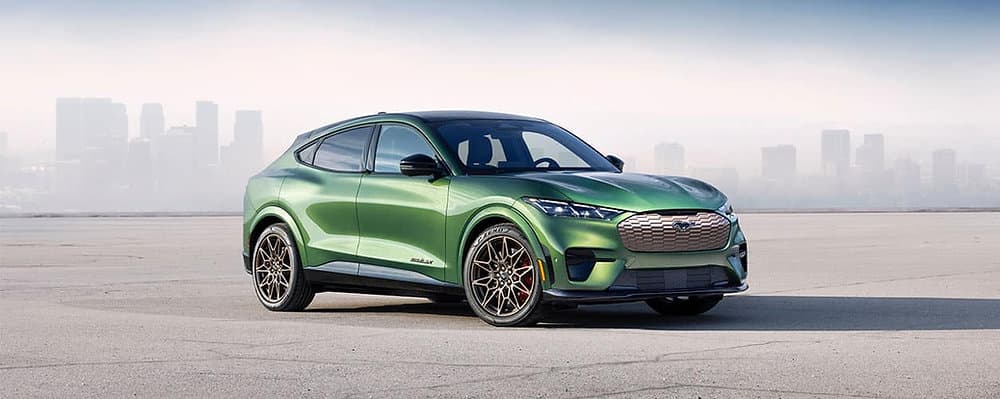
In addition to these new models, Ford is also planning to move some Mustang Mach-E battery production from Poland to Holland, Michigan, by 2025. This shift will help the company and its customers qualify for tax credits under the U.S. Inflation Reduction Act, further aligning with Ford's focus on affordability and market competitiveness.