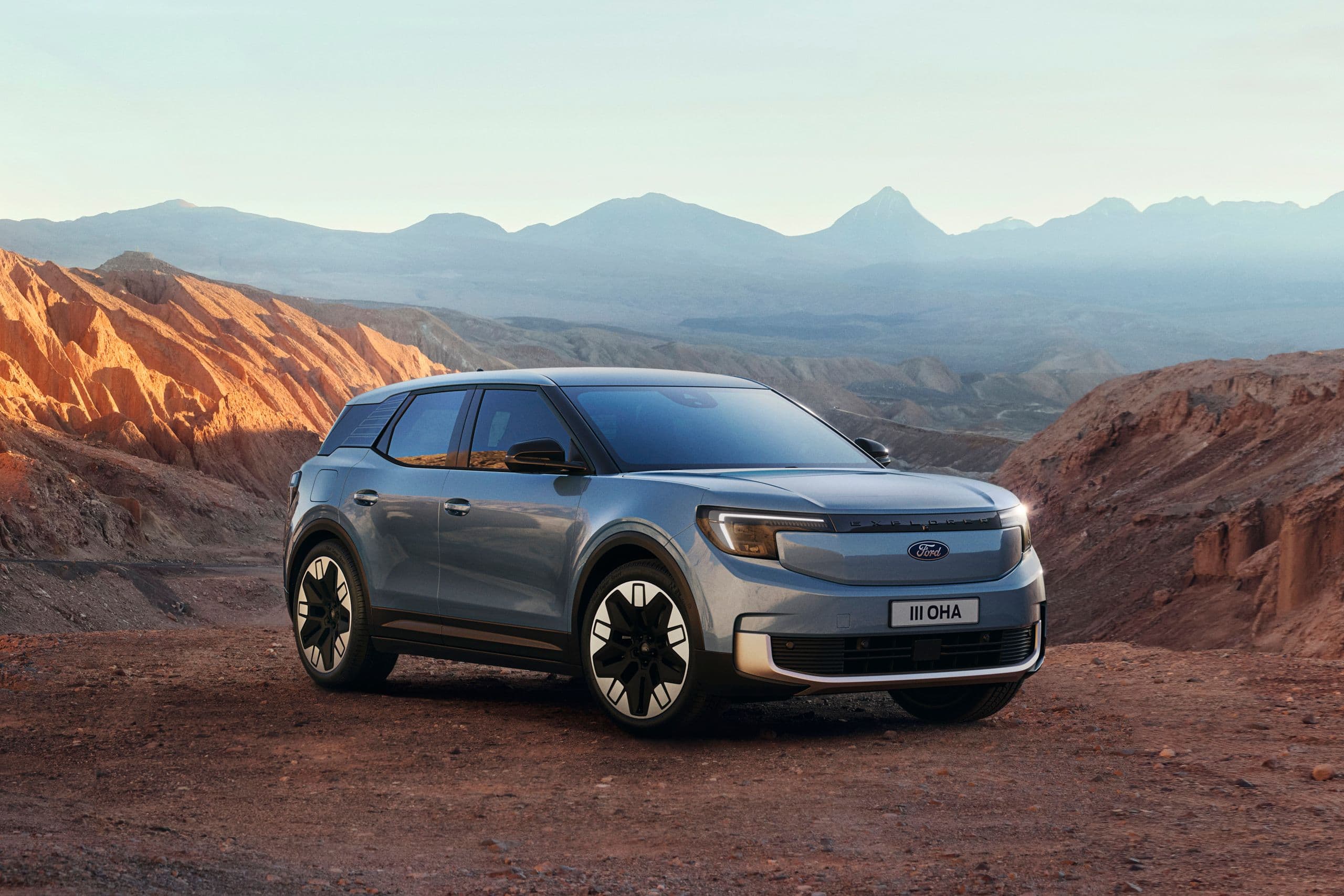
The three-row electric SUV has arrived — just not from Ford. While families have been waiting on the Blue Oval to bring an electric Explorer to dealerships, rivals like Kia, Hyundai, and Rivian have beaten them to market and built real momentum. Ford's answer, the fully electric Explorer EV, is now targeted for 2027 — its third delay since the project was first announced. But Ford CEO Jim Farley is still betting big on the segment, calling three-row seating "the way of the future" for American family buyers.
Here's what we know about where Ford stands, what's already available from competitors, and what families should actually do while they wait.
2027
Ford's current target for US Explorer EV deliveries — delayed from 2025
~$25K
Expected starting price for Ford's new 2026 compact electric crossover
6
Mainstream 3-row electric SUVs already on the US market in 2026
Ford's 3-Row EV Plan: Where It Stands
Ford's electric Explorer is being built at the Oakville Assembly Complex in Ontario, Canada — a facility the company retooled specifically for electric vehicle production. The plan is to deliver a fully electric, three-row family SUV that carries over the Explorer nameplate's reputation for utility, practicality, and mainstream appeal.
What Ford wants to avoid is what happened with some early luxury EV entries — high prices, niche buyers, and slow adoption. The goal, per Farley, is a mainstream family vehicle. Think Chevy Traverse or Toyota Grand Highlander territory, electrified — not a six-figure status symbol.
"Three rows of seating are the way of the future. The market for two-row SUVs is at capacity."
— Jim Farley, Ford CEO
The delays, Ford says, stem from supply chain challenges and a desire to get the battery technology right before launch. A lithium-iron-phosphate (LFP) battery — the same chemistry used in base-trim Teslas — is expected, which would keep costs down and improve long-term cycle life. Final specs, range, and pricing have not been confirmed.
Also Coming: A $25,000 Compact Electric Crossover in 2026
While the three-row Explorer EV waits in the wings, Ford is launching a compact electric crossover in 2026 with an expected starting price around $25,000 — a direct shot at the entry-level Tesla and aimed at city drivers and younger buyers. A specialist team of fewer than 100 engineers in Irvine, California is leading the development.
The compact EV won't offer three rows, but it signals Ford's intent: go broad, go affordable, and fill the lineup from the bottom up. The Explorer EV follows as the family-hauler anchor of the electric Ford lineup.

Who's Already Winning the 3-Row EV Race
While Ford finalizes plans, families buying today have real options. The segment has matured fast in the last two years — and several models are genuinely excellent.
Kia EV9
From ~$55,000
Up to ~300 mi range
The mainstream benchmark. Real third-row space, competitive pricing, strong tech. The default recommendation for most families in 2026.
Hyundai Ioniq 9
From ~$68,000
Low-300-mile range
More refined and quieter than the EV9 — a step toward luxury without crossing into six-figure territory. Just launched for 2026.
Volvo EX90
From ~$80,000
~300+ mi range
Safety-first Scandinavian luxury. The pick for buyers coming out of an XC90 or Audi Q7 who want a premium EV that feels like one.
Rivian R1S
From ~$78,000
Up to ~400+ mi range
Adventure-ready with serious off-road capability and among the longest range of any 3-row EV. A truck for people who need all seven seats and a trail.
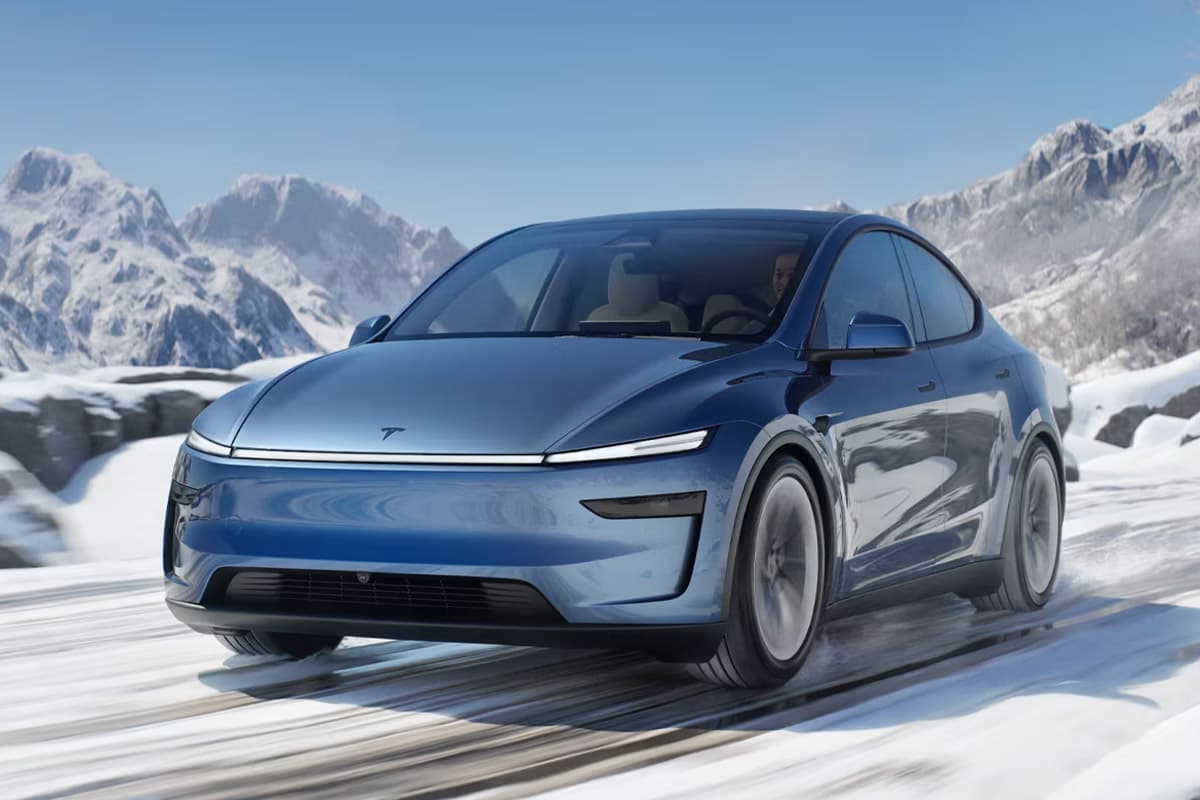
Tesla's Model X (~$95,000+) and the Mercedes-Benz EQS SUV (~$110,000+) sit at the top of the market for buyers who want flagship luxury alongside the third row. Both deliver serious performance and range — but at prices that most family buyers won't consider.
What Families Should Do Right Now
If you need a three-row electric SUV today, waiting for Ford isn't the move. The Kia EV9 is available, refined, and priced fairly against comparable gas SUVs. Early 2024 and 2025 EV9s are already appearing in the used market at meaningful discounts, with most of the software bugs ironed out via over-the-air updates.
3-row EV buying checklist for 2026
- Test the actual third row — have adults climb in, not just kids. Headroom and legroom vary significantly between models.
- Check real-world range — EPA numbers assume gentle driving. Highway speeds, cold weather, and a full load can cut range 20–30%.
- Map your fast-charging route — all these vehicles support DC fast charging (50–350 kW depending on model), but charger availability varies by region.
- Confirm towing capacity — if you tow a boat or camper, factor in that range drops sharply when pulling weight. Most 3-row EVs are rated 5,000–7,500 lbs.
- Consider the used market — 2023-2024 EV9s and R1S models are already hitting used lots at 15–25% below original MSRP. Battery health check is essential.
If you're holding out for the Ford Explorer EV
- Don't expect it before late 2027 at the earliest — this project has already slipped twice
- Pricing hasn't been confirmed — "mainstream" is the goal but no number is locked
- LFP battery chemistry is expected, which means good longevity but slightly lower energy density than NMC competitors
- The 2026 compact crossover EV (~$25K) is a different, smaller vehicle — not a three-row replacement
The Bottom Line
Ford is serious about 3-row electric SUVs, but families can't buy one from them yet. The 2027 Explorer EV could be a genuinely compelling mainstream option if Ford hits its "affordable family vehicle" brief — but three more delays have taught the market not to hold its breath. In the meantime, the Kia EV9 is what Ford's Explorer EV needs to beat when it finally arrives, and it's going to be a hard target. If you need three rows and an electric powertrain today, the EV9 is where to start.