July 29, 2026·5 min read·By Learn My EV

Ferrari's $640K Electric Luce Sells Out Its Entire 2026 Run in Under Two Months

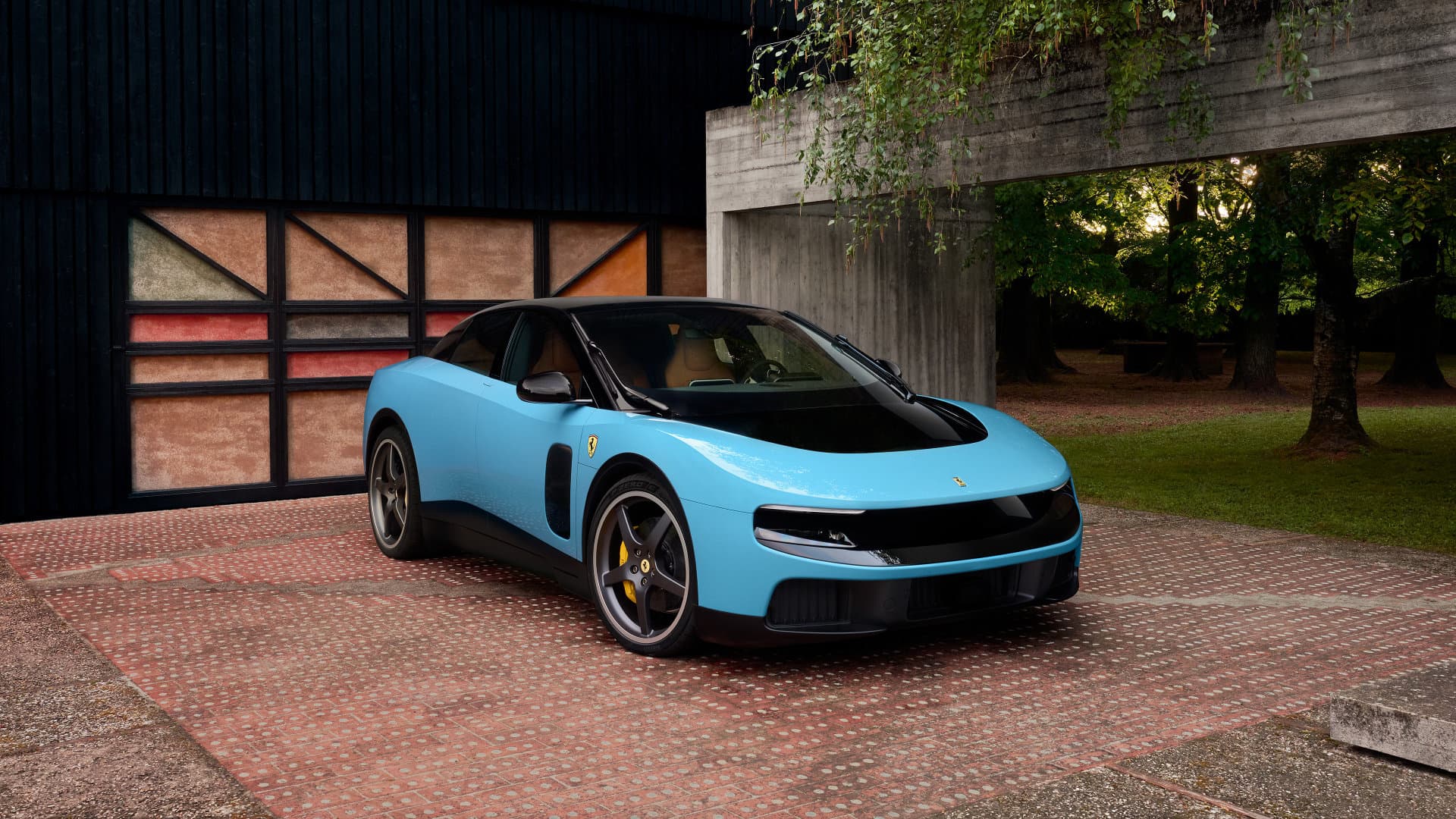
Ferrari has already sold every Luce it planned to build in 2026 — just under 500 units at roughly €550,000 ($640,000) each — despite a launch that drew some of the harshest design criticism in the brand's history. Demand is coming heavily from China, and deliveries haven't even started yet.

Ferrari's $640K Electric Luce Sells Out Its Entire 2026 Run in Under Two Months

Ferrari has already sold every Luce it plans to build in 2026. According to the Financial Times, later confirmed by Reuters, the automaker's first electric car hit its full-year sales target — just under 500 units — in less than two months after launch. That's despite one of the roughest public reactions to a car reveal in recent memory.

~500
2026 Luce units sold, hitting the full-year target
€550K
Starting price (~$640,000)
<2 mo
Time it took to sell out after the May 25 launch

A Launch That Went Badly, Then Sold Out Anyway

The Luce launched in Rome on May 25, 2026, and the reception was ugly by any normal standard. Ferrari's stock dropped roughly 6% in the days around the reveal, and the design — a four-door, five-seat family car penned by former Apple designers Jony Ive and Marc Newson through their LoveFrom studio — drew sharp criticism from longtime Ferrari watchers. Former Ferrari chairman Luca di Montezemolo told Italian media the company should "at least take the prancing horse off" the car, warning that Ferrari risked "destroying a legend."

None of that stopped the order book. Ferrari cleared its entire 2026 allocation before a single customer car has been delivered — deliveries don't start until October in Europe, and U.S. buyers won't get theirs until 2027. Ferrari's own press office declined to comment on the sales figures directly, saying it would address the Luce's market reception at its half-year results.

Where the demand is actually coming from
  • China has been the strongest market by a wide margin, with reports that an initial batch of 88 cars sold out within days of ordering opening
  • Ferrari CEO Benedetto Vigna said in May the car was already "clocking up orders" from both existing and new customers
  • The order book reportedly stretches out toward the end of 2027 for buyers ordering now

The Hardware Underneath the Controversial Styling

Whatever people think of how it looks, the Luce's underlying engineering is a serious, largely in-house effort. When Ferrari first detailed the car's specs (under its earlier working name, Elettrica), it disclosed more than 1,000 horsepower from four independent motors, a 122 kWh battery on an 880-volt architecture, up to 350 kW of DC fast charging, more than 330 miles of range, and a 0-100 km/h time of 2.5 seconds.

SpecFigure
Power1,000+ hp, four independent motors
Battery122 kWh, 880-volt architecture
Peak charging350 kW
Range330+ miles
0-100 km/h (0-62 mph)2.5 seconds

Ferrari developed much of that hardware itself rather than buying it off the shelf: motors built around Halbach array rotors, silicon carbide inverters running at roughly 93% efficiency, and an active electric suspension Ferrari says reads the road surface with about one millisecond of latency.

Why Scarcity, Not the Design, Is Doing the Work

Ferrari built the Luce to be scarce on purpose. Just under 500 cars for a partial year is a rounding error next to any mass-market EV's output, and it fits how Ferrari has always managed demand — the company sold fewer than 14,000 cars total in all of 2025. Ferrari's own longer-term target for the Luce is roughly 2,500 units by 2030, or about 600 a year, which would still amount to only around 5% of the company's total production even at full volume.

A few things worth keeping in mind
  • Not every report agrees the allocation is fully gone — some dealers in China have reportedly told prospective buyers that units are still available, despite the "sold out" headlines
  • Ferrari hasn't confirmed exact sales figures publicly and is expected to address the Luce more directly at its half-year results
  • Some industry watchers have floated the idea that a meaningful share of buyers are longtime Ferrari clients maintaining their place in line for future limited-run cars, rather than buyers specifically drawn to the Luce itself — an unverified but plausible dynamic given how Ferrari has historically managed allocation for its most loyal customers

The bottom line: Whatever you think of how the Luce looks, Ferrari didn't need the internet to like it — it needed a few hundred buyers willing to spend well over half a million dollars, and it found them in under two months. More importantly for the EV world, the Luce keeps a legacy performance brand's electric program alive and funded at a moment when several automakers are quietly pulling back on EV plans, while proving out real in-house EV engineering — high-output motors, an 880-volt platform, and silicon carbide power electronics — that could eventually filter down to more attainable Ferraris.

More EV News