For most of the past decade, charging an electric vehicle on the road meant building your day around the plug. Drivers learned to budget 30 to 60 minutes at a DC fast charger — enough time to grab a coffee, stretch, and walk back to a car that still was not quite full. That reality shaped how a lot of people thought about EVs: great for the daily commute, a hassle for anything longer.
That assumption is finally starting to break. A cluster of new battery designs entering production or pilot manufacturing in 2026 is targeting full-speed charging windows under 15 minutes — and in several cases, closer to 10. Here is what made it possible, who is leading the charge, and what it actually changes for the way you drive.
30–60
minutes — the typical fast-charge stop for much of the past decade
~10
minutes — the charge window several 2026 battery systems are aiming for
20,000
new fast-charging stations one maker plans to add across China by the end of 2026
Why fast charging was always a trade-off
Charging speed was never the only problem — durability was the catch. To charge faster, a battery has to absorb more current in a shorter window. That pushes up heat, speeds the movement of ions through the electrolyte, and raises the risk of metallic lithium plating onto the anode. Each of those effects chips away at how many times a pack can be charged and discharged before it wears out.
So for years, engineers were stuck choosing between speed and longevity, and they almost always picked longevity. A cell that could charge in 10 minutes but wore out after a few hundred cycles was a science project, not a product you could sell. Breaking that trade-off — charging fast and lasting thousands of cycles — is exactly what the latest generation of batteries is designed to do.
The three breakthroughs changing the math
Three lines of materials research, maturing at roughly the same time, are behind most of this year's fast-charging announcements.
What is making 10-minute charging possible
- Silicon-dominant anodes — replacing most of the graphite in the anode with silicon lets cells take in current far faster, addressing the lithium-plating bottleneck that limited charge rates.
- Sodium-ion chemistry — a cheaper, abundant alternative to lithium that handles fast charging and cold weather well, now reaching automotive-grade performance.
- Solid electrolytes (solid-state) — swapping the flammable liquid electrolyte for a solid one improves safety and tolerance to high charge rates, while pushing energy density higher.

The companies pushing toward 10-minute charging
Several manufacturers have announced or begun producing fast-charging systems in 2026 that hold sub-15-minute charge targets while still demonstrating hundreds or thousands of cycles at acceptable degradation. The approaches differ, but the goal is the same.
Silicon extreme fast charging
Silicon-anode cells
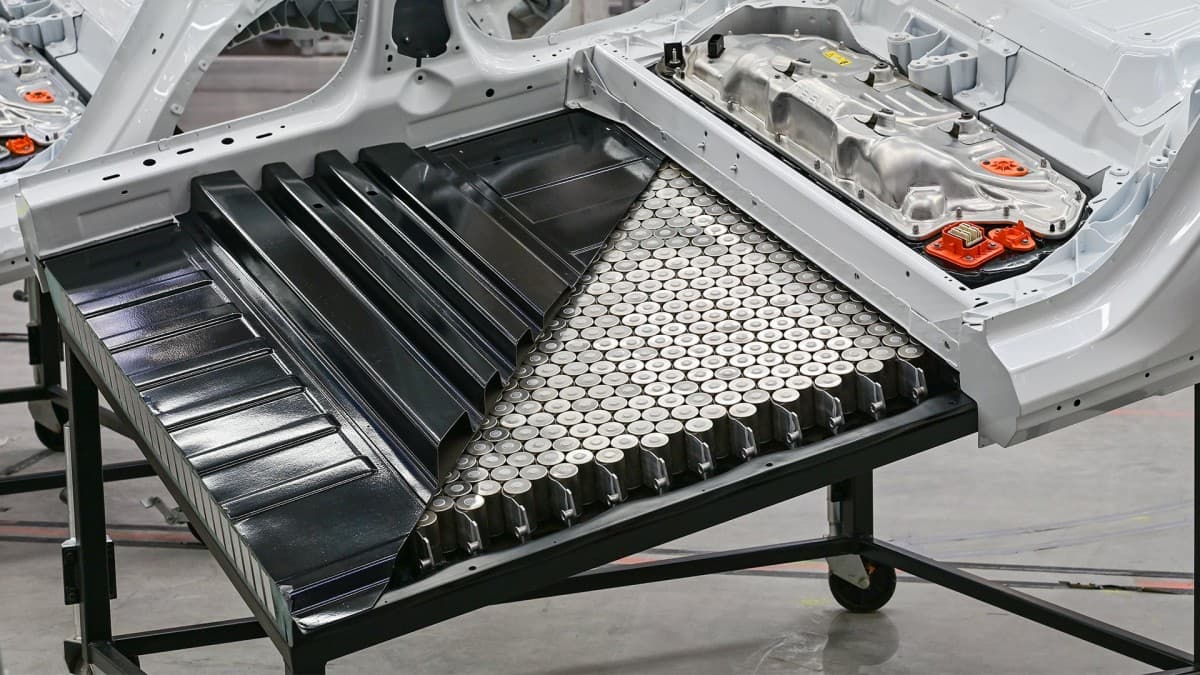
Silicon-dominant cell makers are engineering packs built specifically for "extreme fast charging," aiming for roughly 10-minute top-ups without the rapid wear that used to come with high charge rates.
High-voltage platforms
Architecture + infrastructure
One leading maker pairs a very high-power vehicle platform with a national build-out of fast chargers — planning around 20,000 new stations in China by the end of 2026 so the cars and the plugs arrive together.
Fast LFP and sodium-ion
Lower-cost chemistries
The largest cell suppliers are shipping rapid-charging lithium-iron-phosphate packs and bringing sodium-ion cells toward production — chemistries that charge quickly and hold up better in the cold.
Solid-state cells
Solid electrolytes
Several developers are moving first-generation solid-electrolyte cells out of the lab, trading the liquid electrolyte for a solid one that tolerates faster charging with less degradation.
What it actually means for your charging stops
It is worth keeping expectations grounded. The headline numbers are cell- and pack-level targets, measured under favorable conditions. What you experience at a real charger depends on more than the battery.
Real-world charge speed still depends on
- The charger's maximum power — a 10-minute-capable pack still needs a high-power station to hit that speed
- Battery temperature — most EVs charge fastest when the pack is preconditioned to an ideal range
- State of charge — charging slows as you approach 80–100%, so "10 minutes" usually describes a partial top-up, not empty to full
- How widely these cells actually ship — many 2026 systems start in limited volumes before reaching mainstream models
Even with those caveats, the direction is clear. As these cells move into production and high-power chargers spread, the 30-to-60-minute fast-charge stop starts to look like the old way of doing things — and the coffee-break charge becomes more like a bathroom-break charge.
The speed-versus-longevity trade-off that defined EV charging for a decade is finally bending. Silicon anodes, sodium-ion chemistry, and solid electrolytes are arriving together in 2026, and for the first time a 10-minute charge looks less like a demo and more like a feature you will see on a window sticker. The remaining question is how fast it scales from announcement to the car in your driveway.