August 9, 2026·5 min read·By Learn My EV

Zoox Starts Charging for Robotaxi Rides on August 10 — A First for Driverless Cars With No Steering Wheel

Amazon-owned Zoox will begin charging for rides in Las Vegas on August 10, ending nearly a year of free service. It follows a first-of-its-kind federal exemption that lets Zoox commercially operate a robotaxi with no steering wheel, pedals, or mirrors — a milestone Tesla's own Cybercab is still waiting on.

Zoox Starts Charging for Robotaxi Rides on August 10 — A First for Driverless Cars With No Steering Wheel

For almost a year, riding in a Zoox robotaxi in Las Vegas has been free. That ends on August 10, when the Amazon-owned company starts charging fares — officially launching commercial operations for a vehicle unlike anything else on the road: a purpose-built robotaxi with no steering wheel, no pedals, and no side mirrors.

Aug 10
First day Zoox charges for rides
2,500
Vehicles Zoox can deploy annually under its exemption
12
Years since Zoox was founded, in 2014

The Federal Exemption That Made This Possible

Zoox's robotaxi lacks several features that federal law has historically required on every car sold in the US, which is why it couldn't legally charge passengers until now. On July 30, 2026, the National Highway Traffic Safety Administration granted Zoox a temporary commercial exemption spanning eight federal motor vehicle safety standards, including light-vehicle braking systems and windshield defrosting requirements written for cars with human drivers. It's the first time NHTSA has granted this kind of commercial exemption to a purpose-built robotaxi with no human driving controls at all.

What the NHTSA exemption actually allows
  • Commercial deployment of up to 2,500 Zoox vehicles per year, for two years
  • Covers 8 federal motor vehicle safety standards the vehicle otherwise doesn't meet
  • Subject to an "enhanced, adaptable oversight structure" NHTSA says can evolve as the technology matures
  • Replaces a 2024 exemption that only allowed free demonstration rides, not paid ones

Zoox still needs separate state and local approval to actually charge fares in any given market. Right now, that box is only checked in Nevada. The company also runs free robotaxi rides in San Francisco and Austin, but those will stay free for now — in California specifically, Zoox says it still needs two more state permits before it can charge there.

What the Vehicle Actually Is

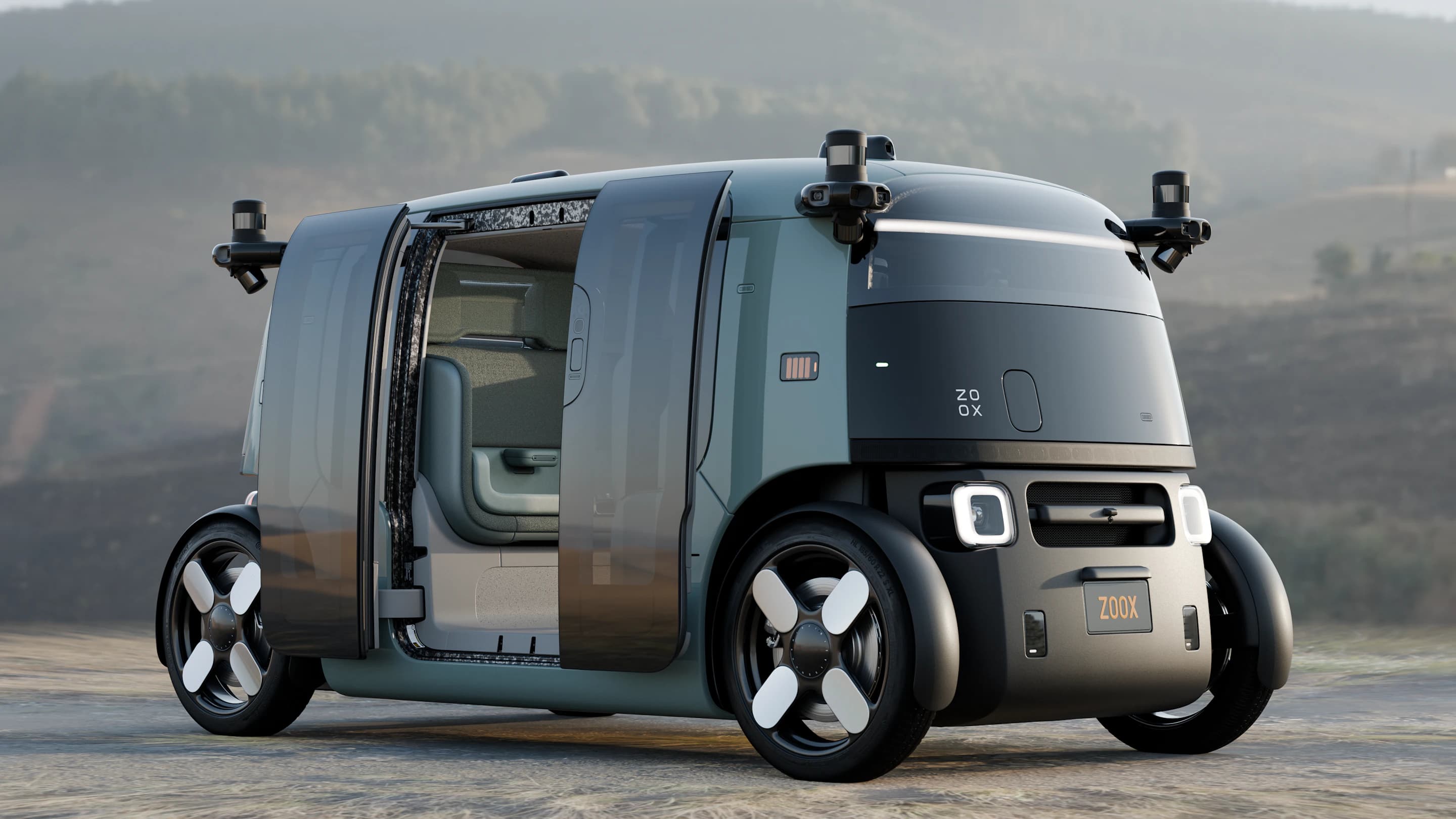
Zoox was founded in 2014 with the goal of building a car and a self-driving system from scratch, rather than retrofitting an existing model. Amazon acquired the company in 2020 and later that year unveiled the finished design: a bidirectional, cube-shaped electric pod with two rows of seats facing each other, room for four passengers, a moonroof, and a top speed of 75 mph — and no steering wheel or pedals anywhere in it. Zoox has spent the six years since refining the hardware and software, including working through several recalls, most recently a software update issued in July 2026 after a robotaxi got confused navigating through heavy smoke.

How Much a Ride Will Actually Cost

Zoox hasn't published a rate card. The company says fares will be calculated from a base fare plus the distance and time traveled, with destination fees layered on for trips like airport runs or pickups near high-traffic venues such as the Sphere or T-Mobile Arena. The full fare, fees included, will be shown before a rider books — and won't change even if the car ends up taking a different route than planned. Zoox says it's aiming to be competitive with "comfort" tier pricing on traditional ride-hail apps; outside analysts estimate that could land fares somewhere around 20-40% above a standard rideshare rate for the same trip.

Where Zoox operatesStatus as of August 2026
Las Vegas, NVPaid rides begin August 10
San Francisco, CAFree rides only — additional state permits still needed
Austin, TXFree rides only

Why This Matters Beyond Zoox

This is the milestone the robotaxi industry has been watching for, because Zoox isn't the only company betting on a vehicle with no human controls. Tesla's two-seat Cybercab shares the same basic problem — no steering wheel, no pedals — and Tesla has said it's waiting on broader regulatory clearance rather than pursuing one-off exemptions the way Zoox just did. Waymo, by contrast, sidesteps this entire issue: its fleet is built on modified Jaguar I-Pace SUVs that already meet standard federal safety rules, so it doesn't need this kind of exemption to operate or charge fares anywhere it's licensed.

"NHTSA supports the safe development and deployment of automated vehicles. By removing unnecessary barriers to innovation... NHTSA is taking a balanced approach to AV regulation."

— Jonathan Morrison, NHTSA Administrator
Worth keeping in mind
  • The exemption is temporary and capped — not a permanent, unlimited approval to scale nationwide
  • NHTSA can adjust or pull the exemption if real-world safety issues turn up, and Zoox must report crashes and incidents where vehicles stop inappropriately
  • Zoox has had software recalls before, including one as recent as last month
  • Paid service is Las Vegas-only for now — San Francisco and Austin riders still aren't being charged, and won't be until state approvals catch up

The bottom line: August 10 is a real "first" for the industry — a commercially operating robotaxi that was never designed to have a human driver in the first place. But it's a narrow, closely monitored first: capped at 2,500 vehicles a year, limited to Las Vegas, and still subject to NHTSA pulling the plug if the safety record doesn't hold up. Whether this becomes the blueprint other purpose-built robotaxis like Tesla's Cybercab eventually follow depends entirely on how the next two years go.