Toyota C-HR EV Recall Grows to 19,000 Worldwide: 8,521 US SUVs Can Lose Drive Power When Regen Overcharges the Battery
Toyota's 2026 C-HR EV recall now covers about 19,000 SUVs worldwide, including 8,521 in the US. A battery software bug can overcharge the pack during regen and cut drive power. Toyota says charge to 80% until the fix.
Photo: Toyota
Toyota's first-year electric C-HR has a software bug that can shut off the motor while you drive. The recall that started with 8,521 SUVs in the US has now grown to about 19,000 vehicles worldwide, according to Germany's Federal Motor Transport Authority (KBA).
The problem shows up when the battery is nearly full and the car keeps feeding energy back into it through regenerative braking, such as on a long downhill. Toyota says the battery can be overcharged, warning lights come on, and the electric drive system shuts down. The fix is a free software update at a Toyota dealer. Until you get it, Toyota has a simple tip: charge to 80%.
~19,000
C-HR EVs recalled worldwide (KBA)
8,521
2026 C-HR EVs recalled in the US
80%
Charge limit Toyota suggests until the fix
~45 min
Dealer software update, free of charge
Which Vehicles Are Affected?
In the US, the recall covers only the 2026 Toyota C-HR battery electric SUV. Toyota says no other Toyota or Lexus model sold in the US is part of this recall. The gas and hybrid C-HR are not sold in the US, and the 2027 C-HR now in showrooms is not included.
Detail
Recall info
Model
2026 Toyota C-HR (battery electric), SE and XSE
US vehicles
8,521 (Toyota first estimated about 10,000)
US build dates
February 6, 2026 to July 10, 2026
Worldwide vehicles
About 19,000, built June 17, 2025 to July 9, 2026
Germany
1,096 vehicles (sold in Europe as the C-HR+)
NHTSA campaign
26V570
Toyota campaign
26TA17
KBA reference
17116R
Part involved
BEV ECU (part nos. 89980-42G40 and 89980-42G50), made by Denso
Owner letters
Mailed October 19, 2026
Sources: NHTSA Part 573 report 26V570, Toyota dealer notice, KBA via Autohaus, Electrek.
Toyota notes that not every C-HR built in the US date range was sold here. The only way to know for sure is to check your 17-digit VIN at nhtsa.gov/recalls or in the Toyota app, where affected vehicles are flagged.
What Is Wrong With the Battery Software?
The C-HR's Battery Electric Vehicle Electronic Control Unit (BEV ECU) has battery protection logic that is supposed to limit how much energy goes into the pack. Because of an incorrect software parameter, that limit may not work as intended.
According to Toyota's Part 573 safety recall report, the battery can become overcharged "particularly in low temperatures, when its state of charge is high and the vehicle remains in regenerative mode, such as coasting long distances downhill."
If that happens, warning lights illuminate and a warning buzzer sounds, telling the driver the electric drive system has shut down. Toyota says this can cause a loss of motive power at higher speeds, which raises the risk of a crash.
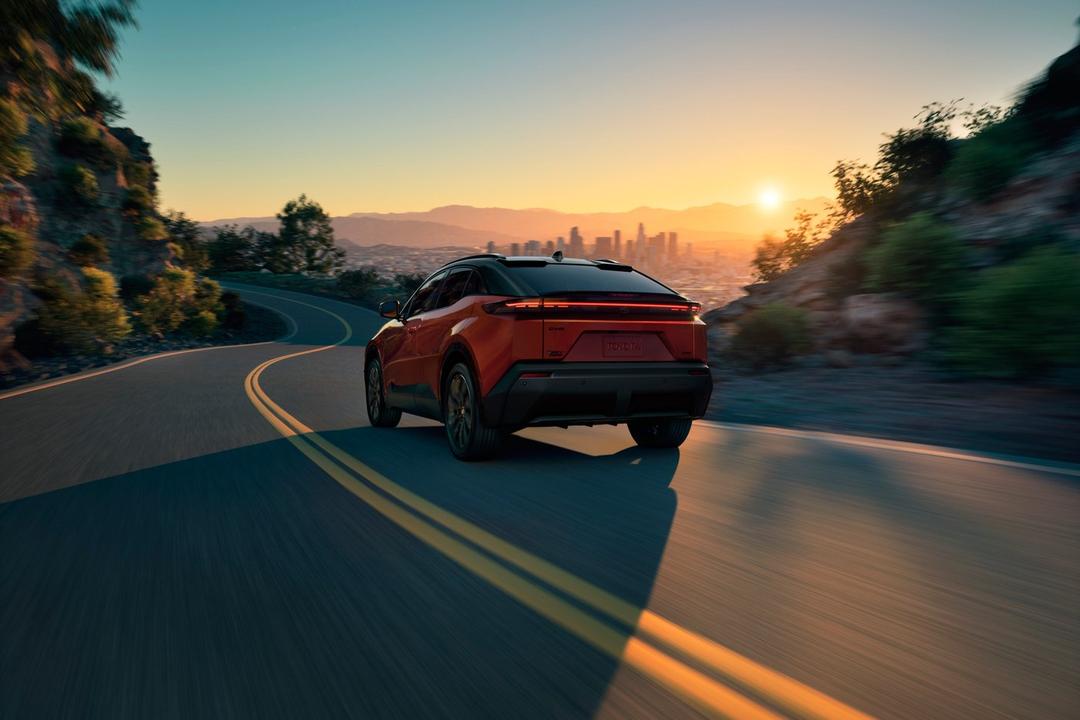
Long downhill runs with a nearly full battery, especially in cold weather, are the conditions Toyota flagged. Photo: Toyota
Warning signs to watch for
Toyota says drivers will see warning lights and hear a warning buzzer if the electric drive system shuts down. If this happens, steer to a safe spot out of traffic as smoothly as you can and call Toyota or your dealer. Toyota and NHTSA have not told owners to stop driving or park outside.
Advertisement
How Toyota Found the Problem
Toyota did not find this bug through customer complaints. Its chronology filed with NHTSA lays out the timeline:
Late April 2026: During development testing, Toyota found an incorrect software parameter in the BEV ECU of a future electric model. It then checked models already on sale and found a wrong battery charging parameter in the C-HR.
July 2026: Bench and simulation tests at high state of charge, different temperatures and speeds showed the drive system could shut down from overcharging during long stretches of regenerative braking, mostly in the cold.
August 28, 2026: Toyota decided on a voluntary safety recall.
September 2, 2026: Toyota filed the recall with NHTSA and told dealers to stop selling affected new vehicles.
October 19, 2026: Owner letters mailed.
November 2026: The KBA listed the recall in Germany, putting the global total at about 19,000.
As of August 26, Toyota said it had no field technical reports and no warranty claims from US sources related to this condition. NHTSA's complaint database also showed no owner complaints for the 2026 C-HR when we checked on November 19.
Advertisement
What Owners Should Do
Check your VIN at nhtsa.gov/recalls or in the Toyota app. Look for recall 26V570 or Toyota campaign 26TA17.
Book a dealer visit. Any Toyota dealer will update the BEV ECU software for free. Toyota estimates the job takes about 45 minutes, though you may need to leave the car longer depending on the shop's schedule.
Set your charge limit to 80% until then. In its dealer FAQ, Toyota says charging to 80% state of charge "can help avoid the issue of overcharging during regenerative braking."
Be extra careful on long, cold downhills if you have charged to 100%, since that is the exact scenario Toyota described.
Call Toyota with questions at 1-800-331-4331 (the number in the NHTSA filing) or the Toyota Brand Engagement Center at 1-888-270-9371.
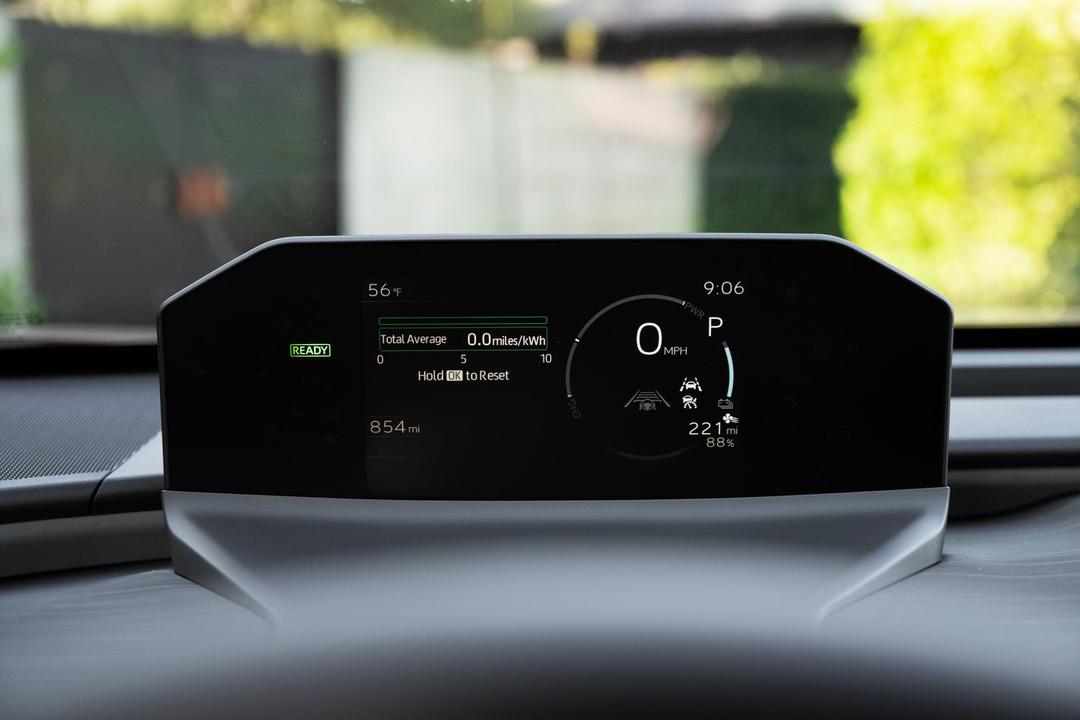
The C-HR's driver display shows battery percentage. Until the update, Toyota suggests keeping charge at or below 80%. Photo: Toyota
Why a full battery matters
Regenerative braking turns the motor into a generator that pushes energy back into the battery. When the pack is already near full, there is little room left, and cold cells accept charge less easily. The C-HR's software is supposed to cut back regen in that case. The recall update corrects the parameter that let it overcharge instead.
What It Means for US Buyers
The 2026 C-HR, which started at $37,000 before destination, went on sale in the US in early 2026, bringing the nameplate back as an EV. When Toyota filed the recall, about 2,550 affected new C-HRs were sitting in dealer inventory under a stop-sale. Federal law bars dealers from selling those until the software is updated.
If you are shopping for a leftover 2026 model, ask the dealer to show proof that campaign 26TA17 is complete. Toyota also asks dealers to fix used vehicles in stock before delivery, and a C-HR with an open recall cannot be sold as a Toyota Certified Used Vehicle. Buying from a private seller? Run the VIN yourself first.
Outside North America, Toyota has said the EV-ECU will be reprogrammed but has not shared more details for owners, Electrek reports. In Germany, the KBA is still reviewing the case.
The bottom line: About 19,000 electric C-HRs worldwide, including 8,521 in the US, need a free software update to stop the battery from overcharging during regen and cutting drive power. No US incidents have been reported. Check your VIN, book the 45-minute fix, and keep your charge at 80% until it is done.