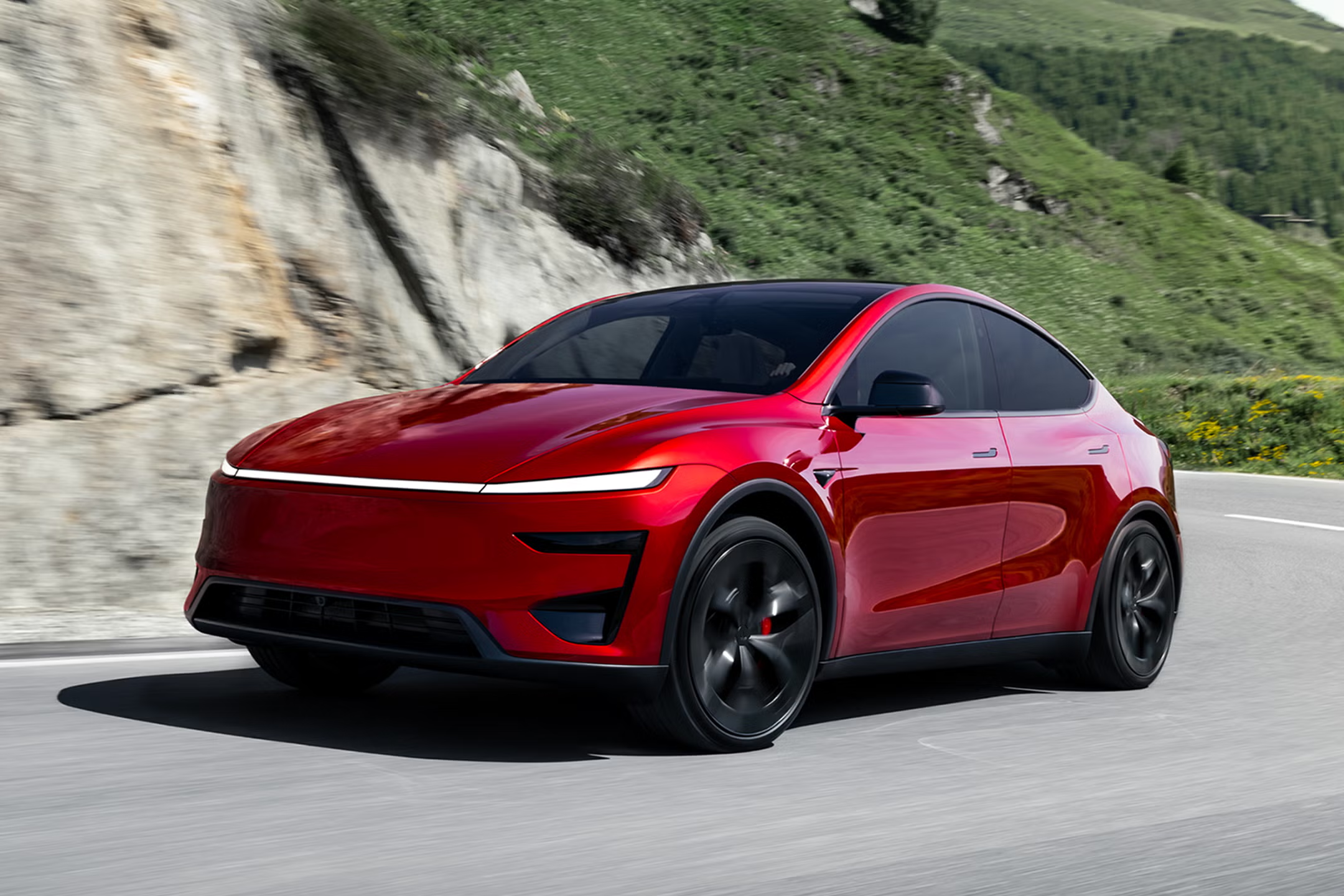
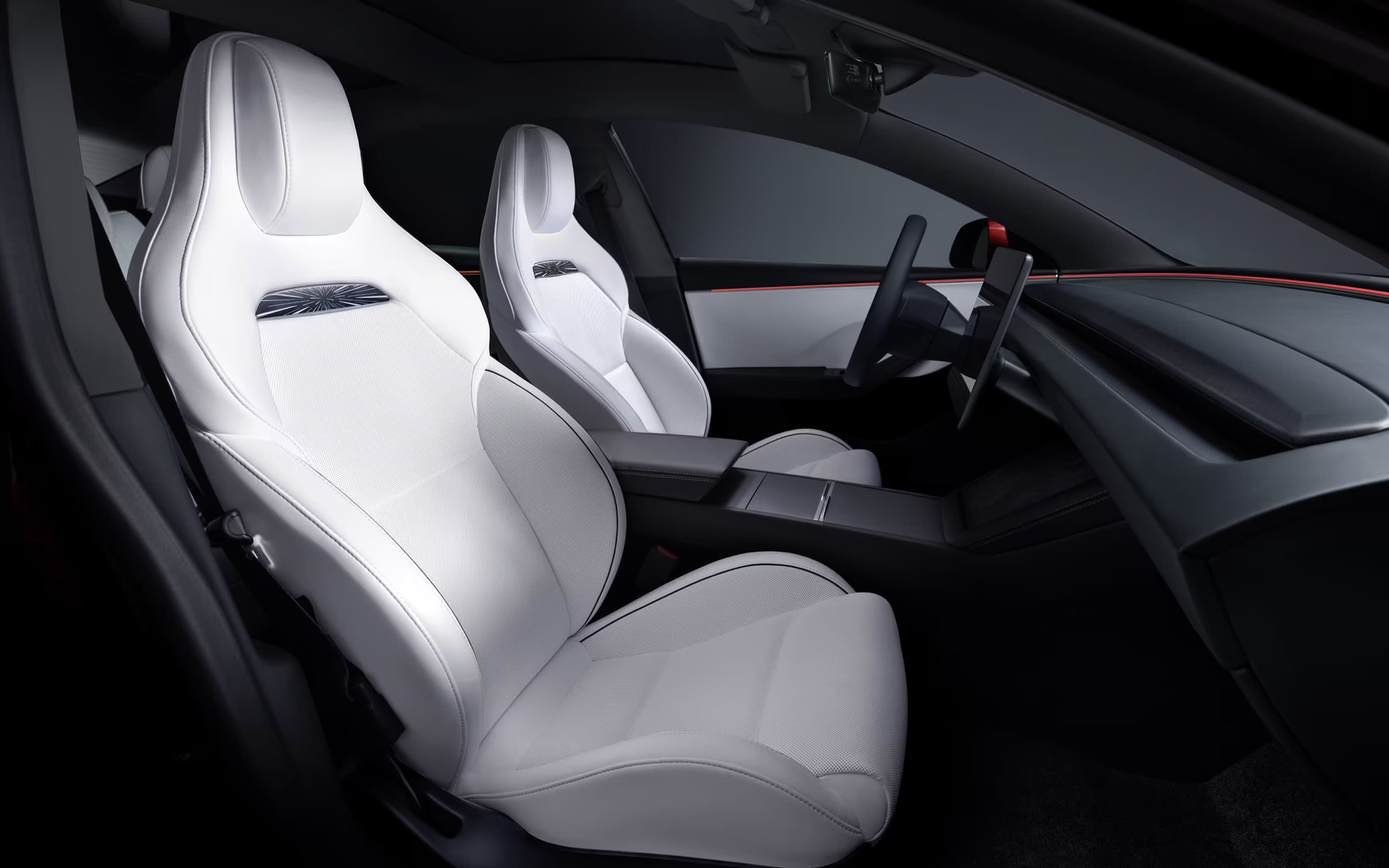
A round of headlines this week — including one from The Motley Fool — declared that "Tesla controls 59% of the U.S. EV market, its highest share since 2023." That number is accurate, but it describes Tesla's fourth-quarter 2025 performance, not where things stand right now. The most recent hard data, Cox Automotive's Q2 2026 EV Sales Report, puts Tesla's actual current U.S. EV market share at 50.5% — still a clear majority, but a meaningfully different, and declining, number.
59%
Tesla's US EV share in Q4 2025 — the figure behind this week's headlines
50.5%
Tesla's actual Q2 2026 share, per Cox Automotive
-13%
Tesla's US delivery decline, year over year, in Q2 2026
The Actual Trend Line
Tesla did reclaim a majority of the U.S. EV market for the first time since 2023, and that recovery peaked at 59% in Q4 2025. But every quarter since has come in lower: 54.2% in Q1 2026, then 50.5% in Q2 2026. Tesla still comfortably leads the market — no single competitor is close — but the trend is downward, not upward, contrary to what a headline citing only the Q4 2025 peak might suggest.
Cox Automotive's Q2 2026 numbers
- Tesla: 124,800 US EV deliveries, 50.5% market share
- Total US EV market: approximately 247,226 units, down 20% year over year
- Tesla's own deliveries fell 13% year over year, from 143,535 to 124,800
- Tesla's year-to-date 2026 share: 52.3%
- Chevrolet, the #2 EV brand: 14,908 units — less than an eighth of Tesla's total
Why Tesla's Share Is Rising Even as Sales Fall
The key detail buried under the "59%" headlines: Tesla's rising or high market share isn't primarily a story about Tesla growing. It's a story about the rest of the market shrinking faster than Tesla is. Total US EV sales fell 20% year over year in Q2 2026, driven largely by the expiration of the federal EV tax credit and legacy automakers pulling back on EV investment in favor of gas-powered models. Tesla's 13% decline looks comparatively strong only because its competitors dropped off a steeper cliff.
"The next phase of EV growth will likely be driven not only by advances in the technology itself, but by how effectively automakers translate those advances into products that meet consumer expectations for affordability, utility, performance, and ownership experience."
— Stephanie Valdez Streaty, Director of Industry Insights, Cox Automotive
| Quarter | Tesla US EV market share |
|---|
| Q4 2025 | 59% (highest since 2023) |
| Q1 2026 | 54.2% |
| Q2 2026 | 50.5% |