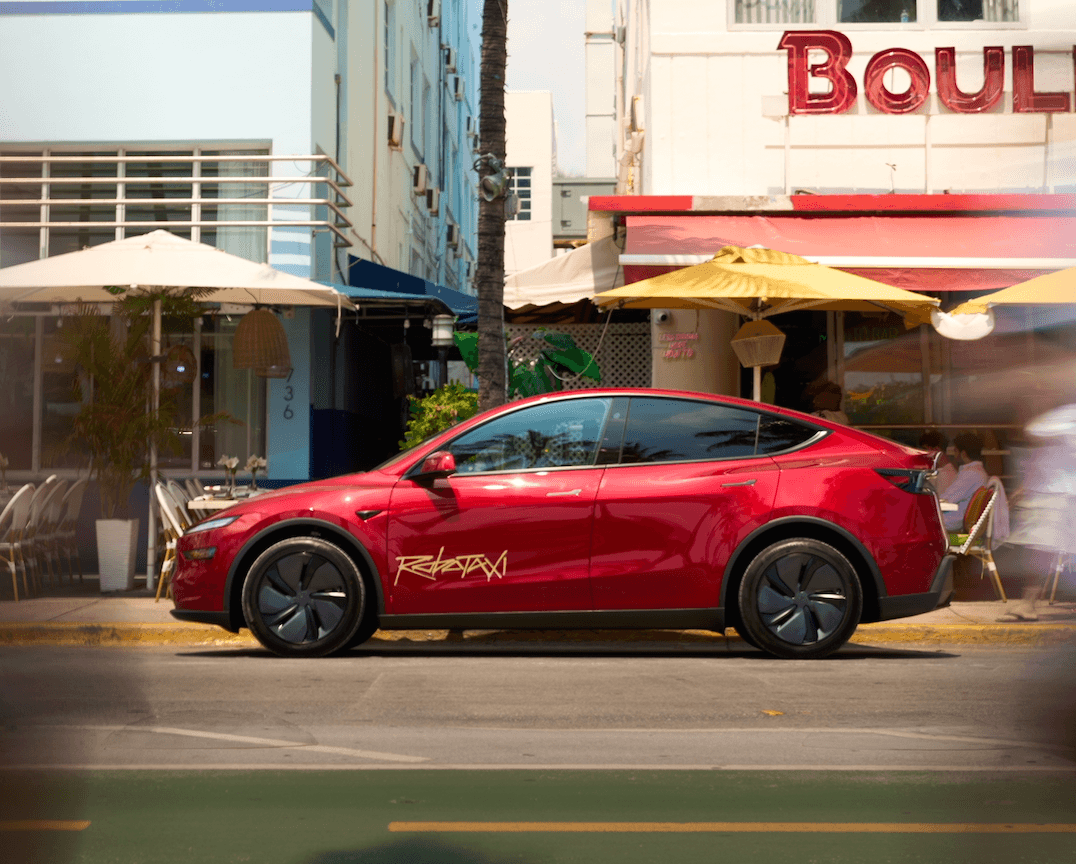
Miami woke up this morning with a new way to get around. As of July 3, 2026, Tesla's autonomous ride-hailing service is live in the city — making Miami the fourth US market to go commercial, and the first to launch in Florida.
The announcement came from @robotaxi on X this morning: "Robotaxi now available in Miami." The service area covers a meaningful chunk of the metro, centered around West Miami and stretching into neighboring corridors — visible in the map released alongside the launch.
The Robotaxi service zone for Miami at launch. Expect the coverage area to expand as the fleet grows. (via @robotaxi)
4th
US city to go live with commercial Robotaxi service
Jul 3
2026 — Miami launch date
700K+
Paid Robotaxi rides completed through Q4 2025
How We Got Here: A Timeline
The road to Miami started with years of promises and a rocky debut. Here's the condensed version:
Robotaxi Timeline
- 2016: Elon Musk first outlines the robotaxi concept in Tesla's Master Plan Part Deux — owners would earn income by adding their cars to a shared autonomous fleet.
- April 2019: At "Autonomy Day," Musk predicts one million robotaxis on the road by 2020. (That didn't happen.)
- Early 2024: Internal testing begins with Tesla employees in the San Francisco Bay Area using supervised Model 3 and Model Y vehicles.
- August 2024: Tesla unveils the Cybercab — a purpose-built two-seater with no steering wheel or pedals — at the "We, Robot" event.
- June 22, 2025: Commercial launch in Austin, TX. Ten Model Y vehicles, safety monitors in the passenger seat, limited to Downtown Austin. Early rides priced at $4.20.
- January 2026: Unsupervised (no safety monitor) rides begin in Austin. At Q4 2025 earnings, Tesla announces expansion to 7 cities in H1 2026.
- April 18, 2026: Dallas and Houston go live with fully unsupervised service — 573 vehicles, Tesla stock surges ~12%.
- July 3, 2026: Miami launches. Florida is on the map.
Where Robotaxi Is Live Right Now
| City |
State |
Status |
Launch Date |
| Austin |
Texas |
Live |
June 22, 2025 |
| Dallas |
Texas |
Live |
April 18, 2026 |
| Houston |
Texas |
Live |
April 18, 2026 |
| Miami |
Florida |
Live |
July 3, 2026 |
| San Francisco Bay Area |
California |
Supervised Pilot |
July 2025 |
What's Coming Next
Tesla announced five additional cities at its Q4 2025 earnings call in January 2026, all originally targeted for the first half of 2026. Miami's launch — which slipped to July — suggests the remaining markets are still on the way, just on a slightly longer runway.
Expansion Cities — Announced, Dates Pending
- Phoenix, AZ — The second Sun Belt market. Hot, flat, grid-based streets make it an ideal robotaxi environment.
- Orlando, FL — Tourism-heavy city with high demand for point-to-point rides. Floridian demand will be validated by how Miami performs.
- Tampa, FL — Third Florida city in the pipeline. Completes a triangle of coverage across South and Central Florida.
- Las Vegas, NV — High foot traffic, heavy tourism, and a population that leans toward ride-hailing. One of the more obvious robotaxi markets.
The Car: Model Y, Not the Cybercab (Yet)
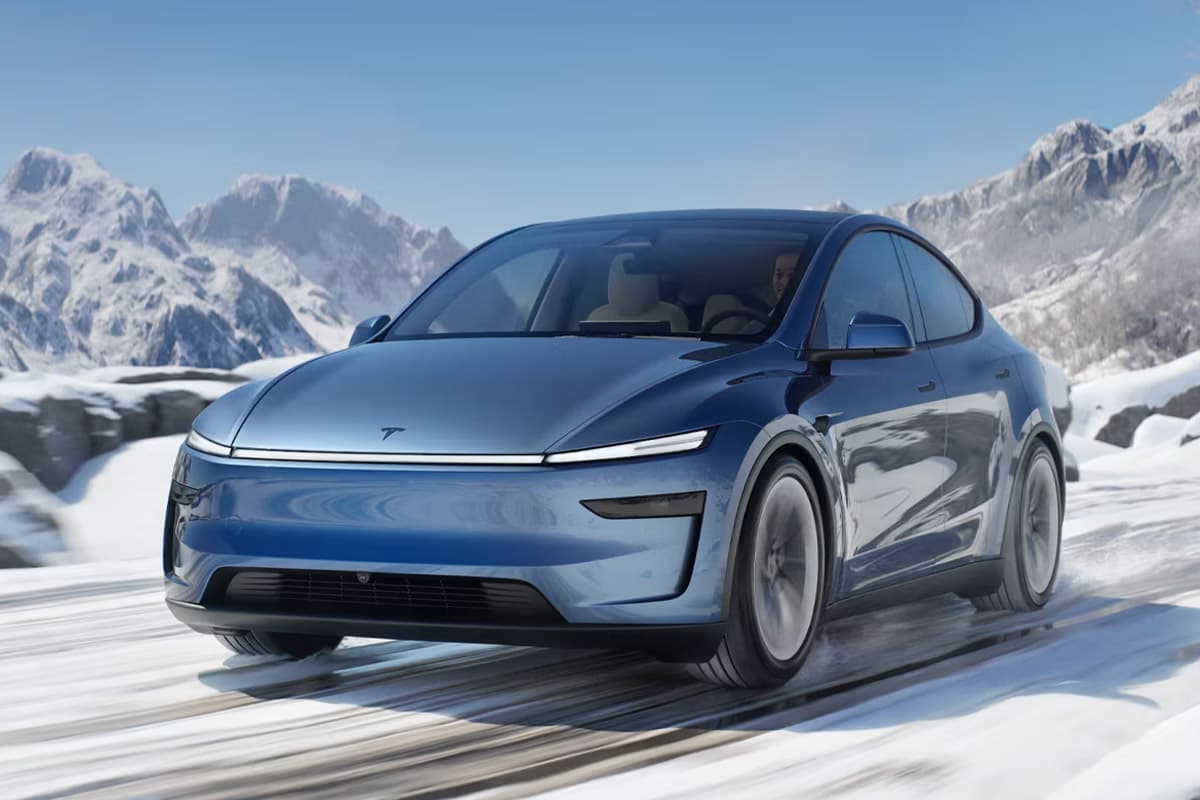
Every Robotaxi you'll ride in right now is a Tesla Model Y — not the futuristic Cybercab that Tesla unveiled in 2024. The Cybercab (a sleek two-seater with no steering wheel or pedals) was supposed to enter volume production in April 2026, but the current commercial fleet is entirely Model Y.
That's not a knock on the vehicle. The Model Y is a capable, comfortable SUV, and using an existing production car means Tesla can scale the fleet quickly without waiting on a separate manufacturing ramp. Cybercab vehicles are expected to join the network once production is established.
The cars navigate using eight external cameras paired with Tesla's FSD AI — no lidar, no radar. That's a fundamentally different technical approach than Waymo, which uses lidar-based sensor arrays. Tesla's bet is that cameras plus compute can eventually outscale any hardware-heavy alternative.
How It Stacks Up Against Waymo
"Tesla Robotaxi is newer, cheaper to scale, and expanding fast. Waymo has a multi-year head start and a much larger daily ride volume. Both can win."
Waymo is the established benchmark. It was delivering roughly 250,000 weekly rides before Tesla's service even launched, operates in Phoenix, San Francisco, Los Angeles, and Austin, and uses a more hardware-intensive lidar/radar/camera stack that costs significantly more per vehicle.
Tesla's advantage is scale potential: Model Ys are already being produced by the hundreds of thousands. If the software continues to mature, Tesla can flood cities with robotaxis faster than any competitor can manufacture purpose-built vehicles. By Q4 2025, Tesla had logged nearly 700,000 paid rides across Austin and the Bay Area combined — still well behind Waymo, but the trajectory is notable for a service less than a year old.
How to Get a Ride
Rides are booked through the Tesla app. You don't need to own a Tesla. Open the app, request a Robotaxi like you'd request a regular rideshare, and a driverless Model Y will come to you — assuming you're inside the active service zone.
Pricing hasn't been officially stated for Miami, but Austin's launch pricing was $4.20 per ride as a nod to Tesla's culture. Expect pricing to evolve as the service scales and more competitive pressure builds.
Bottom Line
Miami is a big deal. It's the first market outside Texas, the first Florida launch, and a signal that Tesla's expansion is real and accelerating. Phoenix, Orlando, Tampa, and Las Vegas are next in line. If those four launch on the same kind of cadence, Robotaxi will be in eight cities before the end of the year — and the competition with Waymo gets very interesting very fast.