AI Boom Is Driving Up Car Memory Chip Costs, Rivian CEO Says, as Rivian Fights to Keep the R2 at $45,000
Rivian CEO RJ Scaringe says AI data centers are making memory chips and other car parts harder to get. Here's why AI competes with EVs for DRAM and what it means for the $44,990 R2 and US EV prices.
Photo: Rivian
The AI boom is now reaching the car factory. Rivian CEO RJ Scaringe says memory chips, which carmakers used to buy as cheap commodities, have become one of the hardest parts of his supply chain to plan for. The reason: the companies that make them are shifting output to AI data centers, which pay far more.
Scaringe made the comments in a video interview with venture firm Kleiner Perkins, published November 9 and reported by InsideEVs on November 11. They matter because Rivian is in the middle of ramping up the R2, the SUV it has promised will start at about $45,000. Here is why AI servers and cars are fighting over the same chips, which parts of a car need them, and what it could mean for EV prices and wait times in the US.
$44,990
R2 Standard price Rivian is trying to protect (due 2027)
up to 98%
DRAM contract price jump in Q1 2026 (TrendForce)
~10%
Auto industry share of global DRAM use (AlixPartners)
32%
AI share of DRAM use, heading to 48% by 2028
What Did RJ Scaringe Say About Memory Chips?
Scaringe said memory went from an afterthought to a full-time job inside Rivian in just a few years. "Three years ago, we were not spending a lot of time thinking about memory. It was a commodity," he said. "And now an enormous amount of time goes into planning for memory, optimizing it at the board level, how we're using it, and then really thinking strategically about how we source it."
Vidya Rajagopalan, Rivian's senior vice president of electrical hardware, said the problem goes beyond memory. The data center build-out is also eating into e-glass, the glass-fiber material used in printed circuit boards, and tiny multilayer ceramic capacitors (MLCCs) found on nearly every circuit board in a car.
"With the data center boom, a lot of the e-glass for [printed circuit boards] is really hard to find," she said. "MLCC capacitors, you never thought about them. You're thinking about them now, right?" She called supply shortages "a bane of our existence," adding that "you could have a component shortage in one space that totally throws you off."
Why AI Data Centers Compete With Cars for Memory
Nearly 90% of the world's DRAM comes from three companies: Samsung, SK Hynix and Micron. AI servers need huge amounts of a premium type called high-bandwidth memory (HBM), which sits next to the AI processors in data centers. HBM earns chipmakers much higher margins than the memory that goes into cars, so they have been moving factory capacity toward it.
That leaves less capacity for the standard DRAM and NAND flash storage that cars, phones and laptops use. Cars are hit especially hard because many use older memory generations, such as LPDDR4, that chipmakers are winding down. S&P Global Mobility says automotive LPDDR4 prices were up about 70% year over year by January 2026, and it expects more increases in 2026 and 2027.
Carmakers also have little leverage. According to AlixPartners figures cited by Carscoops, the auto industry uses only about 10% of the world's DRAM, while AI already takes 32%, a share AlixPartners expects to reach 48% by 2028. When supply is tight, the biggest and best-paying customers get served first.
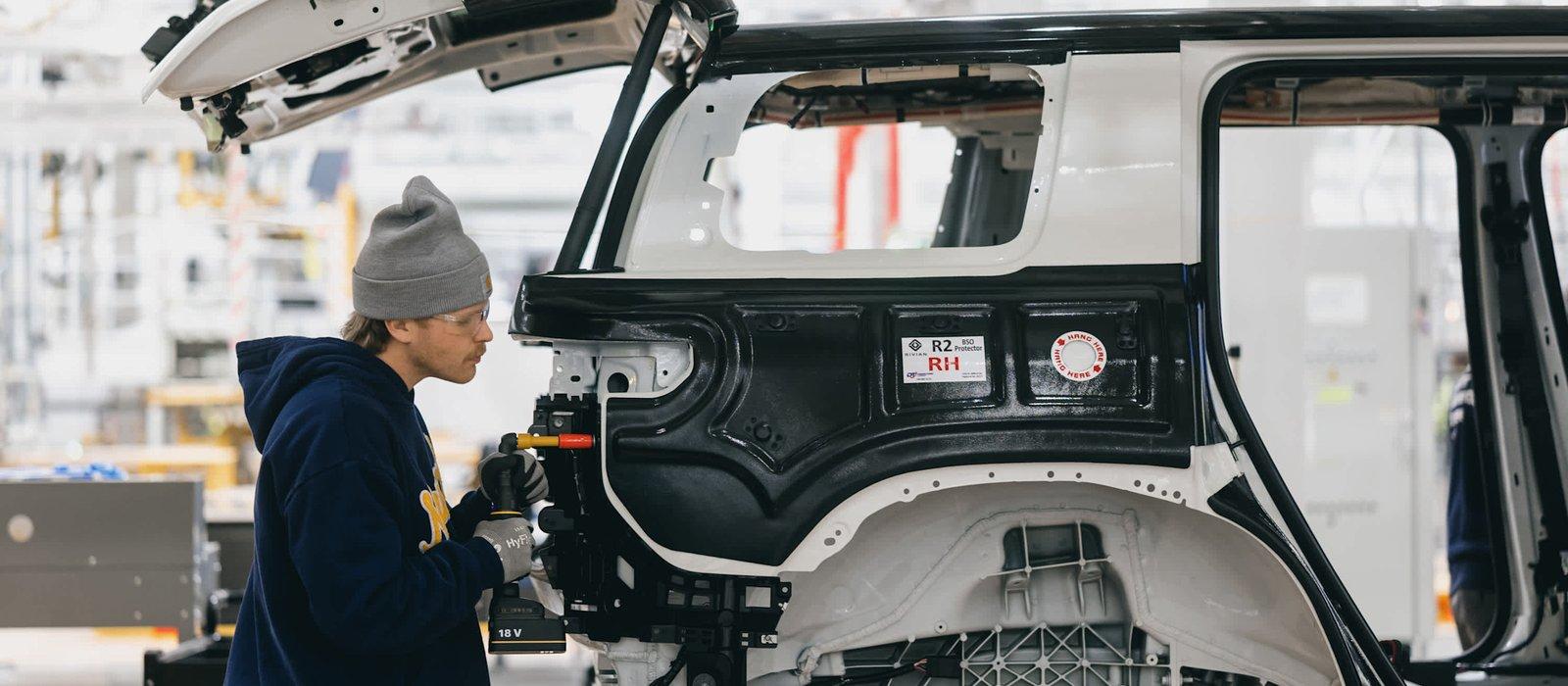
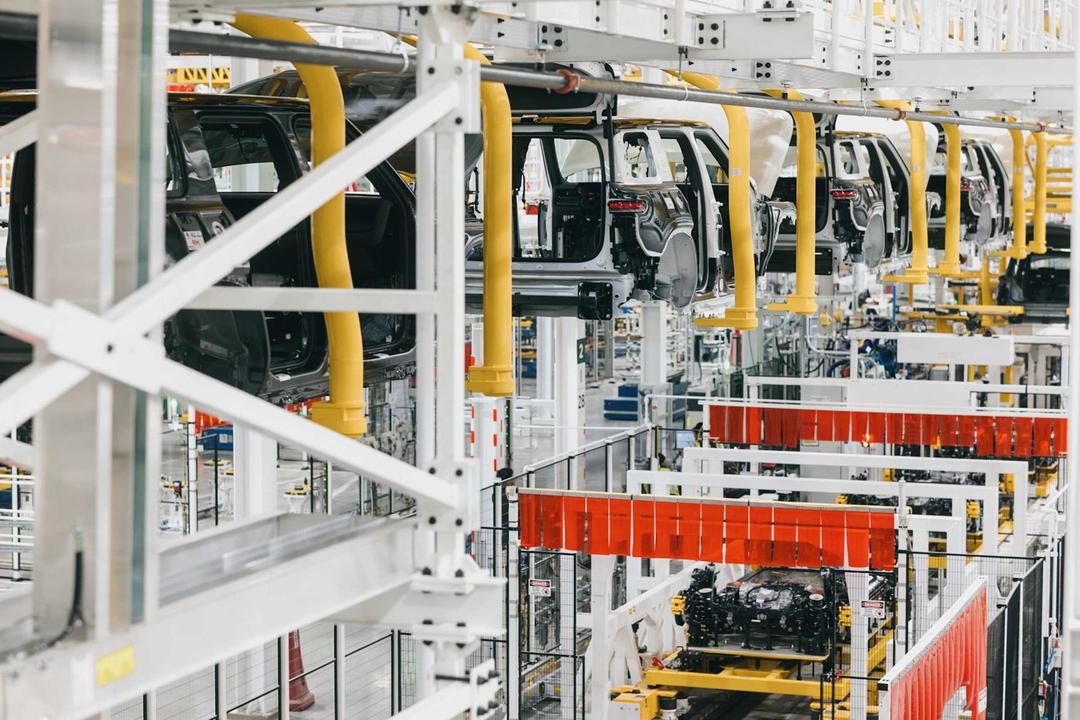
R2 bodies on the line in Normal, Illinois. Rivian says it "can only ramp as fast as our slowest ramping supplier." Photo: Rivian
Advertisement
Which Car Systems Use Memory Chips?
A modern EV is a computer on wheels, and almost every computer in it needs memory. The biggest users are:
Infotainment and screens: large touchscreens, digital gauge clusters, maps and graphics.
Driver-assistance systems: cameras and radar that power features like adaptive cruise control and lane keeping.
Hands-free and autonomous driving computers: the most memory-hungry hardware in the car.
Voice and AI assistants: newer generative AI assistants need more memory to run.
Storage for software: NAND flash holds the software and over-the-air updates.
That is a big part of why EVs are exposed. AlixPartners estimates an EV carries more than $1,500 in semiconductors today, compared with about $500 to $600 for a gas car. Research firm Omdia told Consumer Reports that memory alone now costs $100 to $300 per vehicle, up from $50 to $100 five years ago.
Rivian leans on this hardware more than most. The R2 has an in-car AI assistant, and Rivian's in-house RAP1 autonomy processor and a new lidar sensor are set to reach R2 buyers next year, according to InsideEVs.
Advertisement
What Rivian Said on Its Q3 Earnings Call
The issue first came up on Rivian's October 29 earnings call. Then-CFO Claire McDonough said the company was working to "manage supply chain risks and increasing commodity and memory costs." Derek Mulvey, Rivian's vice president of finance, who became interim CFO after McDonough left on October 30, said "rising costs of core components" have hurt profitability and will likely keep doing so.
Asked by a UBS analyst about inflation in "memory, PCB, other electronics, steel, copper," Scaringe acknowledged that "some of the commodity pricing" was "a lot higher than what we expected." He said Rivian is still aiming for an R2 lineup that starts at $45,000 and tops out at about $57,000.
To get there, he described what he called a "full court press": running the Normal plant more efficiently, changing logistics and packaging, and "working really closely with our supplier partners on identifying further cost optimizations," such as combining or redesigning parts without hurting how the vehicle performs.
R2 trim
Starting price
Drive
Est. range
Availability
R2 Performance
$57,990
Dual-motor AWD
330 mi
Available now
R2 Premium
$53,990
Dual-motor AWD
330 mi
Late 2026
R2 Standard
$44,990
Single-motor RWD
275 mi
2027
Source: Rivian.com. Range figures are Rivian's preliminary estimates, not official EPA ratings.
Rivian is not alone
GM signed a long-term memory supply deal with Micron on July 1, and Ford signed its own on July 6. GM's CFO has said material costs will rise by $1.5 billion to $2 billion this year. Li Auto warned of "significant supply tightness and price volatility in memory components, such as DRAM and NAND flash." Outside cars, Apple raised MacBook and iPad starting prices by $200, citing memory costs.
What It Means for US EV Prices and Wait Times
For now, Rivian has not raised R2 prices. But the trim buyers are most excited about, the $44,990 Standard, is also the one with the thinnest margin and the furthest away. It is not due until 2027, and Rivian has not given a firmer date. That leaves time for memory costs to rise further before the cheapest R2 is built. Gartner, cited by Consumer Reports, sees no real relief in memory prices until late 2027.
The wider market faces the same math. Consumer Reports estimates that rising electronics and chip costs could add $2,000 to $3,000 to the cost of building a vehicle before tariffs. Cheaper models have the least room to absorb that, and federal EV tax credits are gone, so buyers pay the full sticker price.
So far, the shortage is showing up as higher costs, not empty lots. But Scaringe warned on the call that Rivian "can only ramp as fast as our slowest ramping supplier." If memory or circuit-board suppliers fall behind, the R2 ramp could slow and wait times could stretch. Rivian, which delivered a record 19,248 vehicles in the third quarter, expects 67,000 to 70,000 deliveries in 2026, and that goal depends on the R2 ramp.
Shopping for an R2?
Only the $57,990 Performance is on sale today. If you are holding out for the $44,990 Standard, know that Rivian has called its prices "subject to change" and its CEO says cost pressure is real. Until that trim's production date and final price are confirmed, plan your budget with some cushion.
"Three years ago, we were not spending a lot of time thinking about memory. It was a commodity." — RJ Scaringe, Rivian founder and CEO
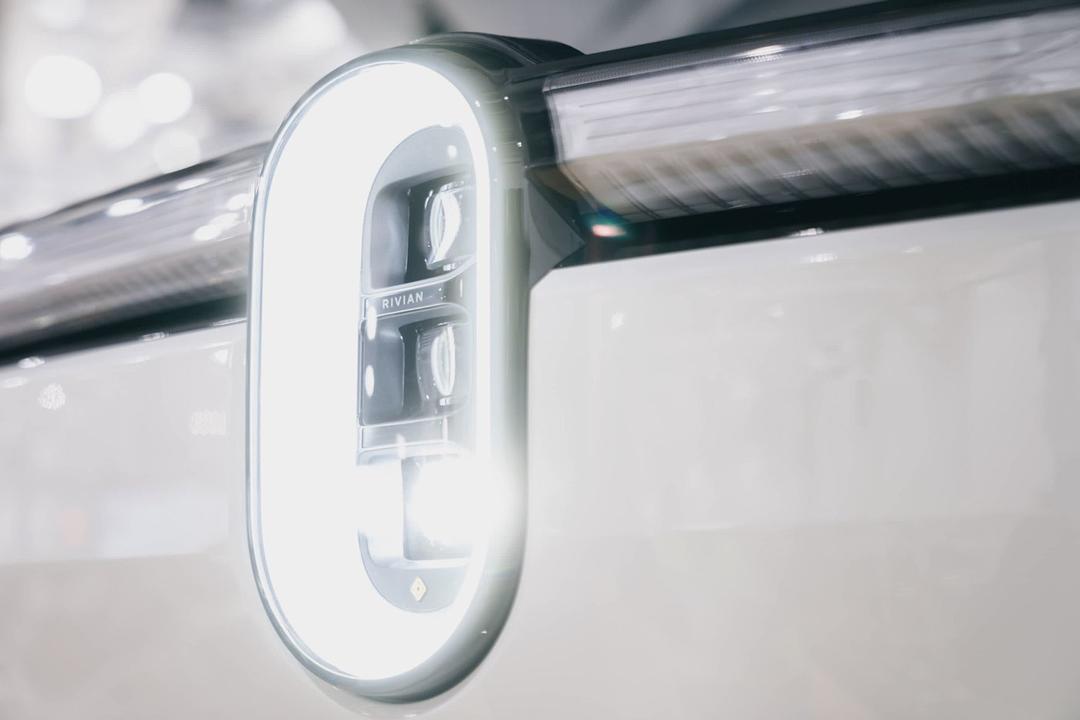
The Rivian R2. Rivian says it still targets a $45,000 starting price despite higher memory costs. Photo: Rivian
The bottom line: AI data centers are outbidding carmakers for the memory chips inside every modern EV, and Rivian says it is feeling it. The company is fighting to hold the R2 at $45,000 by cutting costs elsewhere, and it has not raised prices. But the cheapest R2 is still a year away, and chip prices are still climbing. Buyers waiting for the base model should watch Rivian's next updates closely.