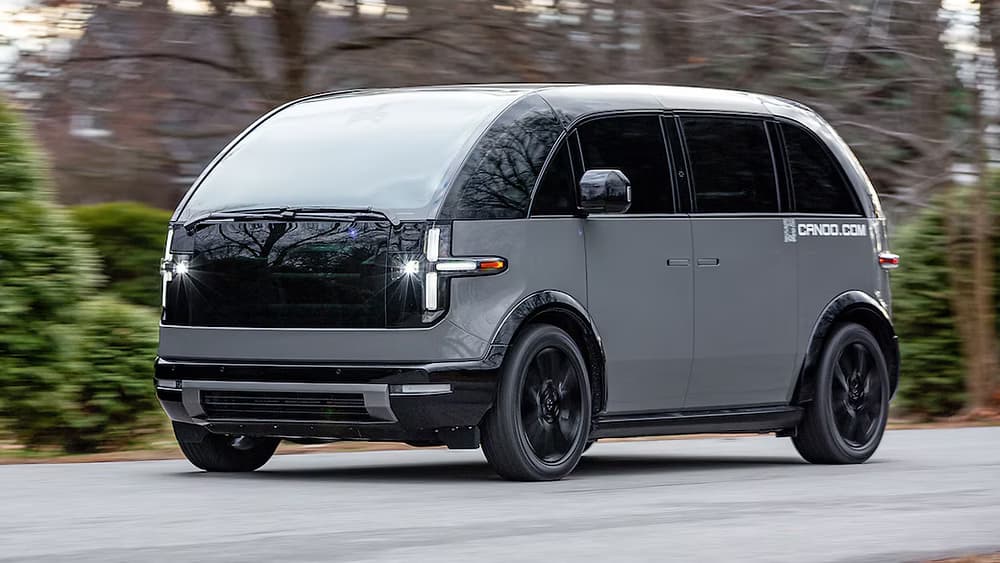
Unlike traditional automakers, Canoo’s initial model wasn’t for sale. The company aimed to disrupt the ownership model altogether, offering vehicles on a subscription basis. It was a fresh, idealistic approach to mobility.
Momentum built quickly. In 2020, Canoo merged with Hennessy Capital Acquisition Corp IV and went public through a SPAC deal. The valuation? $2.4 billion. The EV space buzzed with excitement. Canoo appeared to be a serious contender.
Promising Partnerships and High Hopes
In 2022, the headlines were glowing. Canoo secured a deal with Walmart for 4,500 electric delivery vans, with the option for 10,000 more. NASA tapped the company to supply crew transport vehicles for its Artemis lunar missions. These weren't just marketing wins—they were real contracts, with big names.
The company also announced plans to manufacture vehicles in Oklahoma and Arkansas, signaling growth and serious investment in domestic production. Industry watchers were optimistic. Canoo, despite its nontraditional platform and funky designs, was gaining traction.
Trouble Beneath the Surface
But cracks began to show. Production delays mounted. Executive shakeups raised red flags. In 2023, Canoo delivered just 22 vehicles—far below expectations—and reported a staggering $303 million in losses.
Behind the scenes, lawsuits emerged. The company filed claims against former executives for allegedly stealing trade secrets. Confidence eroded. Cash burned quickly. The ambitious startup, once valued in the billions, was running on fumes.
By late 2024, the Oklahoma plant had been idled. Employees were furloughed. Financial filings showed less than $50,000 in assets against more than $164 million in liabilities. The dream was unraveling.
The Collapse
On January 17, 2025, Canoo filed for Chapter 7 bankruptcy—signaling not a restructuring, but a full liquidation. CEO Tony Aquila issued a short statement: “We are truly disappointed that things turned out as they did.”
The company shut down operations immediately.
Adding fuel to the controversy, it was revealed that Aquila intended to purchase $70 million worth of Canoo’s assets—including equipment and intellectual property—for just $4 million. Critics questioned the legality and ethics of the deal. Investors were left blindsided. Employees were left in limbo.
A Cautionary Tale
Canoo’s rise and fall is more than a story of missed deadlines and unfulfilled hype—it’s a lesson in what happens when vision outpaces execution. From its bold design philosophy and disruptive business model to government contracts and production failures, Canoo encapsulated the volatility of the EV startup era.
It had the right timing, the right market, the right ambitions. But not the right foundation.
As EV startups continue to enter the ring, Canoo’s story will remain a defining chapter in the electric vehicle industry’s growing pains.