July 23, 2026·6 min read·By Learn My EV

Aurora Launches Second-Generation Driverless Trucks, With a Customer Already Ordering 500 of Them

Aurora Innovation has launched its second-generation driverless semi trucks, built on the International LT Series with hardware rated for a million miles. The Aurora Driver has now logged nearly 440,000 fully driverless miles, and the company is targeting 200 trucks on the road by the end of 2026 — with a manufacturing partner aiming for a 1,000-truck annual production rate.

Aurora Launches Second-Generation Driverless Trucks, With a Customer Already Ordering 500 of Them

Aurora Innovation, the self-driving trucking company, announced on July 22, 2026 that it has launched its second-generation driverless trucks — a hardware upgrade the company says is essential to moving from a small proof-of-concept fleet into real commercial scale. The new trucks will roll out across Aurora's existing commercial network of 10 driverless routes throughout the U.S. Sun Belt, and the launch comes with a notable vote of confidence already attached: a customer has committed to purchasing 500 Aurora Driver-powered trucks.
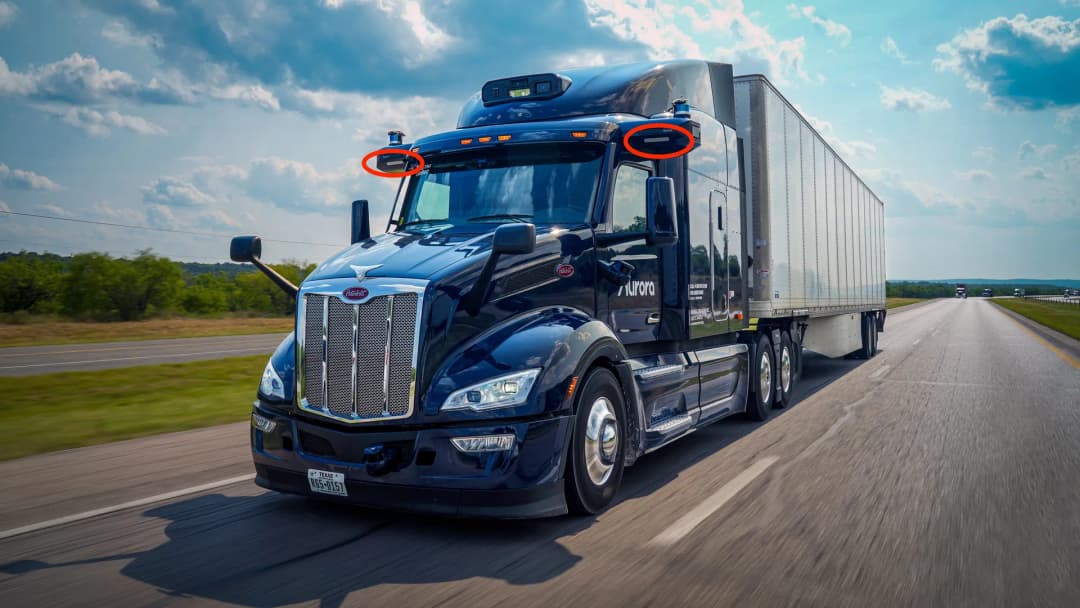
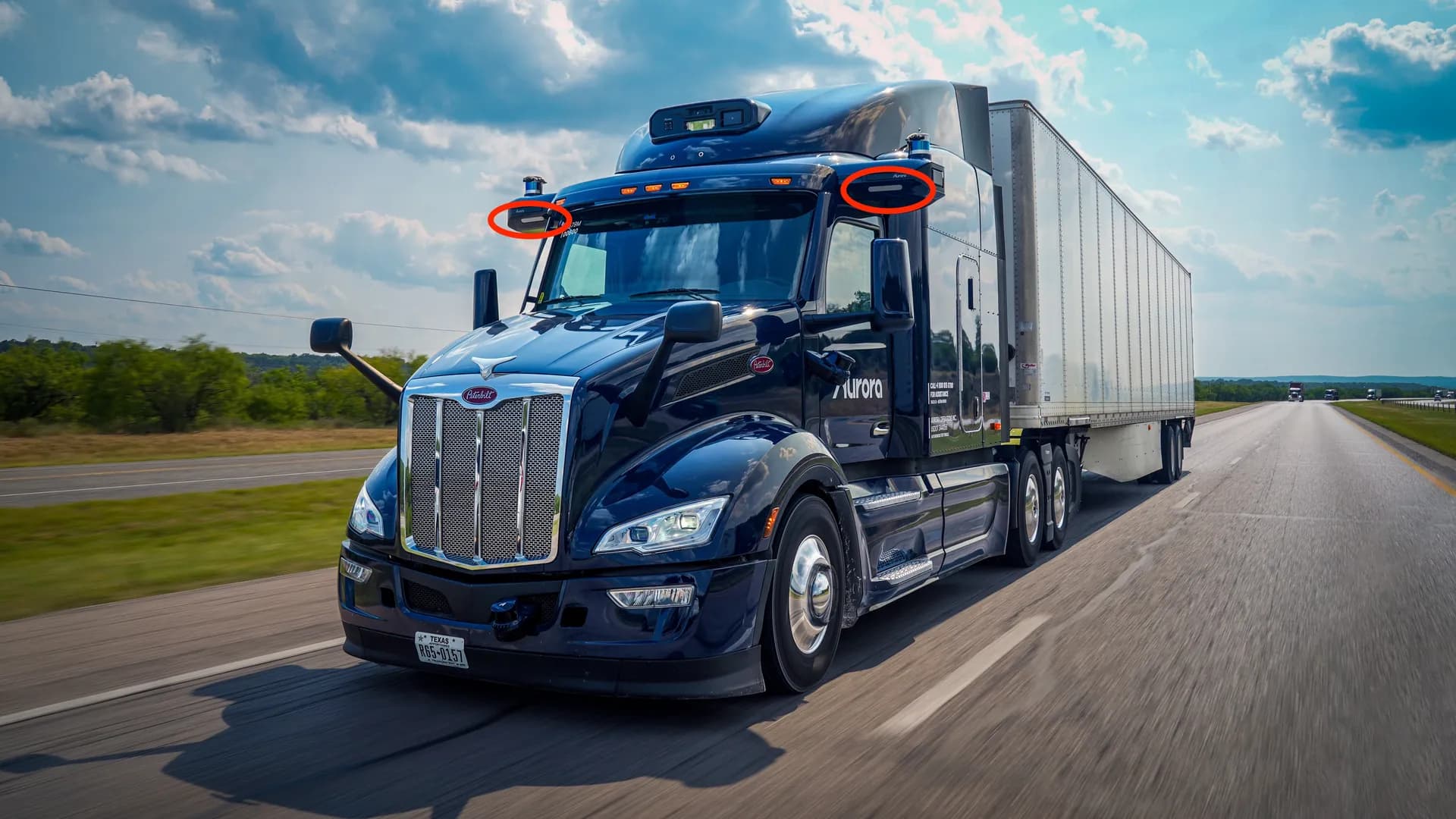
Aurora Innovation second-generation driverless semi truck on a highway
Aurora's second-generation driverless truck, built on the International LT Series platform. (Source: Aurora Innovation)
440K
Fully driverless miles completed as of end of June
1M mi
Rated lifespan of the new Aurora Driver 2 hardware
500
Trucks one customer has committed to purchase

What's Actually New in This Hardware

The new fleet is built on the International LT Series truck and runs Aurora's next-generation hardware, which the company says is both more powerful and built to last a full one million miles — a meaningful jump for a piece of equipment that needs to survive constant highway duty cycles without the kind of downtime a passenger vehicle might tolerate. Before launching, Aurora closed what it calls its "Safety Case" for the new truck and hardware combination — the internal framework the company uses as its bar for operating on public roads without anyone in the driver's seat.

"Last year's driverless launch proved our technology could operate safely on public roads — our new platform now provides the foundation to deliver at scale."

— Chris Urmson, CEO and co-founder, Aurora Innovation

Manufacturing is being handled by Roush, a longtime automotive product-development supplier, which is installing redundant systems and integrating Aurora's hardware into the trucks at a facility dedicated specifically to Aurora. The two companies have formalized an upfit process that Aurora says positions Roush to reach an annual production run-rate of 1,000 trucks later this year — a scale that would be a dramatic jump from where the program has operated so far.

From a Handful of Trucks to a Real Fleet

Context matters here: earlier this year, Aurora was running just five autonomous trucks hauling cargo without safety monitors between Dallas, Houston, Fort Worth, and El Paso, Texas. The company hasn't published a precise current fleet count alongside this launch, but it has set a public target of roughly 200 driverless trucks on the road by the end of 2026 — meaning most of the scale-up is still ahead rather than behind it, even with production ramping.

MilestoneFigure
Driverless miles completed (as of end of June 2026)~440,000
Active driverless routes10, across the U.S. Sun Belt
Longest validated driverless route~1,000 miles, Phoenix to Fort Worth (~15 hours)
Customer commitment (single carrier)500 trucks
Fleet target, end of 2026~200 trucks
Roush production target (annualized, by year-end)1,000 trucks/year

The 1,000-mile Phoenix-to-Fort Worth route is worth pausing on: a human driver is legally capped at 11 hours of driving time under federal hours-of-service rules, meaning that specific route already isn't legally completable non-stop by a solo human driver. Aurora's trucks running it in roughly 15 hours without a mandatory rest break is a genuine structural advantage over human-driven freight on that lane specifically, independent of any debate about autonomous safety more broadly.

Aurora's named industry partners
  • Carriers and shippers: FedEx, Hirschbach, McLane, Ryder, Schneider, Uber Freight, Werner
  • OEM and technology partners: AUMOVIO, NVIDIA, PACCAR, Toyota, Volvo Trucks, Volvo Autonomous Solutions
  • Manufacturing upfit partner: Roush

Why This Launch Matters More Than It Might Look

Autonomous trucking has had a habit of announcing bigger numbers than it delivers, and Aurora's own history includes plenty of incremental steps — first a small supervised pilot, then a handful of trucks running fully driverless on a couple of Texas routes, then route expansion, and now a hardware generation change explicitly framed around manufacturing scale. What separates this announcement from a typical incremental update is that it's paired with an actual customer order (500 trucks) and a named manufacturing partner with a specific production target (1,000 trucks a year), rather than just a mileage milestone or a new route map.

Still worth watching
  • Aurora hasn't disclosed exactly how many second-generation trucks are on the road today, only a year-end target
  • Hitting a 1,000-truck annual production rate is a manufacturing target for Roush, not a confirmed count of trucks already delivered
  • The 500-truck customer commitment is a purchase plan, not necessarily a fully executed, binding delivery schedule for all 500 units immediately

The bottom line: Aurora has moved from proving driverless trucks can run safely on a couple of Texas routes to building the manufacturing pipeline needed to put hundreds of them on the road. Nearly 440,000 driverless miles and a 500-truck customer commitment are real, verifiable signs of momentum — but the jump from roughly five trucks earlier this year to a 200-truck fleet by year-end is still a steep climb, and how closely Aurora and Roush hit that production target over the next two quarters will say more about the state of commercial autonomous trucking than this launch announcement alone.