August 23, 2026·5 min read·By Learn My EV

A Dealer Says Polestar's US Exit Wasn't the Government's Fault — It's Suing Over It

Polestar blamed a federal Connected Vehicle Rule for its US withdrawal. Now a New Jersey dealer is suing for $25 million, alleging Polestar had been planning to leave for two years and used the rule as cover — pointing to sister company Volvo, which secured an exemption Polestar never even applied for.

A Dealer Says Polestar's US Exit Wasn't the Government's Fault — It's Suing Over It

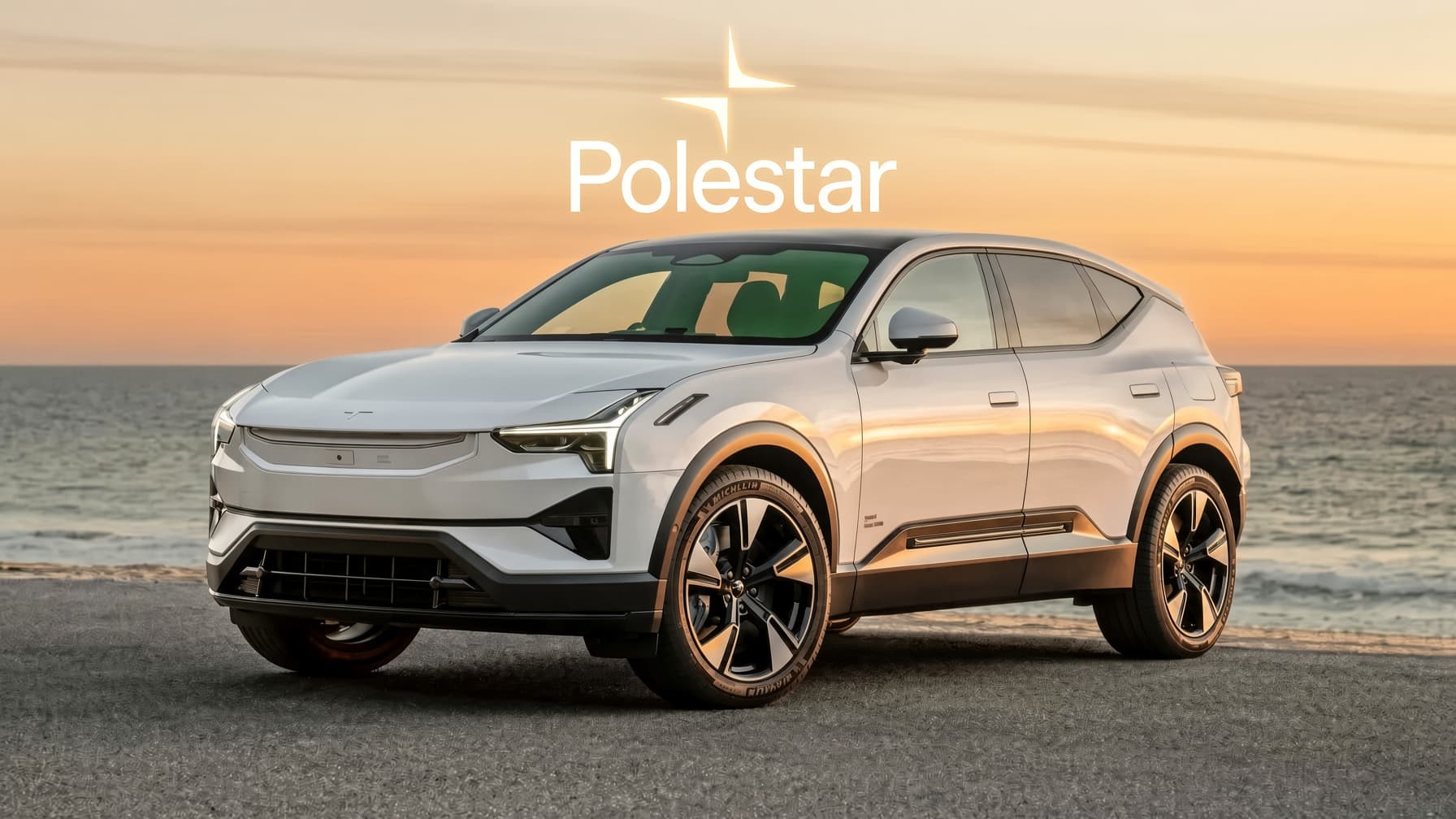
Polestar's exit from the US market is turning into a legal fight over why it actually happened. Prestige Imports, a New Jersey dealership that operates two Polestar outlets in East Hanover, has filed a $25 million lawsuit in state court alleging that Polestar had been quietly planning to leave the US for roughly two years — and used a federal rule restricting connected vehicles as convenient cover, rather than as the actual cause.

$25M
Damages sought in Prestige Imports' lawsuit
~2
Years the dealer alleges Polestar was planning its exit
0
Times Polestar appealed the Commerce Department's ruling

What Polestar Says Happened

Polestar has said its hand was forced by the federal Connected Vehicle Rule, which bars the sale of new vehicles containing software connected to certain countries, including China and Russia. Starting with the 2027 model year, that rule will prevent Polestar from selling new vehicles in the US, though existing inventory can still be sold. The Department of Commerce declined to renew Polestar's authorization to continue selling connected vehicles in the country.

What the Lawsuit Alleges

Prestige Imports argues that story doesn't hold up under comparison to Polestar's own corporate sibling. Volvo, which like Polestar is majority-owned by China's Geely, secured an exemption to keep selling connected vehicles in the US by meeting a demanding set of federal requirements. The lawsuit alleges Polestar had the same opportunity and simply chose not to pursue it.

Key allegations in the lawsuit
  • Polestar violated New Jersey's Franchise Practices Act by failing to give the required 60-day termination notice
  • Polestar allegedly did not provide "good cause" for ending the dealer relationship, as the law requires
  • Polestar allegedly continued pushing dealers to invest and expand — including approving a multiyear Bergen County project as recently as February 2026 — while reportedly already planning to leave
  • Polestar never appealed the Commerce Department's decision not to renew its authorization

Advertisement

The Volvo Comparison

The strongest piece of circumstantial evidence in the lawsuit is Volvo's outcome. Republican Senator Bernie Moreno of Ohio, who has been vocal about the case, put it bluntly.

"Polestar screwed Polestar, it wasn't screwed by the U.S. government. [There was] a very exhaustive and tough list that Volvo had to follow. Volvo chose to follow it. Polestar used it as a convenient excuse."

— Sen. Bernie Moreno (R-Ohio)

Sweden's Minister for Foreign Trade, Benjamin Dousa, added that his government worked directly with Volvo's leadership to help it clear the Commerce Department's requirements — traveling to Washington with Volvo's CEO — but that Polestar never requested similar assistance. Moreno has also claimed Polestar was losing as much as $35,000 per vehicle sold in the US, a figure that hasn't been independently confirmed, which would give the company a clear financial incentive to exit regardless of the regulatory outcome.

What's still unresolved
  • This is a civil lawsuit with allegations, not proven facts — Polestar hasn't publicly responded in detail to the specific claims
  • The $35,000-per-vehicle loss figure comes from a senator's public comments, not a disclosed company filing
  • Whether the Franchise Practices Act claims succeed depends on New Jersey court proceedings that haven't concluded
  • Roughly 80% of Polestar's global sales already come from Europe, meaning the US exit may reflect a broader strategic shift regardless of how the legal questions resolve
Advertisement

What It Means for Owners and Dealers

For current Polestar owners in the US, existing vehicles can still be sold and presumably serviced, but the brand's new-vehicle future in the country is effectively over starting with the 2027 model year. For dealers like Prestige Imports, the stakes are more direct: franchise agreements typically involve significant capital investment in facilities and inventory, and a franchise termination without proper notice or cause can leave a dealer holding costs it expected to recoup over years of operation.

The bottom line: Polestar's official explanation — that federal regulation forced an unwanted exit — is now being directly challenged in court, with Volvo's contrasting outcome as the central piece of evidence. Neither side's full case has been tested yet, but the timeline the lawsuit lays out, combined with Polestar's decision not to appeal or seek the kind of help Volvo got, raises real questions about whether the Connected Vehicle Rule was the actual reason Polestar left, or simply the most convenient one.